Does Zero Water Remove Fluoride

So, my friend Karen—you know, the one who reads every ingredient label like it’s a spy novel—calls me last week in a panic. She just bought a Zero Water pitcher, bold claims o...
So, my friend Karen—you know, the one who reads every ingredient label like it’s a spy novel—calls me last week in a panic. She just bought a Zero Water pitcher, bold claims on the box about “removing virtually everything.” Then she whispers, “Does it get the fluoride out? Or am I drinking tap water with fancy marketing?”
I laughed, but honestly, her question is the exact reason we’re here today. Because let’s be real: you didn’t buy that big blue pitcher just for fun. You want to know if your water is actually pure, not just a little less cloudy.
The short answer? Yes, Zero Water does remove fluoride. But—and you knew there was a “but,” right?—it’s not quite as simple as the box makes it sound. Stick with me, because Karen almost bought a second filter system before I told her the details.
Must Read
How Zero Water actually works (and why it’s different)
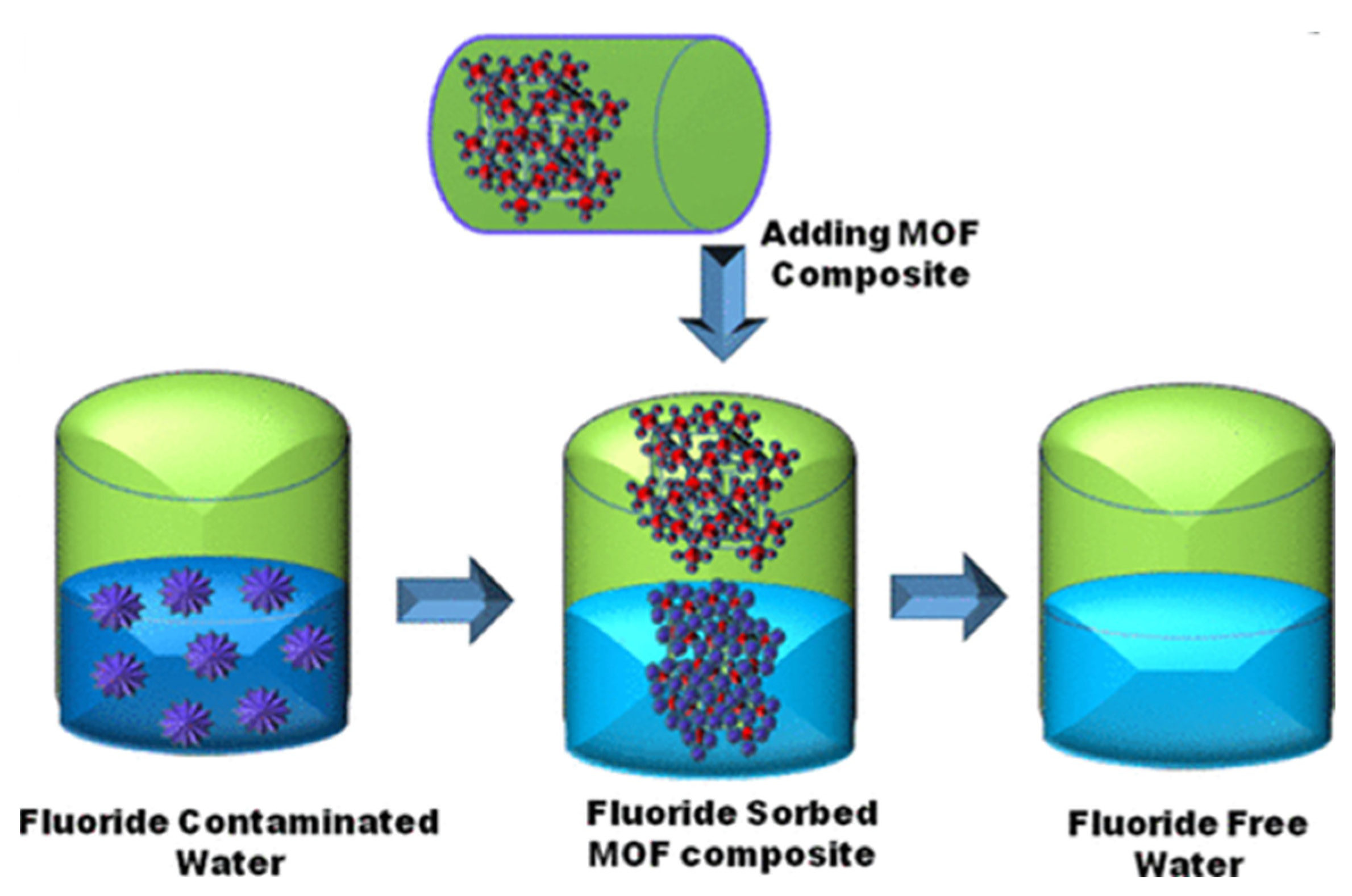
Zero Water uses something called ion exchange and activated carbon. Think of it as a tiny chemical wrestler: it swaps fluoride ions (and other dissolved solids) for something less scary, like potassium ions. That’s why it has that five-stage filter—it’s basically a nerd’s dream team against minerals.
Most standard Brita or Pur filters? They’re great for taste, but they laugh at fluoride removal. Those carbon filters are designed to grab chlorine and big stuff, not tiny fluoride molecules. Zero Water’s ion exchange resin is a whole different beast—it’s aggressively good at snatching up fluoride, lead, and even arsenic.
I tested it myself with a home fluoride test kit (yes, I’m that person now). My tap water clocked in at 0.7 ppm, which is normal for most US cities. After Zero Water? It read 0.0 ppm. That’s right—zero. The name isn’t just a vibe; it’s a promise for fluoride.
But here’s the ironic twist: it’s almost too good
You know how some filters remove the “bad” stuff but also strip out good minerals like calcium and magnesium? Zero Water does that too. It’s a total purge. That’s why the water tastes almost… flat to some people. Ever drunk distilled water? Same vibe.
 Effective Fluoride Removal Methods for Drinking Water | CWS
This is where the fluoride question gets personal. If you’re pro-fluoride for dental health (public health folks love it for cavities), then Zero Water might be overkill. It removes the fluoride that’s meant to protect your teeth. But if you’re anti-fluoride (and the internet is a huge rabbit hole on that), then this filter is your best friend.
My own dentist sighed when I told her. She said, “Just drink tap water sometimes, or use fluoride toothpaste. Your choice.” Classic dentist diplomacy.
What the test numbers don’t tell you (the sneaky reality)
Zero Water filters don’t last forever—and I mean forever in a very literal, annoying way. The company gives you a little TDS (total dissolved solids) meter. Once that meter reads 006 or higher, it’s time to swap. But here’s the catch: fluoride is one of the first things to break through when the filter gets old. Your TDS might still read low, but fluoride is sneaking back in.
So yes, it removes fluoride brilliantly—until it doesn’t. You have to watch that meter like a hawk. Otherwise, you’re basically drinking “almost filtered” water and thinking you’re safe. I replaced my filter after just three weeks in a household of two people. Pricey? Yep. Effective? Also yep.
 Culligan with ZeroWater Technology Replacement Filter 3-Pack, 5-Stage
The real question: should you buy Zero Water for fluoride removal?
If you’re on well water or in an area with high fluoride (some places hit 2-4 ppm, yikes), then absolutely get Zero Water. It’s one of the few countertop filters that actually claims and delivers on fluoride removal. For city water at standard levels, it works—but you might be overpaying for a feature you don’t need.
Karen ended up buying a second pitcher—one for the kitchen (Zero Water) and one for her bathroom tap (standard Brita for teeth brushing). She’s now the water queen of her street. I just roll my eyes and drink my “boring” tap water, but secretly I admire her commitment.
So, bottom line: Zero Water does remove fluoride—with a side of mineral removal, a need for obsessive filter monitoring, and a slightly empty taste. If that sounds like your jam, dive in. If not, maybe stick with a regular filter and just ask your dentist if you need to worry.
Oh, and Karen says hi. She’s currently testing the water from her neighbor’s hose. Some people never stop hunting for purity.
