Does Any Uv Light Kill Bacteria

Ever found yourself staring at a UV light gadget, wondering if it’s actually zapping germs dead? You’re not alone. It’s a cool idea: a little purple glow that promises a clean...

Ever found yourself staring at a UV light gadget, wondering if it’s actually zapping germs dead? You’re not alone. It’s a cool idea: a little purple glow that promises a clean surface without any scrubbing. But here’s the big question—does any UV light kill bacteria, or is it just a fancy flashlight?
The short answer is: not all UV light is created equal. You see, there’s a spectrum, and only one specific part of it is the bacteria-busting superhero. Think of it like a playlist—most songs are just background noise, but one track is the total banger that gets everyone moving.
The Three Musketeers of UV Light
UV light comes in three main types: UVA, UVB, and UVC. Most of the UV we get from the sun is UVA and UVB—the stuff that tans you or gives you a sunburn.
Must Read
These two are not great at killing bacteria. They can damage your skin cells, sure, but they’re too weak to consistently take down a microbe party. It’s like trying to put out a campfire with a water pistol—technically wet, but not very effective.
Then there’s UVC light, the black sheep of the family. This one is the real germ-killer, packing a wavelength between 200 and 280 nanometers. It’s short, intense, and absolutely vicious to bacteria, viruses, and even mold.
How Does UVC Actually Work?
Imagine a bacteria as a tiny house with a library inside. The library is its DNA. UVC light acts like a wrecking ball that smashes the bookshelf, so the bacteria can’t read its instructions. No instructions means it can’t reproduce, and soon it just gives up and dies—or more accurately, it can’t make copies of itself to cause trouble.
This isn’t magic—it’s physics. The photons in UVC light have just enough energy to break chemical bonds in the microbial DNA. It’s like a laser beam that specifically targets the bad guys while leaving your phone case mostly unharmed.
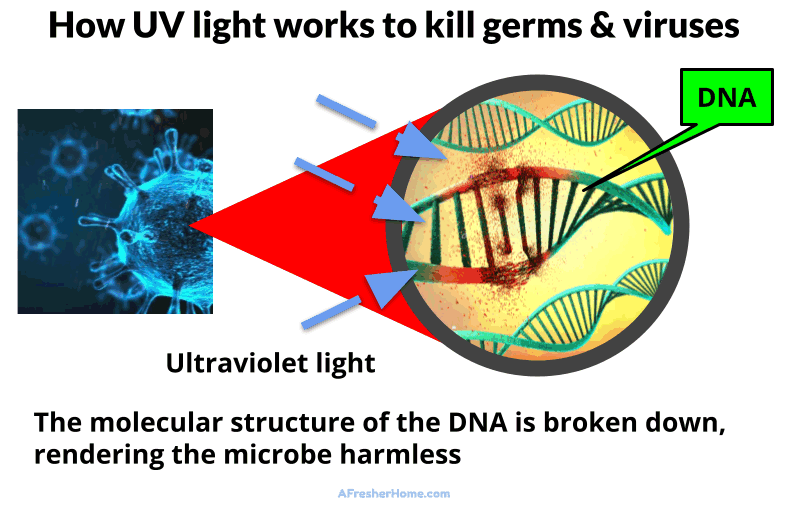 Uv Light Effect On Bacteria at Johnathan Olivar blog
But here’s the catch: not all UVC light is the same. Some gadgets use low-power UVC, like a 1-watt pen light, which might take hours to clean a surface. Others use high-power, industrial-grade UVC that can sanitize a hospital room in minutes. So, that little $20 wand you bought online? It might be doing almost nothing.
The Sneaky Problem with UV Light
Even if you have the right UVC light, bacteria can be sneaky. They love hiding in shadows and crevices. UV light travels in a straight line, just like a sunbeam. If a bacterium is tucked behind a speck of dust or under a curve in your toothbrush, it’s basically invisible to the light.
It’s like using a flashlight to look for your keys in a dark room—you have to point it directly at them, or you’ll miss. That’s why UV sanitizers work best on flat, smooth surfaces without any obstructions.
And then there’s the dose. Killing bacteria isn’t just about shining a light for a split second. It’s about how much energy hits that microbe over time. A quick swipe with a UV wand is like spraying a dusty plant with a single drop of water—feels good, but does nothing.
Does UVA or UVB Do Anything?
Surprisingly, yes—but only under very specific conditions. UVA light, when combined with a special chemical called a photosensitizer, can kill bacteria in a process called photodynamic therapy. It’s like giving the bacteria a poison that only activates in sunlight.
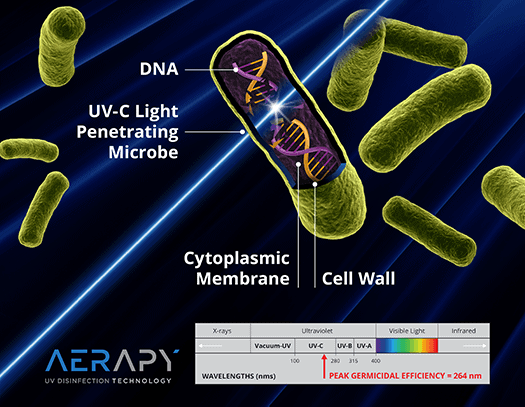 How Does Uv Light Kill Bacteria | Gas Furnace
UVB can also damage bacteria, but it takes much longer and is less reliable. You’d need to leave a UVB lamp on a surface for hours, and even then, some bacteria just shrug it off. It’s the tortoise in the race—slow and steady, but rarely wins against fast-growing germs.
So, if you see a product claiming to kill bacteria with “UV light,” check the fine print. If it doesn’t say UVC, and specifically germicidal UVC (around 254 nm), it’s likely just a cool-looking nightlight.
The Takeaway: Should You Buy a UV Gadget?
UV sanitizers can absolutely work—but only if they’re the right kind, used correctly, and aimed at the right targets. A high-quality UVC lamp, like those found in water purifiers or hospital disinfectors, is a beast. A cheap keychain UV light? Probably just for show.
Here’s a fun comparison: think of it like cooking. A cheap pan won’t ruin a meal, but it won’t sear a steak perfectly either. UV light is the same—you need the right tool for the job.
Ultimately, the coolest part isn’t that UV kills bacteria—it’s that we’ve learned to harness a tiny part of sunlight to fight microscopic enemies. And that, my friend, is genuinely awesome. Just remember: not all UV is created equal, and your smartphone screen probably won’t get clean from a quick flash. But if you’ve got the right wavelength and a little patience? You can punch germs out with light. How cool is that?
