How To Check Hard Water At Home

So, you’re starting to wonder why your dishes look like they went through a flour fight, or why your skin feels tighter than a snare drum after a shower. You might be dealing...
So, you’re starting to wonder why your dishes look like they went through a flour fight, or why your skin feels tighter than a snare drum after a shower. You might be dealing with hard water. Don’t worry, I’ve got you—and we’re going to figure this out together, right now.
The Soap Test: Your First Clue
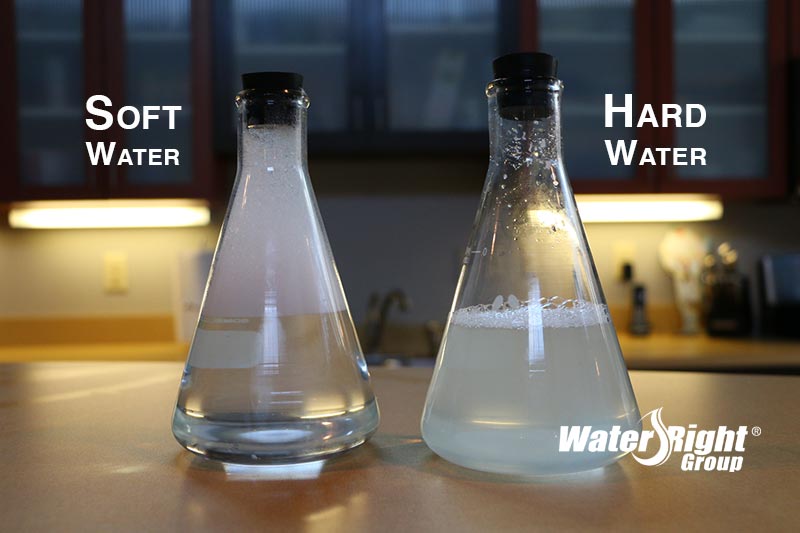
Grab a clear, empty water bottle. Fill it about halfway with tap water from your kitchen sink.
Now, add exactly five drops of plain liquid dish soap. No, not the fancy moisturizing kind—just some basic, run-of-the-mill soap.
Must Read
Screw the cap on tight and shake it like a Polaroid picture. Watch what happens. If you see a mountain of fluffy suds, you’re probably in the clear. If you get a sad, cloudy puddle with barely a whisper of bubbles? That’s hard water waving hello.
The Glassware Ghost
Look at your drinking glasses when they’re dry. I mean really look. Are they covered in tiny, white, crusty spots that look like a skeleton’s dandruff?
That’s not leftover detergent acting up. That’s calcium and magnesium throwing a party on your glassware. The harder your water, the more dramatic this party gets.
Bonus points if you gently rub a spot with your finger. If it feels gritty like sand, you’ve officially got hard water on your hands. No judgment—it happens to the best of us.
Let’s Play “Spot the Scale”
Pop open your faucet aerator. That’s the little screen at the tip of your faucet. Unscrew it carefully (sometimes you need pliers, but be a gentle giant).
If you see a white or greenish crud built up on the screen, like something from a sci-fi movie, that’s mineral scale. Your water is depositing its life story onto your hardware.
You don’t need a lab coat for this—just a skeptical eye and a willingness to get your hands a little dirty. Go on, look. I’ll wait.
The Shower Stall Slam
Step into your shower. Now, look at the glass door or walls. Do you see splotchy white streaks that resist even the most aggressive scrubbing?
 How To Test For Hard Water At Home | Big Bathroom Inspiration
Those aren’t ghosts from a bad horror movie. That’s your water’s mineral content drying into a stubborn crust. It’s basically the water version of a bad tattoo—hard to remove and you didn’t sign up for it.
If you have a plastic curtain, check the bottom hem. Sometimes you’ll find a yellow or brown ring that smells faintly of rust. Hard water loves to hang out there, too.
The Tick-Tock Test
Boil a small pot of tap water. Let it cool completely. Then, look at the bottom of the pot. See a white, chalky powder? That’s dissolved calcium that decided to come out of hiding.
Hard water literally leaves a “trace” of itself every time you cook. It’s like your tap water is an artist, but its medium is… annoyance. Boil a kettle for tea, and you’ll often see the same thing.
If your teakettle looks like it’s been dusted with flour, congratulations—you’ve passed the hard water test with flying colors. Or should I say, flying minerals.
The Skin and Hair Clues
After your shower, does your skin feel tight and itchy, like you just put on a sweater made of sandpaper? Hard water makes it hard for soap to rinse off completely.
Your hair might feel dry, brittle, or flat—even after using conditioner. It’s because the minerals stick to your hair shaft like tiny, unwanted barnacles.
Ever notice your shampoo won’t lather nicely, no matter how much you use? That’s your water being stingy. Hard water fights against suds like a toddler refusing a nap.
 Step-By-Step Guide: How to Check Your Water Hardness at Home | Easy
The DIY Drop Check
Here’s a quick one. Grab an ice cube tray (empty, please). Fill each compartment with tap water and freeze it. Once solid, take out one cube and let it melt on a dark plate.
After the water evaporates, check for a white, powdery ring around where the cube sat. If you see it, that’s pure mineral residue—your hard water leaving its calling card.
This is also a fun party trick. “Hey, want to see my water’s hidden identity?” They’ll think you’re a genius. Or strange. Probably both.
What To Do Next (The Gentle Reality Check)
So you found hard water. Don’t panic. You’re not living in a condemned house. Hard water isn’t dangerous—it just likes to leave a mess and irritate your hair.
You have options. A whole-house water softener is the nuclear option (but effective). A showerhead filter is a cheaper, simpler fix for your skin and hair.
For quick relief, you can add a rinse aid to your dishwasher or use a chelating shampoo once a week. You can also try white vinegar to clean those glass spots—it dissolves the minerals like magic.
You’ve Got This
Now you know how to check. No fancy kits, no chemistry degree required. Just a few household items and a little nosiness.
Next time someone mentions “water quality,” you can casually drop, “Oh, I found scale on my faucet aerator.” They’ll be impressed. Or weirded out. Either way, you’re the expert now.
Go ahead—shake that soap bottle. Your water’s secrets are about to spill. ☕
