How To Solve Hard Water Problem

So, picture this: I’m standing in my shower, fresh out of a long day, ready for that Zen moment. I reach for the shampoo, lather up, and... nothing. My hair feels like straw,...
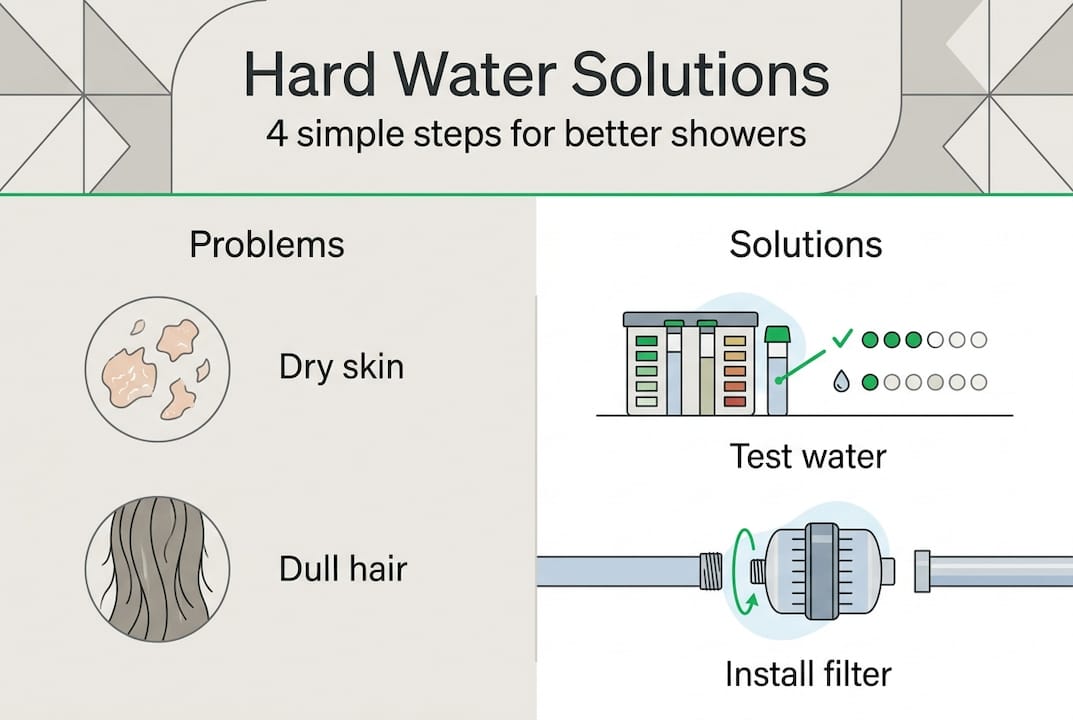
So, picture this: I’m standing in my shower, fresh out of a long day, ready for that Zen moment. I reach for the shampoo, lather up, and... nothing. My hair feels like straw, my skin is tight, and the glass door looks like a haunted art project with white, crusty spots. That, my friend, was my formal introduction to hard water.
If this sounds familiar, you’re not alone. Hard water is basically liquid chalk running through your pipes. It’s packed with calcium and magnesium, and while it won’t poison you (phew!), it will wage war on your soap, your appliances, and your sanity.
What’s the deal with hard water, anyway?
Think of hard water as the uninvited guest who never brings a gift. It’s just water that picked up minerals as it traveled through limestone and chalk underground. Not evil, but definitely annoying.
Must Read
The real problem? Soap simply can’t do its job. Instead of lathering, it forms a sticky scum that clings to your skin and sinks—a total buzzkill for cleanliness. Plus, that scum builds up in your pipes and coffee maker, slowly strangling them.
Step 1: The cheap fix you already own
Before you throw money at the problem, try white vinegar. It’s the duct tape of home remedies. Fill a spray bottle with undiluted vinegar, spritz your faucets and shower head, let it sit for 15 minutes, then scrub. You’ll see the white scale dissolve like magic—and your kitchen will smell like a salad dressing commercial, but hey.
For a deeper clean on your coffee maker or kettle, run a cycle with equal parts vinegar and water. Then run two cycles with plain water to rinse. Your morning brew will thank you.
Side note: Don’t bother using this on your laundry. Vinegar in the rinse cycle can help with odors, but it won’t cure the hard water issue for your clothes—trust me, I tried.
Step 2: The soap swap
Normal soap is fighting a losing battle in hard water. Switch to a chelating shampoo or a liquid soap designed for hard water. Look for ingredients like EDTA or sodium citrate—they grab onto those minerals and drag them down the drain.
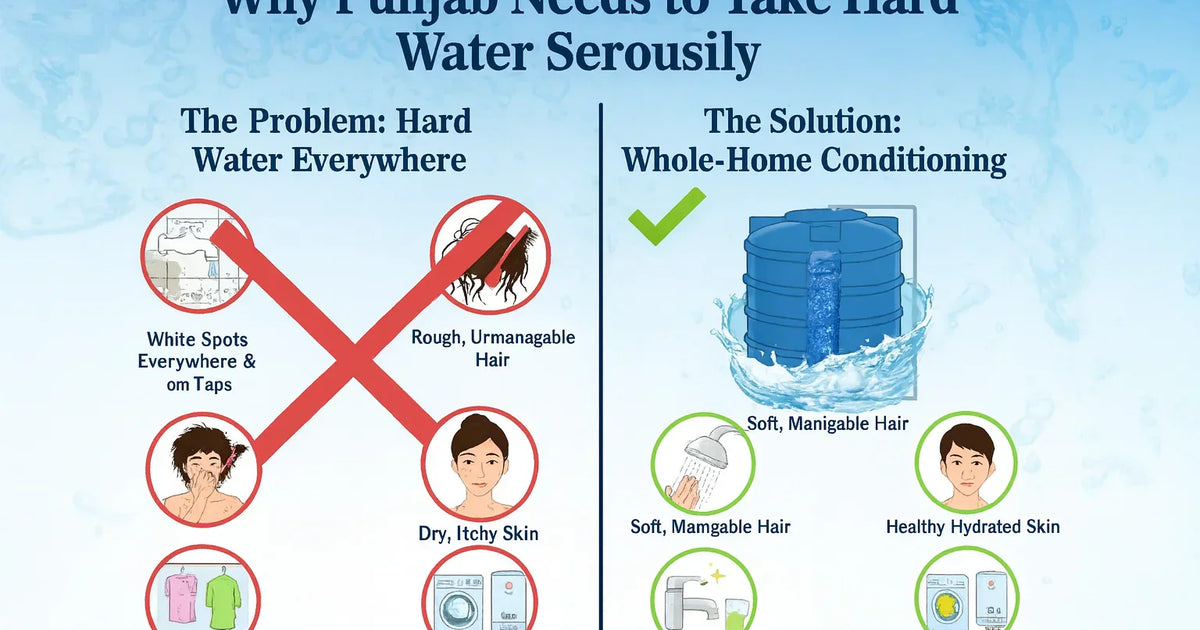 Punjab's Hard Water Problem - Why It's Serious – Hard2Soft Descaler and
And for your dishes? Ditch the powdered detergent. Use a gel or a tablet with built-in water softeners. Your glasses won’t look like they have a permanent foggy hangover.
When vinegar fails: the wimpy truth
Vinegar is great for surface stains, but it’s not a long-term solution. If your water is very hard (anything above 10 grains per gallon), you’re just putting a bandage on a broken leg. The real fix? You guessed it—a water softener.
Step 3: The big guns—water softeners
This is where you stop fighting the water and start outsmarting it. A water softener is a tank that uses salt to swap calcium and magnesium for sodium ions. Yes, it adds a tiny bit of salt to your water. But no, you won’t taste it (unless you’re a super-taster with a microscope).
Installation can be DIY if you’re handy with a wrench, but honestly? Hire a plumber. You don’t want to flood your basement just to prove a point. Costs range from $400 to $2,500 depending on your setup, but your pipes and skin will forgive you within a week.
Sarcastic but true: You’ll suddenly realize that “soft” water is what normal people have been enjoying all along. Your soap will lather like a dream, your hair will stop fighting you, and your kettle will stay shiny.
 How does hard water affect your plumbing system?
Step 4: The sneaky alternatives
Not ready for a full softener? Try a shower head filter. These little gadgets screw onto your existing setup and use carbon and KDF media to catch minerals. They won’t soften the water entirely, but they’ll reduce the scale on your skin and hair. It’s like a spa day lite.
Another option: magnetic or electronic descalers. These clamp onto your main pipe and send an electric pulse to change the mineral structure so they don’t stick. Skeptical? Me too. The science is shaky, but some swear by them. If you’re on a budget, it’s a fun experiment.
Step 5: Don’t ignore the laundry room
Hard water makes your whites gray and your clothes stiff. Add washing soda (sodium carbonate) or a commercial water softener like Calgon to each load. It binds to the minerals so your detergent can do its job. Your favorite shirt will thank you.
Also, stop using fabric softener. It coats your clothes in chemicals that don’t rinse well in hard water. Use a cup of vinegar in the rinse cycle instead—no, your clothes won’t smell like salad. The smell vanishes when dry.
The final truth
Hard water is annoying, but it’s not a life sentence. You can manage it with vinegar and better soap, or nuke it with a softener. Your choice depends on your tolerance for crusty faucets and flat hair.
Me? I went the softener route after my shower glass started looking like a crime scene. Now I tell people my secret to good hair is “expensive conditioner,” but really, it’s just water that doesn’t hate me. You deserve that peace too.
