How Long Does Tonic Water Last

There’s something deeply satisfying about the crisp, bitter snap of a fresh tonic water, isn’t there? That effervescent lift that turns a simple afternoon into a quiet ritual....

There’s something deeply satisfying about the crisp, bitter snap of a fresh tonic water, isn’t there? That effervescent lift that turns a simple afternoon into a quiet ritual. But if you’ve ever found a dusty bottle lurking at the back of your fridge, you’ve probably wondered: how long does this stuff actually last?
The short answer is: tonic water does expire, but not in the way old milk does. It won’t make you sick, but it will slowly lose its personality. Think of it like a guest who stays too long at a party—still pleasant, but the spark is gone.
The Science of Fizz (and Why It Matters)
Unopened tonic water is surprisingly resilient. Most commercial brands, including Fever-Tree and Schweppes, have a printed best-by date that’s typically 9 to 12 months from production. Keep it in a cool, dark pantry, and it will hold its carbonation and flavor quite well.
Must Read
Once you crack that cap, the clock starts ticking in earnest. The main villains here are oxygen and light. They attack the carbonation and the delicate quinine, the compound that gives tonic its distinctive bitterness. An opened bottle of tonic water is at its absolute peak for about 2 to 3 days in the refrigerator—after that, it begins to go flat.
Here’s a fun fact: Tonic water gets its name from the quinine it contains, which was historically used to prevent malaria. British officers in colonial India mixed it with gin to make the bitter medicine more palatable. That’s why we have the Gin & Tonic today—a cocktail born from survival instinct and excellent improvisation.
How to Tell If Your Tonic Has Given Up
You don’t need a chemistry set to know when tonic water has overstayed its welcome. The most obvious sign is flatness. If you pour a glass and it barely hisses, or if the bubbles vanish within seconds, it’s past its prime. A truly fresh tonic should form a lively, persistent fizz that lasts for several minutes.
Another telltale sign is a shift in taste. Fresh tonic water has a clean, sharp bitterness that plays well with spirits. As it ages, that bitterness becomes muddy or slightly metallic. Sometimes, after several months past the date, you might notice a faint off-flavor reminiscent of cardboard or old lemon. That’s the quinine breaking down.
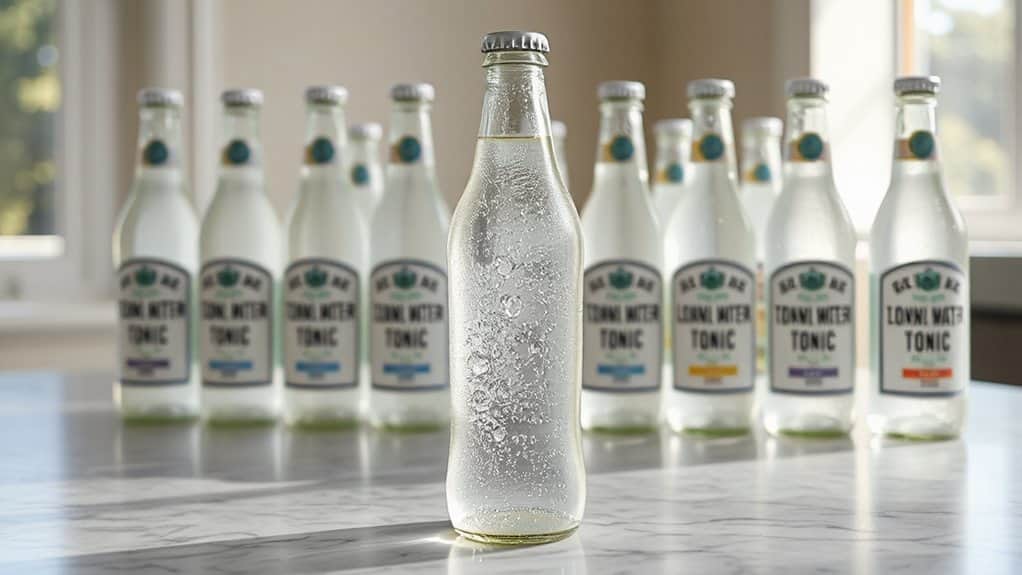 Maximize Tonic Water Shelf Life & Quality Tips!
One little-known tip: Never store tonic water near a window or in direct sunlight, even unopened. Light speeds up chemical degradation, turning that bright fizz into a sad, cloudy mess. Keep it in a pantry or a closed cabinet for maximum shelf life.
Practical Tips for the Tonic-Savvy
If you’re a casual drinker who only uses tonic occasionally, buy the smallest bottles you can find. Those tiny 200ml cans or glass bottles are perfect for a single gin and tonic or a spritz—no waste, no flat leftovers. Brands like Q Mixers and Fever-Tree offer excellent 200ml options.
For the ultimate freshness, invest in a wine preserver—the kind you spray into an open bottle of wine to remove oxygen. A quick spritz inside the tonic bottle before recapping can extend its fizz life by an extra day or two. It sounds fussy, but it works beautifully.
Here’s a cultural cheat: In London’s best cocktail bars, bartenders often reuse tonic water that is less than 24 hours old for cocktails that don’t need high carbonation, like a Gin & Sin. They call it “second-day tonic,” and it’s perfectly fine in a stirred drink. But never use it for a classic G&T—that demands the freshest pour.
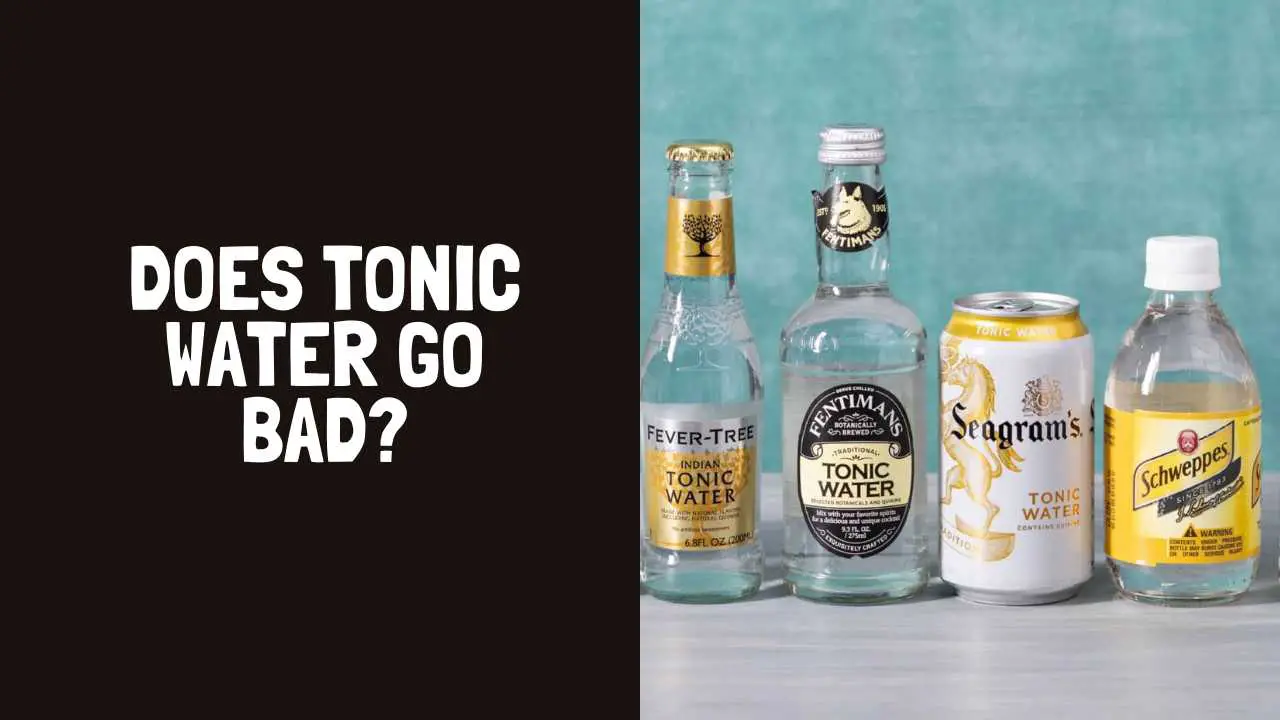 Does Tonic Water Go Bad? How Long Does Tonic Water Last?
The Party Versus the Daily Ritual
If you’re stocking up for a party, remember that tonic water is best treated like a perishable ingredient. Buy it no more than a week in advance, and refrigerate it as soon as it arrives. The cold slows down carbonation loss dramatically—cold liquids hold gas better than warm ones.
For everyday use, here’s a golden rule: Finish an open bottle within 48 hours. Pour it in a fresh glass and taste it quickly. If the bubbles are still dancing, you’re golden. If they’re sluggish, consider using it in a simple spritzer with a splash of fresh lime juice and a little soda water—the soda will revive the fizz.
A fun fact to impress your friends: The world’s oldest known tonic water recipe dates back to 1858, and it contained sugar, quinine, and carbonated water—basically the same formula we use today. Some things just don’t need improving.
The Final Sip: A Reflection
Perhaps the real lesson here isn’t just about expiration dates. It’s about the simple joy of timing. A perfect tonic water, bright and bubbly, mirrors those moments in life that feel effortlessly alive—a warm evening, a good conversation, a lazy Sunday. Let it sit too long, and it loses its spark, just like we do when we put off the things that bring us joy.
So next time you reach for that bottle, pour it with intention. Drink it fresh, share it quickly, and don’t hoard it for a “special occasion.” Because the best occasion is the one you’re in right now, with a crisp, cold tonic in your hand and nothing but the glow of the afternoon ahead.
