Does Tap Water Have Iron In It

So, you’re standing at the kitchen sink, filling a glass with tap water. You take a sip, and suddenly, you’re hit with that distinct, slightly metallic taste—like licking a pe...
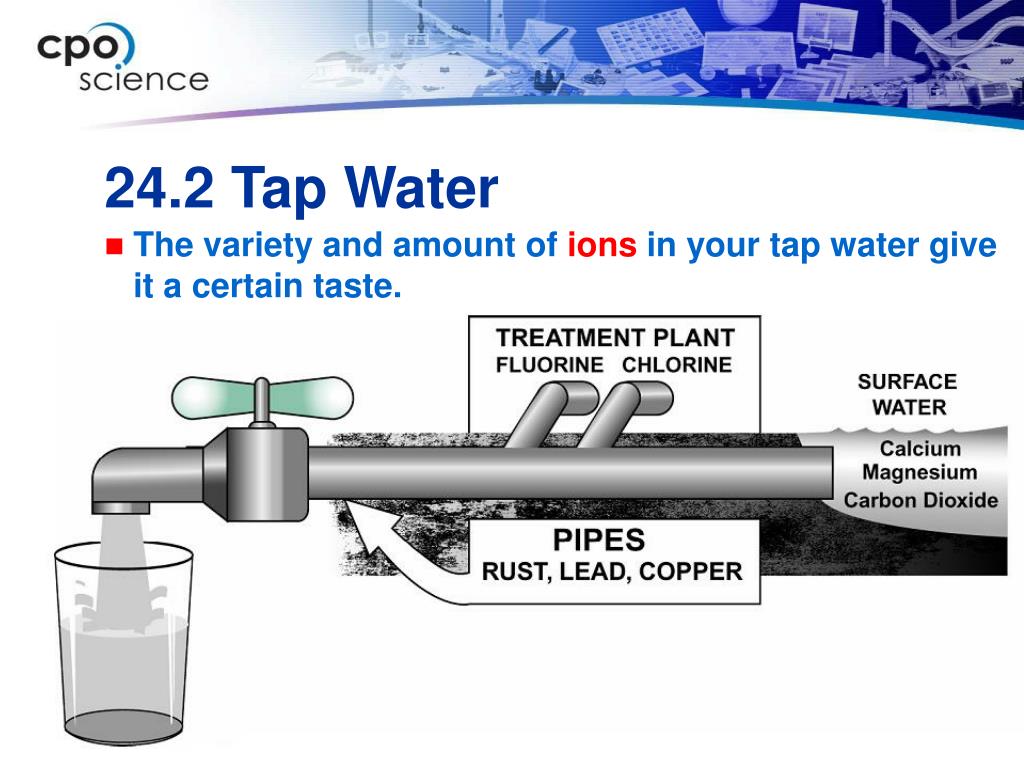
So, you’re standing at the kitchen sink, filling a glass with tap water. You take a sip, and suddenly, you’re hit with that distinct, slightly metallic taste—like licking a penny or a rusty old fence. You’re not alone in this experience; it’s one of those everyday mysteries we rarely talk about. Yes, tap water can have iron in it, and no, you’re not imagining things.
Why Your Water Tastes Like a Coin Collection
Iron is a natural mineral that finds its way into groundwater as it travels through rocks and soil. Think of it as the water taking a scenic route through a giant Earth-buffet, picking up tiny bits of iron along the way. Most tap water in the U.S. has low levels of iron, but if you live in an area with old pipes or high iron content in the soil, you’re in for a rusty welcome.
That metallic taste? It’s usually the ferrous iron—the kind that’s dissolved and invisible, like a sneaky ghost. When you pour a glass and it sits out, that iron oxidizes (hello, science) and turns into ferric iron, which is basically rust flakes. Ever seen a reddish-brown tint in your water? That’s your tap water throwing a tiny rust party.
Must Read
The Laundry Room Horror Story
You know the drill: you toss a white shirt into the wash, expecting it to come out crisp and clean. Instead, it emerges with orange-brown splotches that look suspiciously like a tie-dye project gone wrong. That’s iron in your water writing its grumpy signature on your clothes. It’s like your washing machine turned into a bad artist with only one color—rust.
I once had a friend who convinced himself his water was fine because it looked clear. Then he washed his new beige towels, and they came out looking like they’d been in a mud fight. Now he owns a water filter and a deep respect for trace minerals. Lesson learned: iron doesn’t care about your laundry plans.
Is It Dangerous or Just Annoying?
Here’s the good news: iron in tap water is not considered a health hazard. In fact, your body needs a little iron to keep your blood healthy—just not from your faucet. The bigger issue is that it can stain your sinks, toilets, and that expensive porcelain tub you never use.
Think of it as the difference between a harmless neighbor who borrows your tools and a truly dangerous one. Iron is the “borrows your tools” guy—annoying, but not life-threatening. You won’t grow a third arm from drinking it, but you might develop a sudden passion for scrubbing bathtubs.
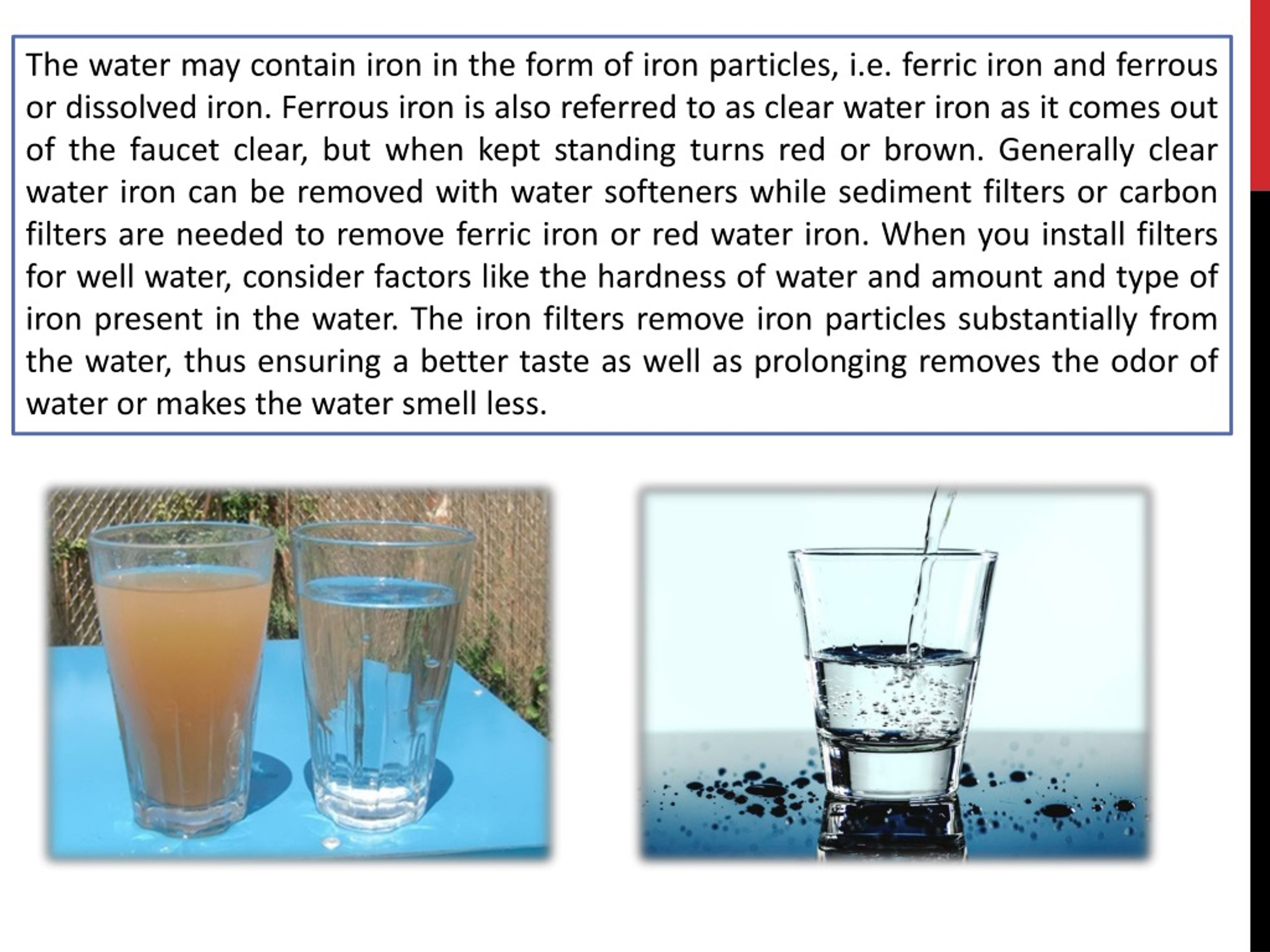 PPT - Iron Filtration System - Perfect Solution For Iron Problem
The Coffee and Tea Betrayal
If you’re a coffee or tea lover, iron in your tap water is your worst enemy. That perfect morning brew? Add a splash of high-iron water, and your drink turns into a murky, grayish-brown mess that tastes like regret. Iron reacts with tannins in tea and coffee, basically turning your beloved beverage into swamp juice.
I remember visiting a friend’s house, proudly brewing a pot of my favorite dark roast. The result looked like motor oil, and I’m pretty sure I heard my taste buds apologize. We ended up using bottled water for the rest of the visit. Iron: 1, Morning Caffeine: 0.
How to Spot Iron in Your Water Without a Lab Coat
You don’t need a fancy test kit to know if iron is in your tap water. Look for signs like reddish-brown stains on your sink or toilet bowl, or if your water leaves a metallic film on your dishes. Even your pets might give you a clue—my cat once refused to drink from her bowl because it smelled like an old nail. She’s a picky judge of water quality.
Another giveaway: water that tastes like it came from a rusty pipe—you know, the kind you’d expect to see in a haunted mansion movie. If you’re tired of wondering, a simple water test strip from the hardware store costs less than a fancy latte and gives you the truth.
 Iron in Drinking Water (Here's What to Do About It!)
What Can You Do About It?
If you’ve decided your water is too metallic for your taste, you’ve got options. A whole-house water softener or iron filter can work wonders, turning your rust-tinted tap into something that actually tastes like water. For a low-budget fix, a countertop pitcher filter with a carbon block will help with taste—but don’t expect it to remove all the iron.
The most hilarious solution I’ve seen? A friend filled a jug with tap water, added a pinch of lemon juice, and called it “rust-tonic.” He swore it was refreshing. I just smiled and nodded, thinking about his poor jeans.
The Final Sip
So, does tap water have iron in it? Yes, for many of us, it does—in small, generally harmless amounts that just make life a little more interesting. It’s not a crisis; it’s just a quirk of living on a planet with rocks and pipes. Whether you choose to filter it, accept it, or start a war against rust stains, remember: you’re not alone in that metallic sip.
Next time you taste that coin-flavor, just shrug and think, “That’s the Earth saying hello through my tap.” Then go buy a filter—your white shirts will thank you.
