How Does Water Get Underground

Let’s be honest—most of us don’t think much about water once it disappears down the drain or soaks into the lawn after a rainstorm. We tend to assume it just vanishes into som...
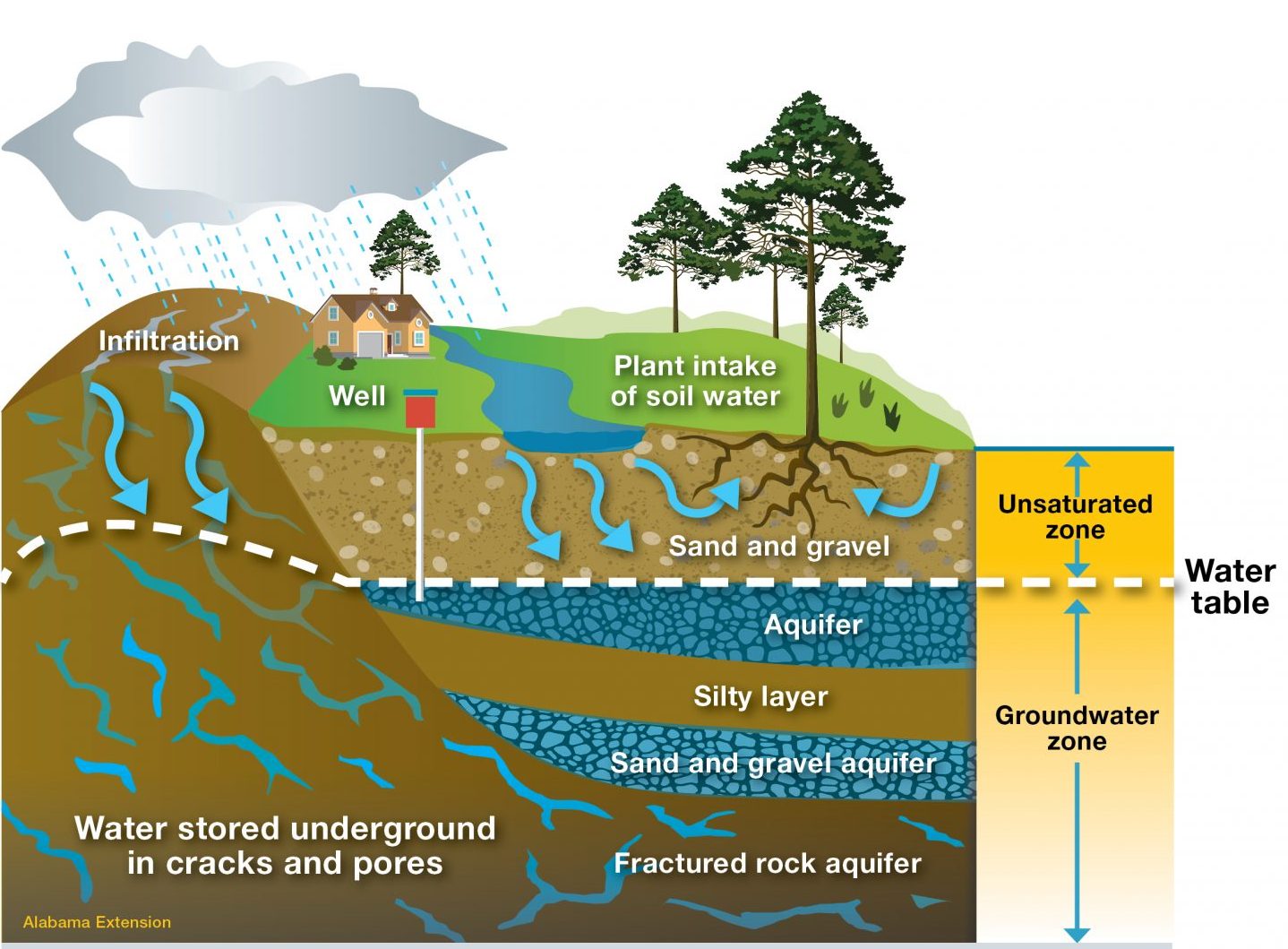
Let’s be honest—most of us don’t think much about water once it disappears down the drain or soaks into the lawn after a rainstorm. We tend to assume it just vanishes into some magical void. But the truth is way cooler than magic: that water is starting a secret underground journey.
So, how does water actually get underground? It’s a bit like a slow, gentle heist. Think of rain as a friendly delivery driver, dropping off millions of tiny packages all over your yard, the park, and even the cracks in the sidewalk.
It All Starts with a Splash (and a Little Patience)
When it rains, some water runs off into storm drains or streams—that’s the impatient water. But the real star of the show is the water that soaks in. This process is called infiltration, and it’s basically the ground taking a long, slow sip.
Must Read
Imagine your backyard after a good watering. The soil gets dark and damp, right? That’s the first layer getting a drink. But if you keep pouring, that water keeps moving downward, past the grass roots and deeper into the earth.
It’s not instant. Water travels through tiny spaces between soil particles, like squeezing through a crowd at a concert. Gravity is the bouncer, constantly pulling it further down.
The Great Underground Filter
Here’s the part that always makes me smile: the dirt is actually cleaning the water as it travels. As water trickles through sand, gravel, and clay, those layers act like a built-in Brita filter. They trap dirt, bacteria, and other yucky stuff.
By the time the water has traveled a few feet down, it’s surprisingly clean. That’s why well water often tastes so crisp and fresh—it’s been naturally polished by the journey.
Eventually, that water reaches a layer of rock or clay that’s so dense it can’t go any further. It starts to pool up, filling all the tiny cracks in the rock below. This is what we call an aquifer—nature’s own underground water tank.
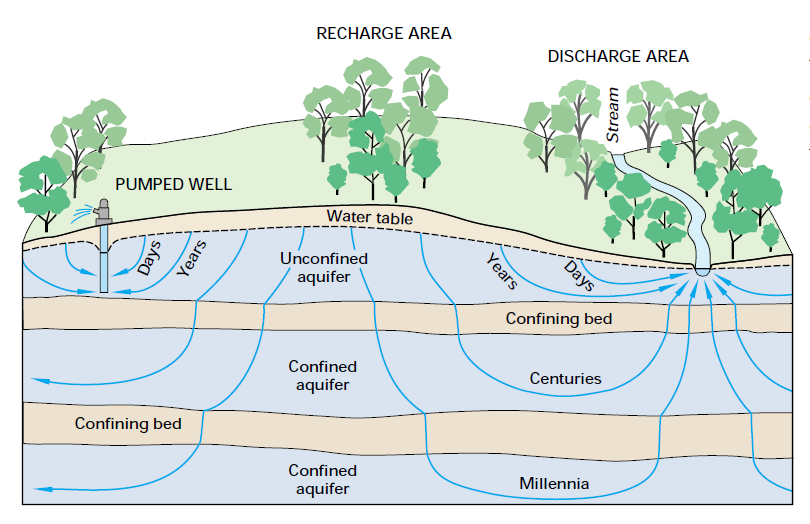 How do wells get their water from underground rivers? | Science
Why Should You Care? (Besides It Being Cool)
Okay, so water goes underground. Big deal, right? Actually, it’s a huge deal. That water isn’t just taking a nap down there; it’s your backup supply. Think of it as the savings account for your town’s water budget.
When you turn on your tap, chances are you’re drinking water that fell as rain decades—or even centuries—ago. That’s how slow this process can be. So that glass of water you had this morning might have been a snowflake during the Civil War. Wild, right?
This underground water, called groundwater, keeps our rivers flowing during dry spells. Without it, streams would dry up and your garden hose would just spit dust. We rely on it for everything: farming, drinking, and even making your morning coffee.
A Little Story: The “Recharge” Rule
My neighbor once complained that his lawn was flooding after a big rain. I told him, “Don’t be mad—you’re literally filling up your local aquifer right now.” He just stared at me, but it’s true. Every puddle is a potential recharge station.
When you let rainwater soak into your yard instead of letting it run off into the street, you’re helping that underground savings account grow. It’s like leaving a few coins in the couch cushions for a rainy day—except this actually matters.
If we pave over everything with concrete and asphalt, we block that water from getting underground. That means less water in the aquifer and more flooding in the streets. We lose both ways.
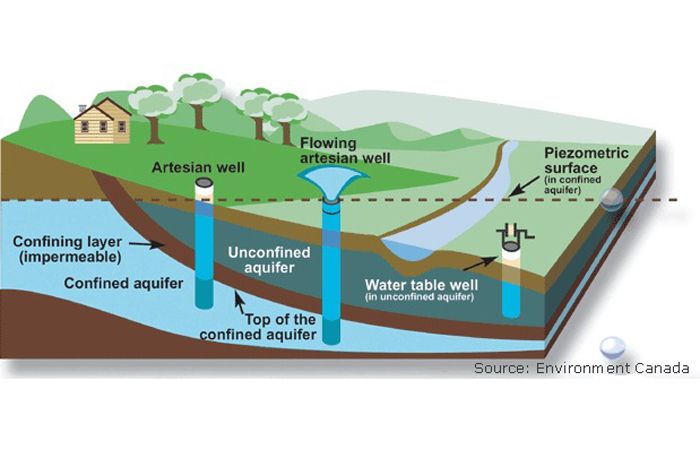 Aquifers: Underground Stores of Freshwater | Live Science
The “Rocks Are Sponges” Secret
Here’s the fun mental image: most rocks you think of as solid are actually full of tiny holes—like a sponge made of stone. Water seeps into those microscopic pores and cracks. Some of the best aquifers are in limestone or sandstone, which are basically spongey rocks.
So next time you see a big boulder, don’t just think of it as a lump. Imagine it a bit damp inside, holding water like a secret stash. That water will keep seeping downward until it hits a place where it can rest for a while.
And that resting place? It could be miles deep or just a hundred feet down. No two aquifers are the same. Some are tiny puddles, and others are massive underground lakes the size of small states. The Ogallala Aquifer in the U.S. is so big it feeds a huge chunk of the Great Plains—and it’s slowly being drained.
A Gentle Reminder
Water doesn’t just vanish. It goes on an adventure. It filters through dirt, squeezes past pebbles, and gathers in dark rocky caverns. It waits patiently for us to need it. We owe it a little respect.
So the next time you see rain soaking into the ground, give a little nod. That water is starting a journey that might end in your kitchen glass. It’s not magic—it’s better. It’s everyday geology, happening right under your feet.
And honestly? That’s kind of beautiful. So go ahead, let the grass get a little wetter than necessary. You’re just filling up the tank for the future—one raindrop at a time.
