What Is In Water Softener Salt

Have you ever stared at a bag of water softener salt in the grocery aisle and thought, “It’s just salt, right?” Well, not quite. It’s like comparing a simple bag of popcorn to...
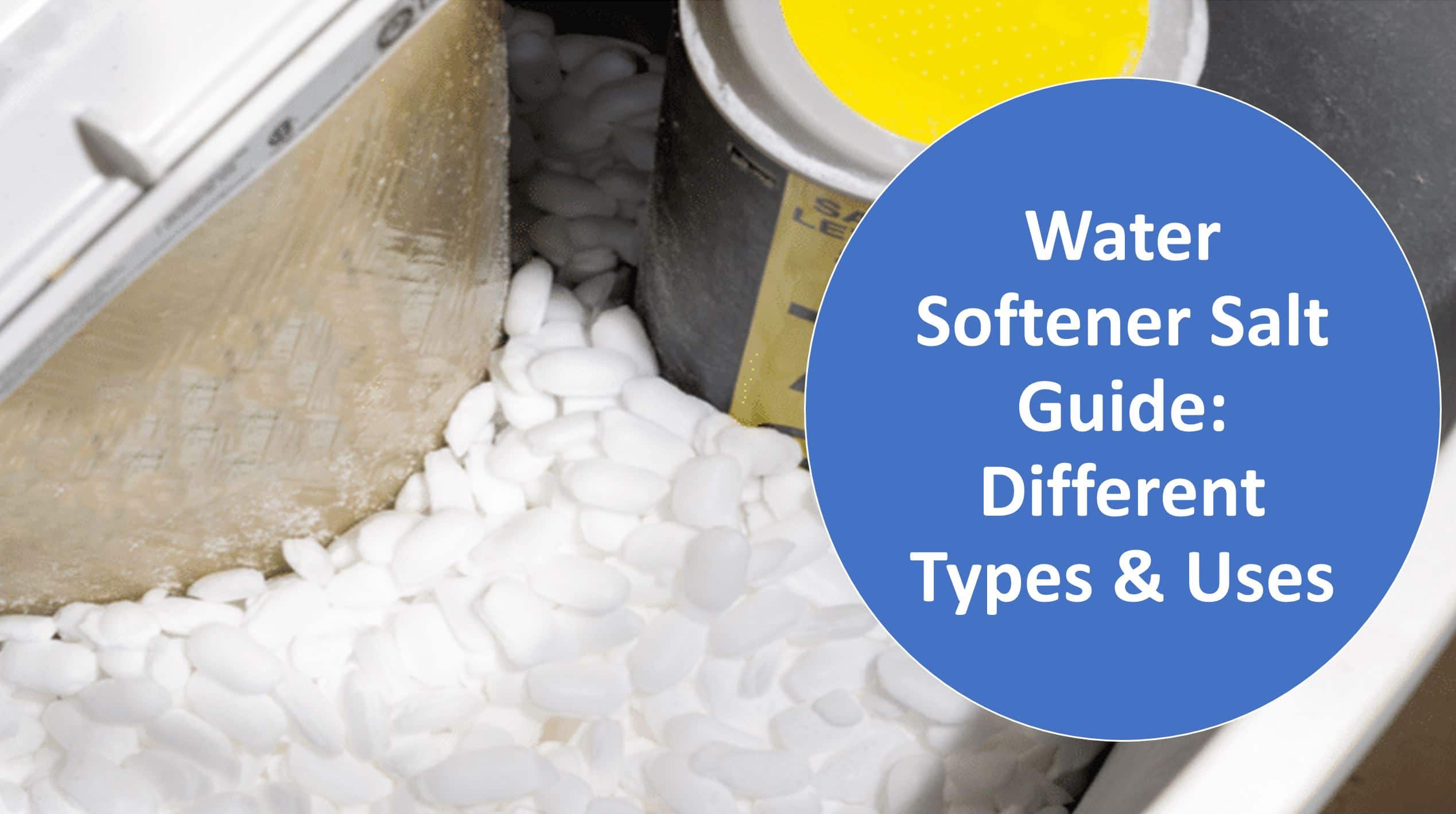
Have you ever stared at a bag of water softener salt in the grocery aisle and thought, “It’s just salt, right?” Well, not quite. It’s like comparing a simple bag of popcorn to a gourmet truffle—both are salty, but one does a lot more work. Water softener salt is the unsung hero of your pipes, your laundry, and even your skin.
Let’s start with the basics. Most tap water in the U.S. is “hard,” meaning it’s packed with calcium and magnesium. Think of these minerals as tiny, clingy party guests that leave a mess—scaly film on your shower doors, white spots on your dishes, and that squeaky feeling on your skin. Water softener salt is the bouncer that kicks those minerals out.
The Magic Trick: Ion Exchange
Here’s where it gets clever. Your water softener uses a resin bead—imagine a tiny, sticky sponge—that grabs onto calcium and magnesium. The salt then swoops in and gives the resin a “bath” of sodium ions, swapping places with the hard minerals. It’s like a trade: the salt says, “I’ll take your trash, you take this clean water.”
Must Read
Without the salt, the resin would get clogged and useless. It’s like trying to wash your hands without soap—eventually, you’re just smearing grime around. So, the salt is the recharger, keeping your system fresh and your water silky smooth.
Not All Salt Is Created Equal
You’ll find three main types on the shelf: rock salt, solar salt, and evaporated salt. Rock salt looks like tiny, dirty pebbles—it’s cheap but leaves a gritty sludge in your tank. Solar salt comes from evaporated sea water and is cleaner, like a crisp, white sand. Evaporated salt is the gold standard—almost pure, dissolving fast, and leaving your softener happy.
Think of it like choosing coffee. You can get the instant kind that’s fine in a pinch, or you can splurge on the fresh-ground beans. Evaporated salt is that premium roast. It might cost a few bucks more, but your softener (and your water bill) will thank you.
 Salt Water Softener System Diagram Water Softeners Why? Service
A Little Story From My Own Kitchen
A few months ago, my friend Lisa complained that her dishes had “rainbow spots” and her skin felt like sandpaper. She’d been using the cheapest rock salt she could find. I told her to swap to evaporated salt for a month. Next time I visited, she squealed, “My glasses are so sparkly! And my hands feel like butter.” She thought I was a wizard. I just knew the salt was doing its job better.
It’s those little wins that make you care. When your towels are fluffier, your coffee maker lasts longer, and you don’t need to scrub shower doors every weekend, the salt becomes a secret luxury. You don’t see it working, but you feel it.
Why You Should Care (Beyond Your Pipes)
Here’s the thing: hard water doesn’t just annoy you—it costs you money. Your water heater has to work harder to heat water full of minerals, which can shorten its life by years. Your washing machine uses more detergent to fight scale, and your clothes fade faster. So, picking the right salt isn’t just about comfort; it’s about protecting your wallet.
 Walter Softner Salt vs. Potassium: A Quick Comparison | Lowe’s
And let’s talk about your skin and hair. Hard water leaves a film that dries out your scalp and makes soap cling to your skin. Soft water, thanks to good salt, lets shampoo lather better and rinses off clean. Ever used a hotel shower with soft water? Your hair felt like silk. That’s the difference a little salt can make at home.
One More Thing: Don’t Eat It!
Okay, I know it’s called salt, but please don’t sprinkle it on your fries. Water softener salt often contains additives to prevent clumping, and it’s not food-grade. It’s like using laundry detergent to wash your hair—technically possible, but a terrible idea. Stick to the tank, not the table.
So, next time you see that bag of salt, give it a knowing nod. It’s not just a cheap white powder—it’s a tiny worker that fights scale, saves your appliances, and makes your morning shower feel like a spa. And if you’ve been buying rock salt out of habit, try upgrading. Your dishes—and your dry elbows—will send you a thank-you note.
