How To Test Water For Bacteria

So, you’ve finally decided to stare down the glass of water on your nightstand and wonder, “Are you friend or foe?” Testing your water for bacteria isn’t just for survivalists...

So, you’ve finally decided to stare down the glass of water on your nightstand and wonder, “Are you friend or foe?” Testing your water for bacteria isn’t just for survivalists living in bunkers—it’s for anyone who’s ever seen a cloudy ice cube and felt a primal shiver. Let’s be real: most water is fine, but sometimes that “fresh” taste is actually a tiny microbial rave, and you’re the unwitting host.
First, Why Are We Doing This? (The Horror Movie Intro)
Most waterborne bacteria are harmless, like that one friend who shows up uninvited but brings snacks. But some, like E. coli or coliforms, are the gatecrashers who spill red wine on your rug—meaning they signal fecal contamination and can make you wish you’d never ignored that funny smell. Surprising fact: your tap water is legally required to have zero coliform bacteria, but private wells? That’s the Wild West, partner—you’re the sheriff.
If you’ve ever drunk from a mountain stream and spent the next 24 hours hugging a toilet, you already know: bacteria do not care about your weekend plans. Testing is your psychic defense mechanism—it tells you if you’re about to make a very bad decision.
Must Read
Step 1: The Prep Work—You’re Now a Scientist (Relax, No Lab Coat Required)
First, grab a sterile container. Yes, sterile—not “I gave it a hot rinse and called it a day.” You can buy these at hardware stores or online, usually in a little kit that looks like a murder mystery prop. Do not touch the inside of the container or the lid—your fingers are basically bacterial Ubers, and you don’t want them dropping off passengers.
Next, pick your water source. If it’s a faucet, run the cold water for two to three minutes first. This flushes out the party guests that have been lounging in the pipes. If you’re testing a well, let it run for five minutes—think of it as giving the water a motivational speech to show its true colors.
Step 2: The Collection—Don’t Panic, But Do It Right
Fill the container almost to the top, leaving about an inch of air (so the bacteria have room to breathe—they’re rude guests, but we’re not monsters). Screw the cap on immediately. Yes, immediately. That calm, floating dust particle you see? It’s probably not a ninja, but treat it like one.
 How to Test Water for Bacteria
Here’s the kicker: you need to get that sample to a lab within 24 to 30 hours, and keep it cold—like, “this is a fancy cheese” cold. If you leave it in a hot car, the bacteria will multiply faster than rumors at a family reunion. Your water will then test positive for everything including loyalty to the Roman Empire.
Step 3: The Lab Test—Letting the Pros Handle the Drama
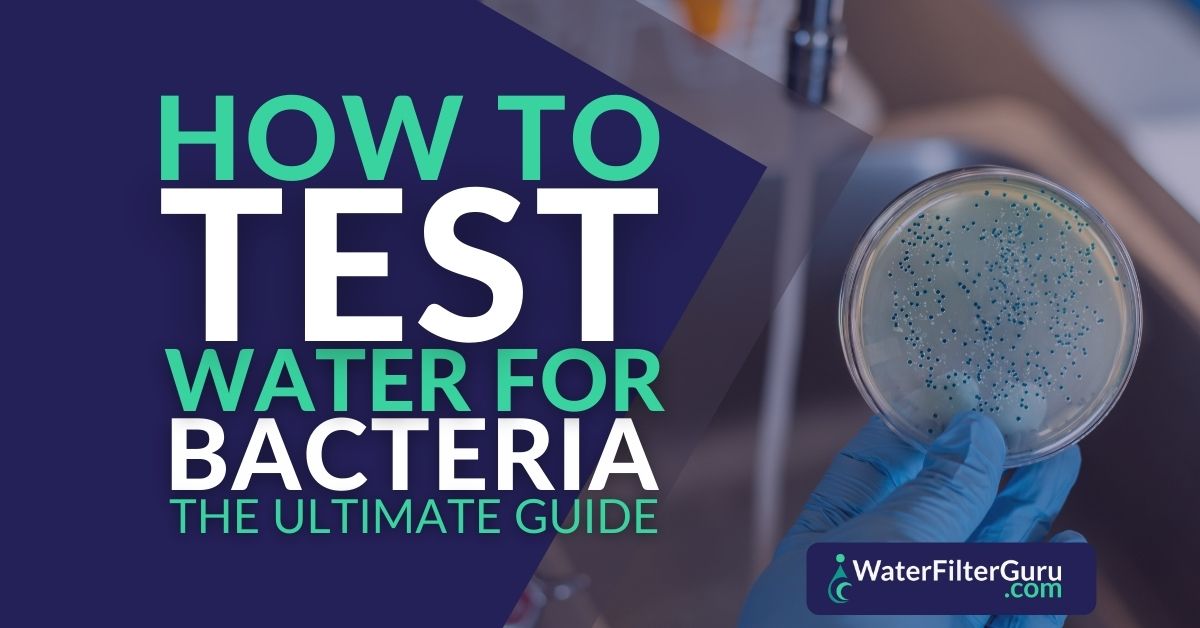
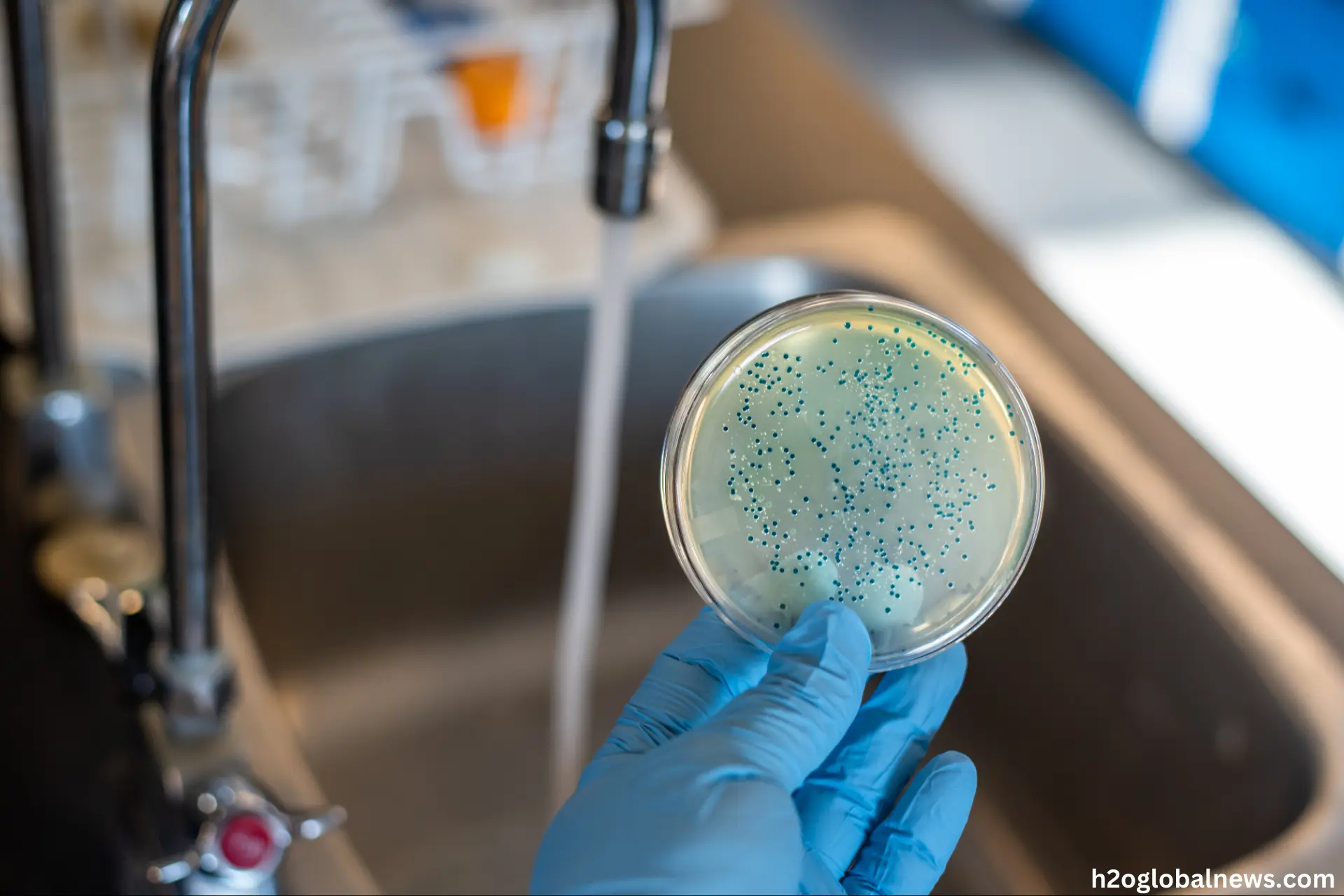
Unless you have a microscope and a PhD in “gross stuff,” don’t try this at home. Send it to a certified laboratory—they’ll use something called a “presence-absence” test or a membrane filtration test. Basically, they let the bacteria throw a party on a petri dish, and if they show up, the lab calls you with bad news and a coupon for a water filter.
Surprising fact: most labs charge between $20 and $50 for a basic coliform test. That’s less than a decent pizza, and the pizza won’t tell you if you’re about to drink from a septic swamp. Some companies also sell DIY test strips or kits you can mail in—just don’t trust the ones that change color like a mood ring and call it science.
 Clean Water: Understanding and Testing for Water Contaminants | H2O
Step 4: Interpreting the Results—No Panic, Just Action
If the test says “no coliforms,” congratulations: your water is as pure as a toddler’s lie about who ate the cookie. But if it’s positive, don’t panic—swallowing one sip won’t turn you into a zombie. It just means you need to chlorinate, boil, or install a UV light system to evict the microscopic tenants.
One more thing: repeat the test after treatment. Bacteria are like bad house guests—they sometimes sneak back in through the plumbing’s back door. And if your well floods, test again, because floodwater is basically bacteria’s version of a family vacation.
The Final Sip: A Surprising Fact to Make You Laugh
Did you know that about 85% of well-water contamination comes from human error—like a septic tank too close to the water source, or a forgotten dead squirrel in the well cap? That’s right: you’re not fighting invisible ninjas; you’re fighting your own lawn maintenance decisions. So test your water, fix your drainage, and always keep a backup plan—like a bottle of wine that’s definitely not from a stream. You’ve got this, you magnificent paranoia queen.
