How To Get Calcium Buildup Off

Let’s talk about something that’s probably lurking in a corner of your home right now, plotting against your sanity: calcium buildup. That crusty, white, hostile mineral sludg...
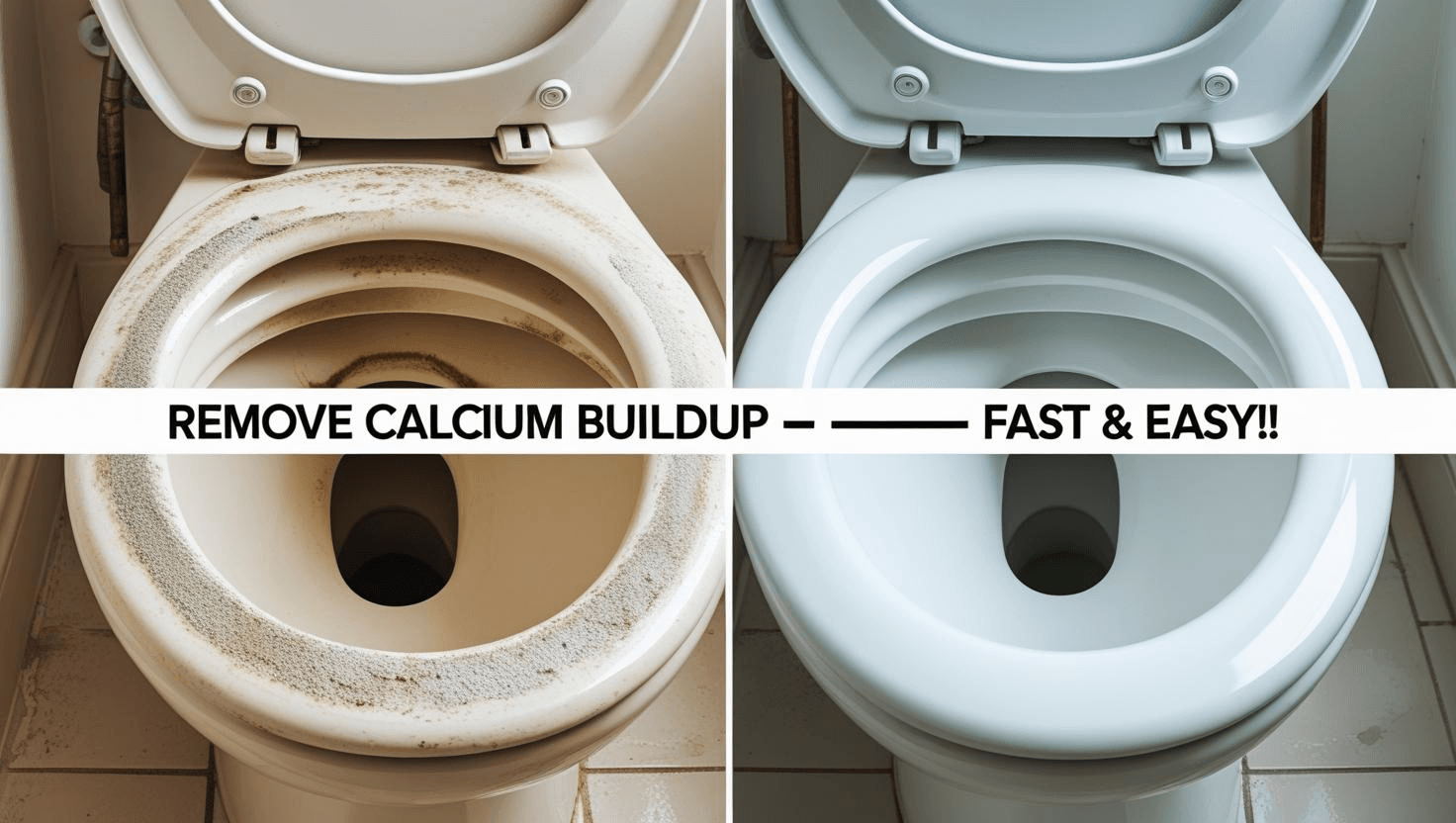
Let’s talk about something that’s probably lurking in a corner of your home right now, plotting against your sanity: calcium buildup. That crusty, white, hostile mineral sludge is the house guest who never leaves. It’s the villain on your faucets, the bogeyman in your coffee pot, and the terror of your showerhead.
Here’s a shocking fact: that white gunk is the same stuff your body uses for strong bones. So while you’re over here chugging milk like a champion, your tap water is busy building miniature castles on your kettle. It’s a betrayal, plain and simple.
Why You Shouldn’t Just Ignore It (Even Though You Really Want To)
Ignoring calcium buildup is like ignoring a spider in your car—it might not bite today, but it will absolutely ruin your day eventually. That crusty layer can clog your coffee maker, making your morning brew taste like regret and chalk dust. More alarmingly, if it builds up in your pipes, it can cut water flow faster than a toddler with a clogged toilet.
Must Read
But before you grab a chisel and a jackhammer, relax. You don’t need industrial-grade tools or a chemistry degree. You just need some kitchen staples and a sense of humor about the fact that your home is actively turning into a stalactite cave.
The Ninja Weapon: White Vinegar
Your hero in this story is white vinegar. It’s cheap, it’s sour, and it smells like a bad salad, but it dissolves calcium like a cop on a donut break. The chemistry is simple: vinegar is acidic, calcium is a base, and when they meet, they throw a chemical party that ends with the calcium crumbling into a watery grave.
For a showerhead, fill a plastic bag with vinegar, tie it over the showerhead with a rubber band, and let it soak overnight. You’ll wake up to a showerhead that sprays water instead of white dust—and a bathroom that smells like a pickle factory for about an hour. Totally worth it.
For faucets, soak a paper towel in vinegar, wrap it around the crusty spout, and let it sit for an hour. The buildup will wipe off like butter off a hot knife—or, more accurately, like chalk off a chalkboard. Pro tip: don’t scrub with steel wool unless you want your faucet to look like it fought a badger and lost.
:max_bytes(150000):strip_icc()/how-to-remove-calcium-deposits-from-a-showerhead-1388730-ADD-FINAL-c256921402fd4413b7d1c05102e5737a.jpg) How to Remove Calcium Deposits From a Shower Head
How to Remove Calcium Deposits From a Shower Head
The Surprising Kitchen Spy: Lemon Juice
If vinegar’s smell makes you gag, grab a lemon. Lemon juice is nature’s acidic assassin. Squeeze some directly onto the calcium, wait ten minutes, and watch it fizz like a tiny science fair. The citric acid works just as well as vinegar, but it leaves your kitchen smelling like a fancy cocktail bar instead of a deli.
Here’s a true story: I once cleaned a coffee pot’s mineral crust with lemon juice and a prayer. After thirty minutes, the buildup slid off like a reptilian shedding its skin. I poured out the lemon sludge, rinsed the pot, and made a cup of coffee so clean it practically waved a tiny white flag.
When Things Get Spicy: Baking Soda and Vinegar Volcano
For stubborn, thick buildup—the kind that looks like a fossilized dinosaur egg—bring out the big guns. Mix baking soda with a little water to make a paste, then add vinegar. This creates a fizzy reaction that gets kids excited and adults worried about their countertops. Spoiler alert: your countertop will be fine.
Apply the paste to the calcium, let it bubble for fifteen minutes, then scrub with an old toothbrush. The combination of abrasive baking soda and acidic vinegar is like a tag-team wrestling match for your home. The calcium will tap out before you finish your second cup of coffee.
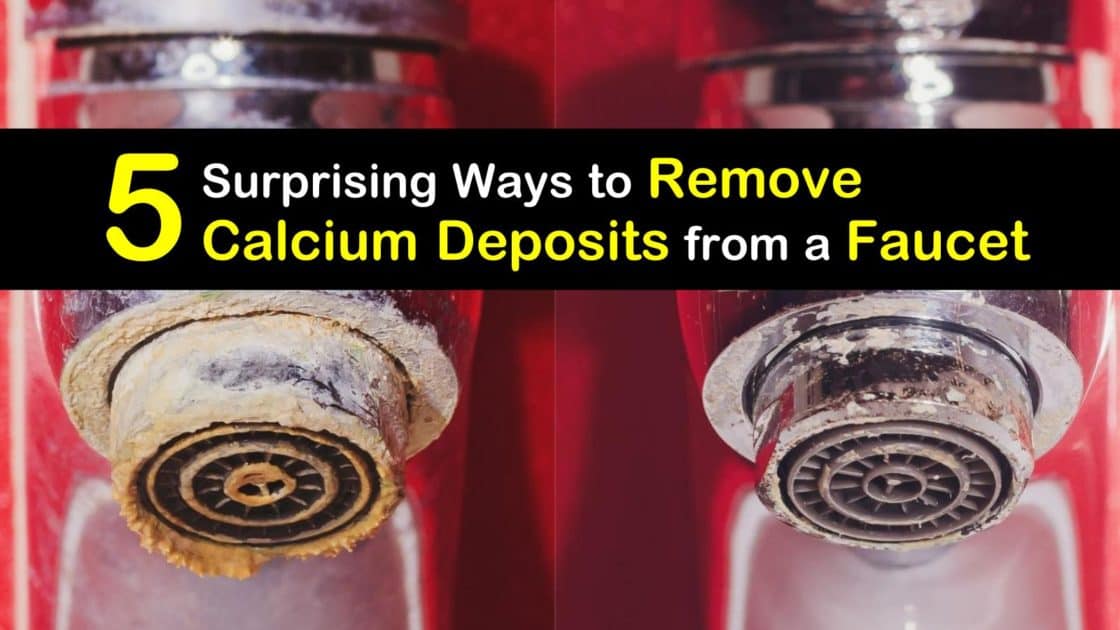 Removing Calcium Deposits From Glass
The Lazy Person’s Secret: Just Boil Water
Believe it or not, plain water can be a weapon. For buildup on glass cookware or stainless steel, fill the item with water, bring it to a boil, and add a tablespoon of vinegar. The heat loosens the calcium’s grip like a bad hug. After five minutes of boiling, dump the water and wipe clean. No scrubbing, no crying, no calling your plumber in a panic.
One time, I did this with a kettle so crusty that it looked like a geode. After the boiling trick, I tapped it twice, and a whole chip of mineral scale fell out. It sounded like a tiny rock hitting a ceramic sink. I felt like a wizard—a wizard with a sour-smelling kitchen.
A Final Surprising Fact (Because You Deserve It)
Did you know that calcium buildup isn’t just a human problem? Birds get this too—pet owners use special solutions to clean calcium off bird baths. So the next time you see a pigeon drinking from a crusty fountain, you can say, “I feel your pain, feathered friend.”
Finally, remember this: if you ever have a buildup so thick that vinegar and lemon fail, don’t panic. You can buy a commercial descaler at the store, but that’s like hiring a hitman when a stern talking-to would do. Stick with vinegar, lemon, and boiling water. Your faucets will sparkle, your coffee will taste like victory, and you’ll never look at a white, crusty blob the same way again.
Now go forth, my friend, and descale. Your pipes—and your morning coffee—will thank you.
