How To Turn Off Water Softener

So, your water softener is humming along, doing its salty magic. But now you need it to stop. Maybe you’re refilling the salt. Maybe you’re moving. Or maybe you just want to f...

So, your water softener is humming along, doing its salty magic. But now you need it to stop. Maybe you’re refilling the salt. Maybe you’re moving. Or maybe you just want to feel like a rebellious plumber. Whatever the reason, turning off a water softener is oddly satisfying. It’s like hitting pause on a tiny, thirsty robot.
Why You’d Even Bother?
First, let’s talk about why you’d turn this thing off. You’re not just being lazy. Maybe you’re going on vacation. Do you really want that machine cycling salt water while you’re sipping piña coladas? No way. Turn it off to save salt and water.
Another reason: repairs. If a hose springs a leak, you don’t want a salty flood in your basement. And here’s a quirky fact: some people turn their softeners off when watering plants. Softened water has too much sodium for your garden. Your petunias will thank you for the break.
Must Read
The Big Two: The Bypass Valve vs. The Unplug
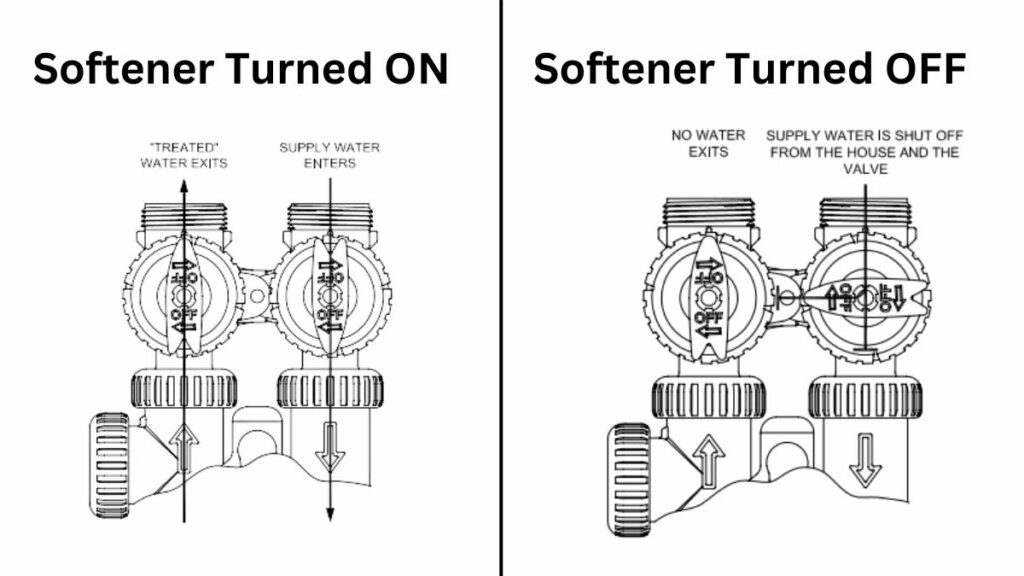
There are two main ways to shut it down. One is elegant. The other is brute force. Let’s start with the elegant method: the bypass valve. This is a little lever or knob near the top of the unit. It’s usually blue, red, or metallic. Turn it 90 degrees, and poof, you’ve diverted the water. It’s like flipping a switch on a mini dam.
If you can’t find a bypass valve, don’t panic. You can just unplug the machine. That stops the timer and the regeneration cycle. But your water will still flow through the softener tank. It just won’t be “softened” anymore. Think of it as letting the water take a wild, untreated ride.
Step One: Find Your Beast
First, locate your water softener. It’s usually in the basement, garage, or a creepy closet. Look for a big, white or beige cylinder next to a plastic barrel of salt. It looks like a sci-fi prop from a 1980s movie. Give it a friendly pat. It’s about to go on strike.
Now, find the control panel. It’s the brain of the operation. It might have buttons that say “Regen” or “Timer.” Ignore those for now. You’re looking for a physical valve or a power cord. If you see a cord, you know the brute force plan is an option.
Step Two: The Valve Flip (If You Have One)
Okay, here’s the fun part. Locate the bypass valve. It’s usually on a black or brass bridge connecting the pipes. It might have a handle like a tiny steering wheel. Turn it slowly. You’ll feel a click or a stop when it’s fully engaged. You’ve just told the water: “No salt allowed!”
 How to Remove a Water Softener | Angi
After you flip it, run your kitchen faucet for a minute. Fill a glass with water. Taste it. Does it taste differently? Hard water has a minerally, clean taste. Softened water feels a bit slippery. You’re now tasting the difference. It’s a tiny science experiment in your glass.
Step Three: The Unplug (The Lazy Genius Way)
No bypass valve? No problem. Find the power cord. It usually plugs into a standard wall outlet. Just pull the plug. The machine goes silent. The display goes dark. It’s like putting a computer to sleep. But remember: the water inside the tank is still there. It’s just not doing its salt-magic.
Here’s a funny detail: if you leave it unplugged for a long time, the resin beads inside can get funky. They’re like tiny sponges that need a salt bath every few days. If you go on vacation for a month, unplugging is fine. But for a year? You might need to clean the beads later. Don’t worry, it’s not your problem today.
What Happens Next? The Wild World of Hard Water
Once you turn it off, your life changes. Your soap won’t lather as well. Your hair might feel squeaky. That’s hard water doing its thing. It’s full of calcium and magnesium. Some people love it. It makes coffee taste better. It’s also better for your skin if you have allergies.
Your water heater might work a little harder. Hard water causes mineral buildup inside pipes. It’s not a crisis, but over years, it matters. Funny fact: hard water leaves white spots on your dishes. They look like winter mornings. Some people call it “glass rain.” I call it a reminder that your softener is on break.
 How To Turn Off Water Softener? (& When) - Aqua Professor
Turning It Back On Is Even Easier
When you’re ready to return to soft water, just reverse the steps. Plug it back in. Or turn the bypass valve back. Wait for the “Regen” cycle. Some machines do it automatically. Others need you to press a button. It’s like waking up a grumpy bear. Give it two hours, and your water will feel slippery again.
One last quirky tip: if your house has a “whole house” system, bypassing it affects every tap. But some systems have a bypass just for the outdoor spigot. That’s smart. You can water your roses with hard water while your shower water stays soft. Fancy, right?
The Real Takeaway
Turning off a water softener is not rocket science. It’s a two-minute DIY that makes you feel like a home hero. You now know the secret handshake of the plumbing world. Embrace the power. Next time your friend complains about their softener, you can say, “Just flip the bypass valve.” They’ll think you’re a wizard.
So go ahead. Give that salty cylinder a break. Let your water be a little wild for a while. It’s good for the plants, good for the coffee, and honestly? It’s just plain fun to play with the switches. Just don’t forget to turn it back on before your next shower. Your skin will thank you.
Now go forth and plumb like a boss.
