Why Is My Faucet Water Yellow

So, you turn on your kitchen faucet, and out pours a stream that looks suspiciously like iced tea. Your first thought? Panic. Your second? “Did someone dye my pipes for a pran...
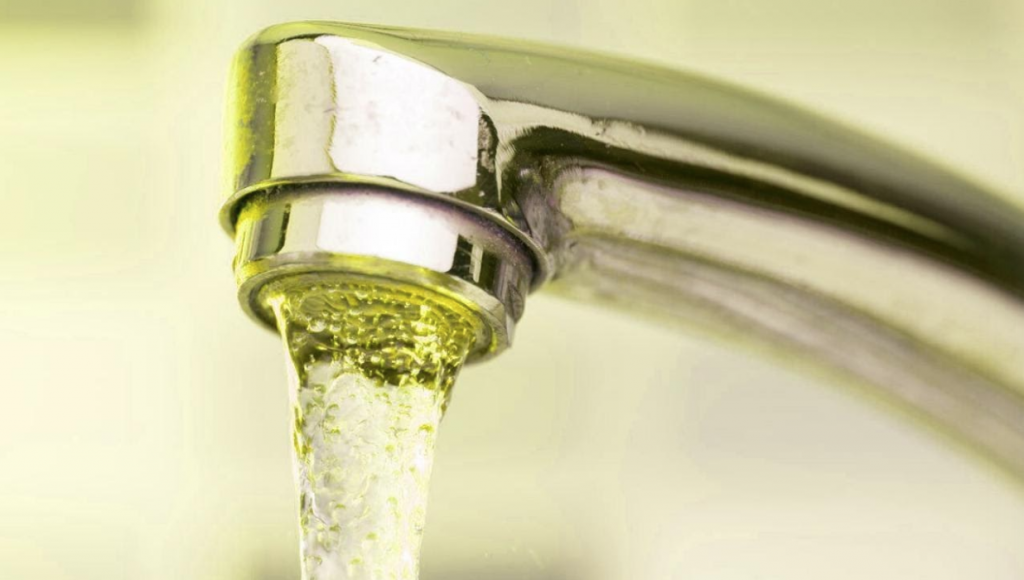
So, you turn on your kitchen faucet, and out pours a stream that looks suspiciously like iced tea. Your first thought? Panic. Your second? “Did someone dye my pipes for a prank?” You’re not alone, and the answer is way less dramatic—and actually pretty interesting.
Let’s be real: yellow water looks alarming. But I promise, most of the time, it’s nothing to lose sleep over. In fact, it might just make you feel like a home detective. And who doesn’t love a good mystery?
The Usual Suspects: Rust and Minerals
The most common culprit is rust from old iron or galvanized steel pipes. Think of it as your plumbing’s version of a slight tan. When a water main gets flushed by your utility company, it stirs up sediment that settles in the pipes.
Must Read
Or, maybe your own home’s aging pipes are slowly releasing iron particles. The good news? It’s not poisonous—it’s just unsightly. “But I wanted clear water, not a science experiment,” you say. I hear you, and we’ll fix that.
Another Quick Fix: Your Water Heater
Sometimes the yellow tint comes from your water heater. If it hasn’t been flushed in a while, mineral deposits can discolor your hot water. Tests? Turn on only the cold water for a minute. If it’s clear, your heater is the star of this show.
Flushing it out is actually a satisfying DIY project. Seriously—watching murky water clear up feels like magic. Plus, you’ll save energy and extend your heater’s life. Win-win.
What if It’s Something Weirder?
Every so often, yellow water comes from organic matter like leaves or dirt in the main supply. It’s gross to think about, but it’s usually harmless. Cities treat water thoroughly, but occasional discoloration happens after heavy rain or fire hydrant testing.
Think of it as nature’s way of reminding you that water comes from rivers and lakes, not a magical invisible factory. It’s a humble, honest color—if a bit off-putting in your glass.
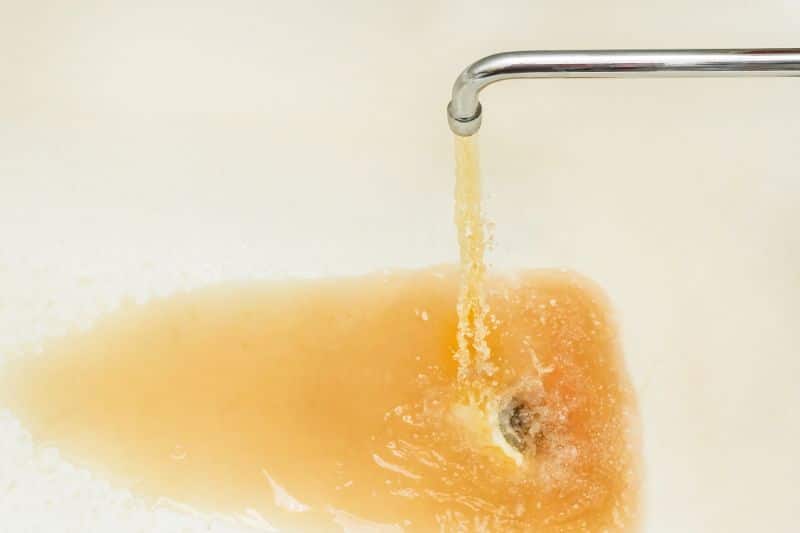 Why is My Water Yellow? What Can I Do to Fix It?
A Real-World Test: The “White Towel Trick”
Want to feel like a scientist for ten seconds? Grab a clean white towel or paper towel. Pour a little of your yellow water over it. If it leaves an orange or brown stain, that’s iron (rust). If it doesn’t, it’s likely organic sediment.
Now you have a clue. And clues make life feel just a little bit more like an adventure. “Elementary, my dear Watson,” you’ll whisper to your faucet.
How to Solve It (Without Losing Your Sanity)
First, run your cold water for 5–10 minutes. Let all the taps—including your bathtub—run wide open. This flushes out settled sediment. It feels wasteful, but it works like a charm.
Second, call your water utility company. They’re used to these calls, and they’ll tell you if they’ve done work nearby. Bonus: you’ll sound super responsible and informed. “I’m calling about the color of my water,” you’ll say. “I suspect it’s from main flushing.” They’ll be impressed.
When to Actually Care
Look, yellow water is rarely a health emergency. But if it smells like bleach or metallic pennies, stop drinking it and call a plumber. Also, if it’s rusty AND your water pressure has dropped, you might have a leak. Leaks are the exception to the “no big deal” rule.
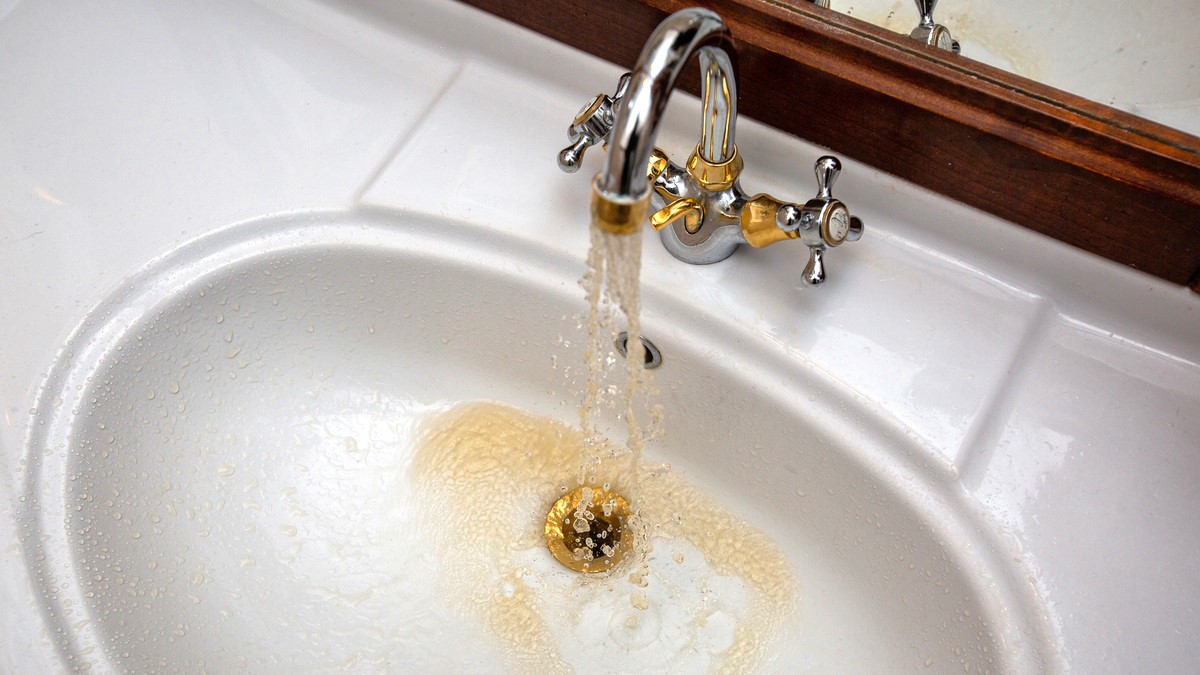 Why Is Yellow Water Coming Out Of My Nose at Greg Howell blog
Otherwise? You’re basically looking at a mineral-rich cocktail that your ancestors would have called “normal.” They didn’t have clear, perfect water, and they lived to brag about it.
The Big, Uplifting Picture
Here’s the thing: learning about your yellow water means you’re paying attention to the world around you. You’re not just accepting the weirdness—you’re asking “Why?” And that curiosity is what makes life fun.
Water is never just H2O. It carries histories of rocks, pipes, storms, and the people who maintain them. A little yellow tint is just a story your plumbing is telling you. “I’m old,” it says. “I have minerals,” it says. “I’m still working for you.”
So next time you see that tea-colored stream, smile. You now have a tiny adventure—a puzzle to solve, a system to understand. And once it clears up (and it will), you’ll feel a little more connected to the hidden world inside your own walls.
Go ahead, be curious. Your faucet is only the beginning of the best kind of learning: the kind that makes you feel like the hero of your own home.
