What Does Water Hardness Mean

Ever feel like your soap just won’t lather? Or maybe you’ve noticed white, crusty flakes on your shiny faucets. That, my friend, is the sneaky world of water hardness in actio...
Ever feel like your soap just won’t lather? Or maybe you’ve noticed white, crusty flakes on your shiny faucets. That, my friend, is the sneaky world of water hardness in action.
Think of hard water as water that’s been on a road trip through limestone and chalk. It picks up minerals like calcium and magnesium along the way, like souvenirs it can’t stop showing off.
What Exactly Is Water Hardness?
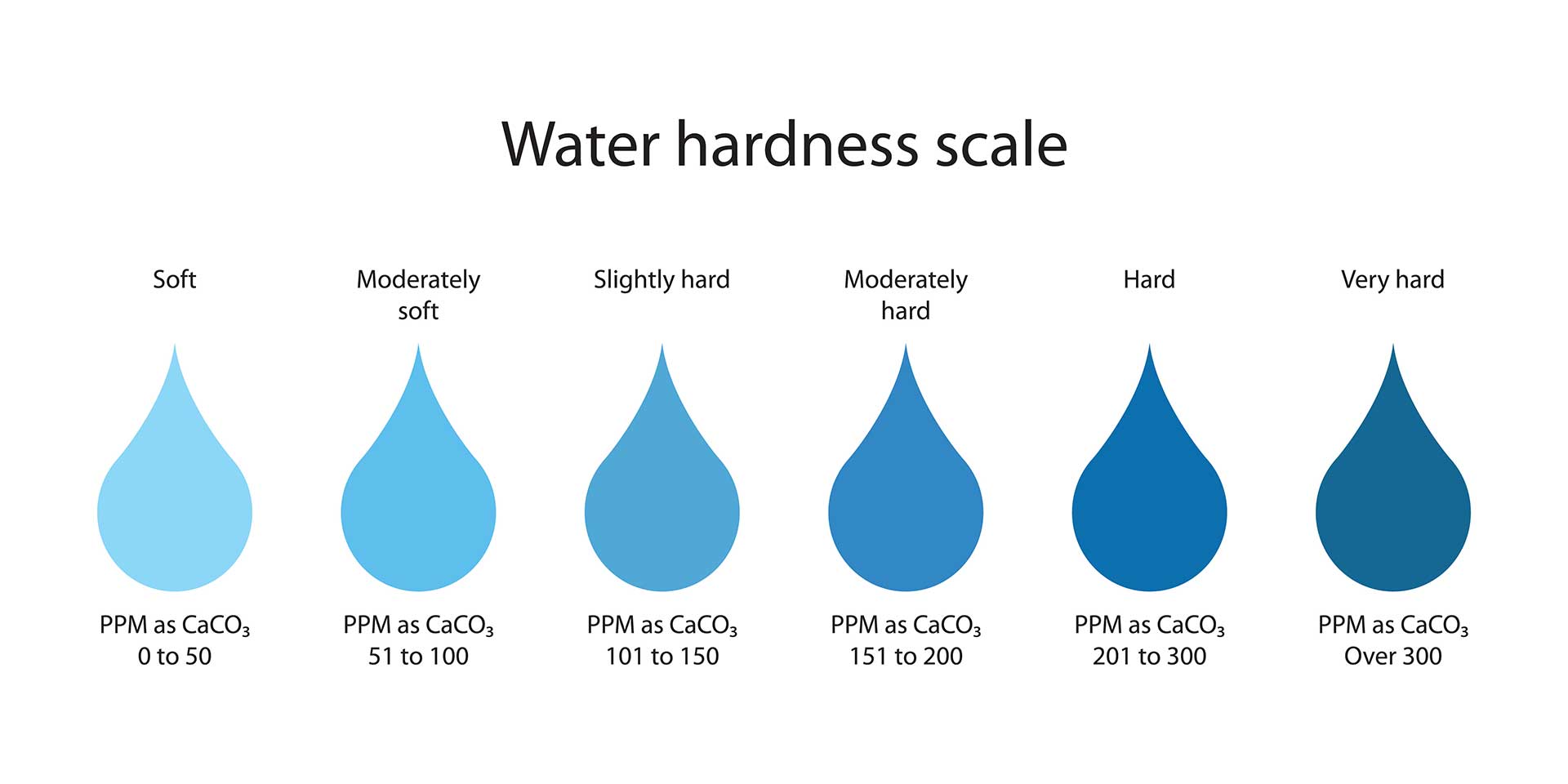
It’s simply a measure of how much dissolved calcium and magnesium is in your water. The more there is, the “harder” your water is. If there’s very little, we call it soft water.
Must Read
Imagine making a cup of tea with hard water. You might see a weird, oily film floating on top—that’s the minerals throwing a party with your tea. Soft water gives you a clear, beautiful brew, just as nature intended.
Hard water isn’t dangerous to drink—it’s perfectly safe. But it’s a bit like that friend who’s a blast but leaves a mess everywhere. It’s the effects that really get under your skin.
Your Bathroom’s Worst Enemy
You know that squeaky-clean feeling after washing with soft water? With hard water, you feel a sticky residue instead. That’s because the soap reacts with the minerals to form a curd, like a tiny scum blanket.
This soap scum is why your shower doors get that foggy, cloudy look. It’s also why your hair can feel dull and brittle after a wash, no matter how expensive your conditioner is.
And the worst part? That white buildup on your faucets and in your kettle? That’s scale, the hardened mineral crust. It’s like your appliances are slowly forming their own little limestone caves.
The Laundry Room Struggle
Have you noticed your white t-shirts looking grey after a few washes? Hard water can make your detergent less effective, so dirt clings to the fabric. You end up using more soap, but getting less clean.
Colored clothes can fade faster too. The minerals in hard water literally beat the dye out of your favorite jeans—it’s a silent culprit behind that worn-out look you didn’t ask for.
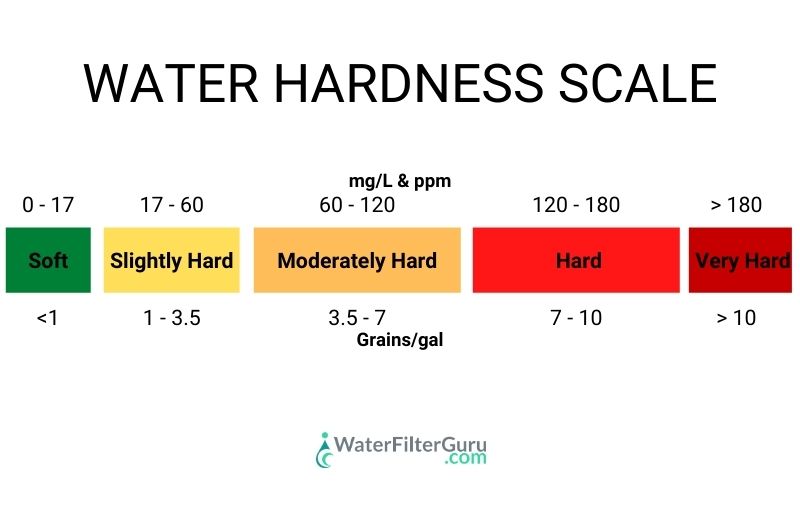 Water Hardness Measurement Scale at Harvey Rosas blog
Your washing machine also suffers. Scale builds up inside the heating element, making it work harder and use more energy. It’s like your machine is running a marathon in heavy boots.
Why Should You Actually Care?
Because it affects your pocketbook. Hard water means you buy more soap, shampoo, and detergent. It means your appliances—water heater, dishwasher, coffee maker—burn out faster and cost more to repair.
It also takes a toll on your comfort. That dry, itchy skin after a shower? Hard water can strip your skin’s natural oils, leaving it irritated. Your morning coffee might taste a little off too.
Think of your pipes like arteries. Scale builds up slowly over years, narrowing the passageway and reducing water pressure. It’s a silent, creeping problem you won’t notice until it’s a pricey fix.
The Great Taste Test
Some folks swear they can taste hard water. It can have a slightly metallic or chalky flavor. Soft water just tastes clean and pure—it lets the flavor of your drink shine through.
I remember my aunt visiting from a soft-water town. She took one sip of our tap water and said, “This tastes like a rock licked a penny.” She wasn’t wrong. Hard water is an acquired taste nobody asked for.
If you’ve ever wondered why restaurant iced tea tastes so good, it’s often because they use filtered or softened water. Water quality is the secret ingredient in everything you cook and drink.
How Do You Know If You Have It?
Look for the clues. Soap that doesn’t lather. Spots on your glasses after they dry. A filmy ring around your bathtub. These are hard water’s calling cards.
 How to Measure Hardness in Water: Simple Methods Explained
You can buy a simple test kit at a hardware store for a few bucks. Or just check with your local water utility—they often publish hardness levels for your area. Some places are naturally harder than others.
If your area is known for “hard water country,” you’re not alone. Millions of homes deal with it. The good news is it’s totally fixable with a water softener.
The Softening Solution
A water softener is basically a machine that swaps out calcium and magnesium for sodium or potassium. It’s like giving your water a mineral detox. The result is smooth, silky water you’ll fall in love with.
Once you go soft, you notice the difference everywhere. Your skin feels supple. Your dishes sparkle without spots. Your hair actually bounces. It’s a small change that feels like a luxury upgrade.
Honestly, after living with soft water, you’ll never want to go back. It’s like switching from dial-up internet to fiber optic—you didn’t realize how much better it could be.
A Final Friendly Nudge
You don’t need to become a water chemistry expert. Just pay attention to how your home feels. If you’re scrubbing scale off faucets every week, that’s a sign.
Caring about water hardness isn’t just about saving pennies on soap. It’s about treating your home, your skin, and your morning coffee with a little more kindness. Your future self will thank you.
So next time you see that white crust on your kettle, give it a wink. Now you know its secret. Hard water is just water that took a scenic route through the mountains—charming, but a bit of a hassle.
