How Much To Empty Septic Tank

Let’s be honest: talking about your septic tank is about as fun as discussing your taxes or that weird noise your car makes. But ignoring it is like forgetting to take out the...

Let’s be honest: talking about your septic tank is about as fun as discussing your taxes or that weird noise your car makes. But ignoring it is like forgetting to take out the trash—until the smell invades your living room. The question on every homeowner’s mind is simple: how much to empty septic tank? And why should you care before something really stinks?
The Price Tag: What You’re Really Paying For
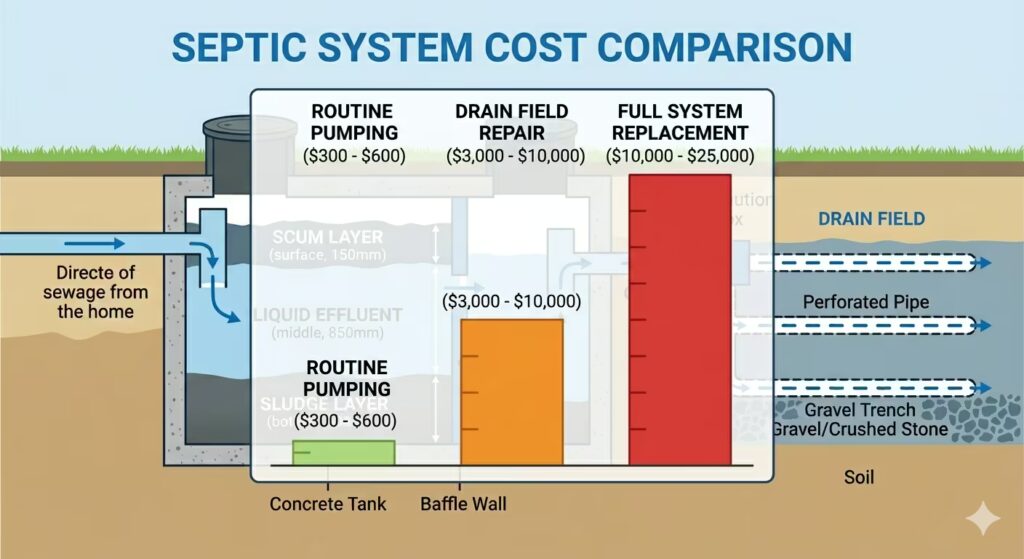
On average, pumping your septic tank costs between $250 and $600. That might sound like a chunk of change, but remember: a full tank isn’t just gross—it’s a disaster waiting to happen. Think of it like changing the oil in your car. You could skip it, but eventually, you’ll be stranded on the side of the road, waving at tow trucks. The actual price depends on where you live and how large your tank is. A 1,000-gallon tank for a family of four usually falls on the lower end, while bigger tanks or tricky access can bump it up to $800 or more.
Some companies charge extra for emergency calls or if your tank’s lid is buried under three feet of soil. Pro tip: call around for quotes, just like you would for a plumber or a pizza delivery. Don’t be shy—ask if the price includes disposal fees. Those can add another $50 to $100, so get the full story before you commit. You wouldn’t buy a burger without knowing the price of fries, right?
Must Read
Why a Full Tank Is Like a Bad Party Guest
Imagine hosting a dinner party. The sink backs up, the toilet gurgles, and a weird swamp smell drifts through the hallway. That’s your septic tank saying, “Hey, I’m full!” A neglected tank can cause raw sewage to overflow into your yard—or worse, into your basement. Trust me, cleaning that up is not a fun weekend project. Plus, if the system fails, you’re looking at repair costs of $3,000 to $10,000. Suddenly, a $400 pump seems like a bargain, doesn’t it?
Think of your septic system as a silent hero. It works 24/7, breaking down waste without any fanfare. But like a loyal dog, it needs a little care. A routine pump every 3 to 5 years keeps things flowing smoothly. If you’re a small household of two, you might stretch it to five years. Families with kids? Every three years is your sweet spot. Don’t wait for the warning signs—like slow drains or a lush, green patch over your tank (yes, that’s actually a bad sign, not good gardening).
What Affects the Cost? A Few Surprises
Size matters—the bigger your tank, the more it costs to pump. But also, access matters. If your tank is buried under a deck or behind a rose bush, you might pay extra for the crew’s effort. Imagine wrestling a hippo out of a bathtub—that’s what it feels like for the technician. Location plays a role too. Rural areas often have lower prices, while urban zones can charge a premium. A quick online search or a chat with neighbors will give you a realistic local range.
 How to Empty a Septic Tank: What Homeowners Need to Know - Home
And here’s a fun fact: some companies charge extra if you’ve never pumped your tank before. They call it a “first-time pump fee” because they expect a lot of sludge buildup. It’s like going to the dentist after five years of skipping cleanings—you’ll pay for that neglect. So treat your tank like your teeth: regular maintenance saves you pain and cash.
The “Should I DIY?” Question (Spoiler: No)
I get it—you’re handy. You fixed that leaky faucet last month. But pumping a septic tank is not a DIY job. It involves toxic gases, heavy sludge, and specialized equipment. One wrong move and you’re covered in… well, you don’t want to know. Even if you could rent a pump, the hassle isn’t worth it. Professional crews have vacuums and trucks that handle everything safely. They also know how to inspect your tank for cracks or blocked pipes—a bonus you can’t get from a rented machine.
Think of it this way: you wouldn’t perform your own root canal, no matter how sharp your drill is. Let the pros handle the dirty work. Your nose—and your neighbors—will thank you.
 How Much Does a Concrete Septic Tank Cost in 2026? | Angi
How to Save a Few Bucks (Without Skipping the Pump)
You can reduce costs by keeping the lid accessible. Mark its location with a stake or a rock so the crew doesn’t waste time digging. Also, pump during off-peak seasons. Spring and fall are busy, but winter? Some companies offer discounts to keep their trucks rolling. Ask around—you might snag a deal. And always, always get a written estimate. Verbal quotes can change faster than your mood on Monday morning.
Consider joining a maintenance plan if your local company offers one. For a small annual fee, they’ll remind you when it’s time to pump and sometimes give you a discount. It’s like a subscription for peace of mind—no surprises, no swampy smells. Plus, you’ll feel like a responsible adult, which is a rare feeling these days.
The Emotional Payoff: Why You’ll Sleep Better
When you finally schedule that pump, you’re not just paying for a service—you’re buying confidence. Confidence that your morning shower won’t flood the bathroom. Confidence that your backyard won’t become a biohazard. It’s a small investment for a huge relief, like buying a good umbrella before a storm. Your home is your sanctuary, not a science experiment gone wrong.
So go ahead, call that septic company. Embrace the awkward conversation about waste management. Your tank is the unsung hero of your household—it deserves a little love. And when the job is done, crack open a cold drink, sit on your porch, and breathe easy. No weird smells, no gurgling toilets, just the sweet, clean air of a homeowner who knows how much to empty septic tank—and why it’s worth every penny.
