How To Test Water Pump In Car

You know that feeling when you’re running late for a dentist appointment, and your coffeemaker just sputters and gives you a sad half-cup? That’s basically what a bad water pu...

You know that feeling when you’re running late for a dentist appointment, and your coffeemaker just sputters and gives you a sad half-cup? That’s basically what a bad water pump does to your car—but with way more expensive consequences. The water pump is the heart of your engine’s cooling system, pushing coolant around like a busy waiter on a Saturday night. When it gives up, your engine can overheat faster than a potato in a microwave without a timer.
So, why should you, a perfectly normal human who just wants to get to work and back, care about testing your water pump? Because catching a failing pump early can save you from a roadside meltdown and a repair bill that looks like a small vacation budget. It’s like checking the batteries in your smoke detector—a little boring, but it keeps your house from burning down.
The "Look and Listen" Test
Let’s start with the easiest test: your ears. When the engine is running and warm, pop the hood (careful, things are hot!) and listen for a whining, grinding, or chirping sound that’s not your radio. It’s like a tiny, angry cricket living near your engine. A healthy water pump is almost silent, so any noise is a red flag.
Must Read
Now, look at the front of the pump, where the pulley and belt meet. Do you see any coolant leaks—maybe a green, pink, or orange puddle under the car, or a crusty deposit around the pump’s seal? That’s like finding a puddle under the fridge; it means something’s not sealing right. Leaks are the number one sign your pump is waving a white flag.
The "Wiggle and Squeeze" Check
This next part feels a bit like playing doctor with your car. With the engine off and cool, gently grab the water pump pulley and try to wiggle it up and down. If it moves more than a tiny bit, the bearing inside is shot. Think of a wobbly doorknob that’s about to fall off—same idea, but with hot coolant flying everywhere.
While you’re there, give the serpentine belt a little squeeze. It should feel firm, not loose or cracked like an old garden hose. A slipping belt can make the pump spin unevenly, which is like pedaling a bike with a loose chain—it won’t end well. If the belt looks frayed or you can easily push it down an inch, that’s another clue.
 How To Test Water Pump In Car
The "Temperature Gauge" Story
Your dashboard’s temperature gauge is basically your car’s mood ring. If you’re driving and see the needle creep toward the red zone (especially after a long uphill or in traffic), your water pump might be struggling. It’s like when you’re running a fever—your engine is telling you it’s not feeling well. Catch this early, and you might just need a pump; ignore it, and you’re looking at a blown head gasket.
Don’t confuse this with a quick spike from a stuck thermostat, but if the temp rises slowly and steadily on a cool day, suspect the pump. It’s the difference between a sudden panic attack and a slow, grinding worry—both bad, but one gives you more time to act.
When to Call in the Cavalry
If you’ve done these tests and spotted a leak, heard a warble, or felt a wobbly pulley, it’s time to get your hands dirty—or call a mechanic. Replacing a water pump isn’t a weekend project for everyone; it can involve draining coolant, removing belts, and swearing at rusty bolts. But if you’re a YouTube hero who loves a challenge, go for it! Just remember: coolant is toxic, so keep it away from kids and pets.
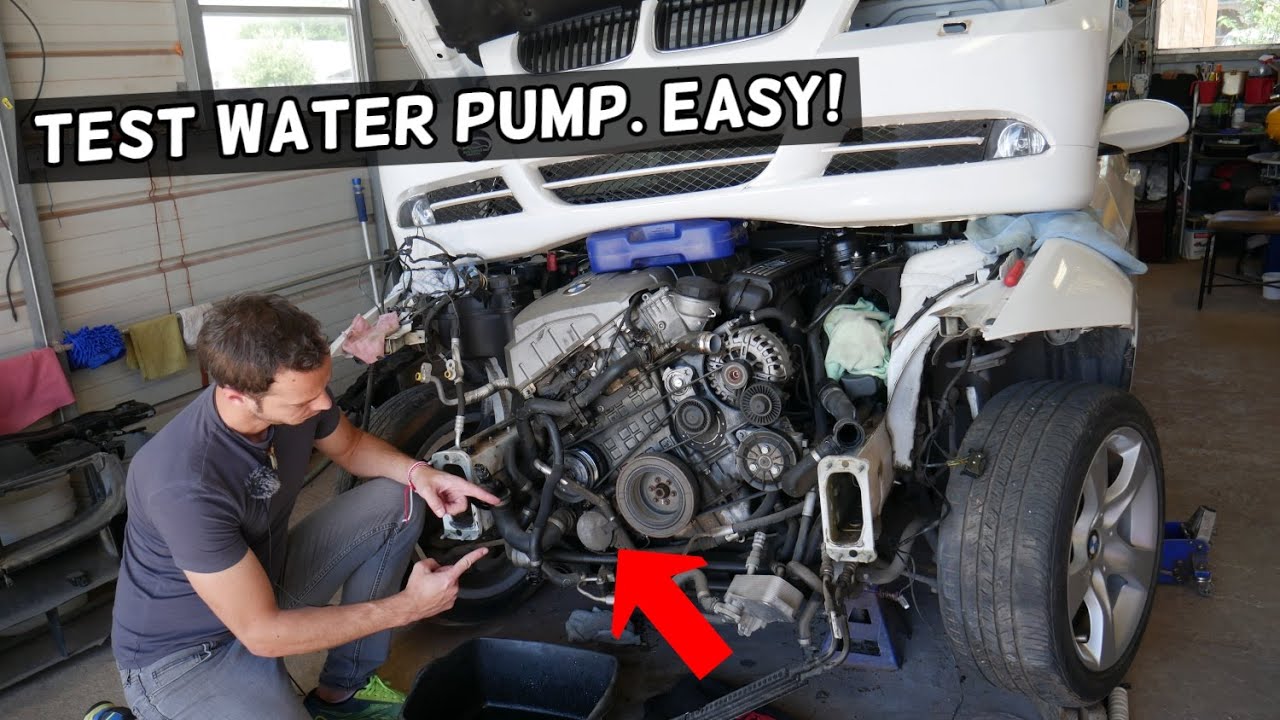 How To Test Water Pump On Bmw
Most everyday folks should just watch for the signs and act fast. A new pump and a couple of hours of labor is way cheaper than a new engine. Think of it like brushing your teeth: a little routine care prevents a whole lot of pain later.
The Bottom Line
Testing your water pump isn’t about becoming a master mechanic. It’s about being a good friend to your car—listening to its grumbles, checking its vital signs, and knowing when to get help. Next time you’re filling up with gas, just pop the hood for thirty seconds. Look for leaks, listen for noises, and give that belt a gentle wiggle. You might feel a little silly, but your car will thank you by not leaving you stranded in the baking sun on a Tuesday afternoon.
And if you ignore these signs and your engine overheats? Well, you’ll have a great story about the time your car turned into a steam locomotive. But trust me, you’d rather have a boring story about testing a water pump over a cup of coffee. Your future self—and your wallet—will high-five you.
