How To Remove Calcium Deposit

So, picture this: I’m staring at my coffee maker, the one I’ve lovingly nicknamed “Brew-tus,” and I notice a white, crusty ring forming around the heating element. It looked l...

So, picture this: I’m staring at my coffee maker, the one I’ve lovingly nicknamed “Brew-tus,” and I notice a white, crusty ring forming around the heating element. It looked like a tiny, sad, mineral wedding band. I thought, “Is this thing trying to grow its own little stalactite?” Turns out, that’s calcium deposit—a fancy name for the chalky bully left behind by hard water.
You’ve probably met this bully at your sink, your showerhead, or that kettle you swear you just cleaned. It’s not dangerous, but it’s stubborn, kinda like that one friend who always insists “one more round” at karaoke. And if left alone, it can wreck your appliances. So, let’s talk about evicting it.
Why Calcium Deposit Is Such a Pain
First, let’s get one thing straight: calcium isn’t evil—it’s just clingy. When water evaporates, the minerals stay behind, building up into that rough, white crust. It loves hiding in places where water sits or flows, like faucets, shower doors, and your beloved coffee maker.
Must Read
I ignored it once, and my showerhead started acting like a diva—spraying water in random directions like a broken sprinkler. That’s when I realized: this stuff doesn’t just look ugly; it clogs things. So, if you want your gadgets to live long, healthy lives, you’ve got to fight back.
The Acid Test: Vinegar to the Rescue
The cheapest, most effective weapon? White vinegar. It’s not glamorous, I know. You probably have a bottle under the sink collecting dust, but it’s magic. Vinegar is acidic, and calcium is alkaline, so they cancel each other out like a messy breakup.
For a kettle or coffee maker, mix equal parts water and vinegar, run a full cycle, then let it sit for 20-30 minutes. It’ll smell like a sad chip shop, but stay with me. Afterward, run two or three cycles of plain water to rinse. Your coffee will thank you—no more chalky latte surprises.
Pro tip: “Don’t boil just vinegar.” That’s a recipe for a stinky house fire. Always dilute it, and open a window unless you enjoy the aroma of pickled despair. (I learned this the hard way.)
Dealing with Faucets and Showerheads
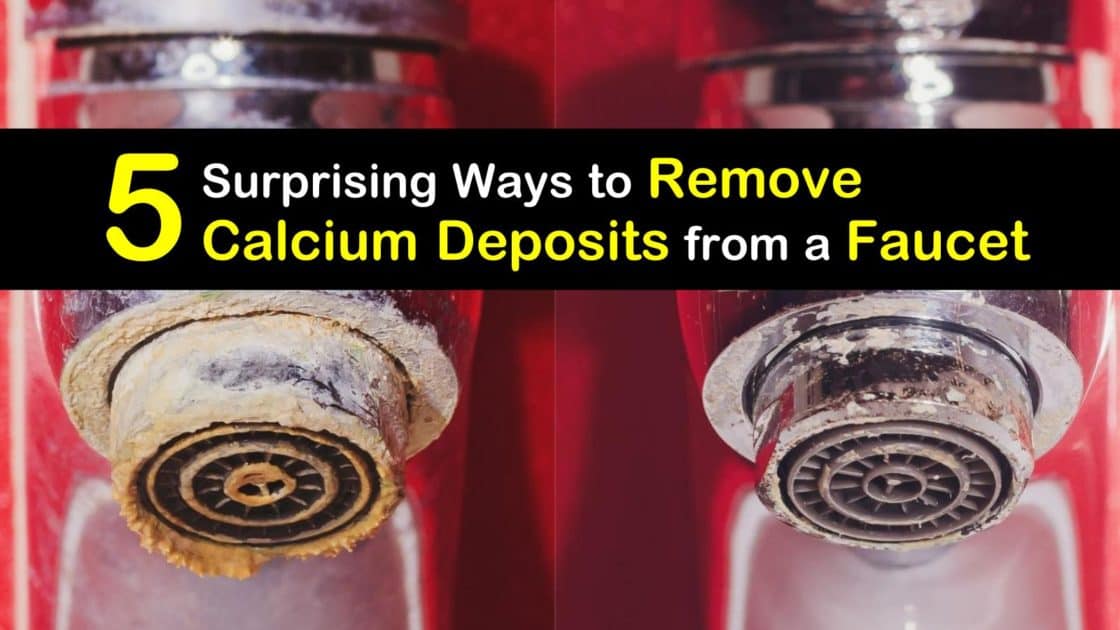
For a faucet, soak a paper towel or a cloth rag in vinegar and wrap it around the nozzle. Hold it in place with a rubber band or tape—MacGyver-style. Let it sit for an hour, then scrub with an old toothbrush. The deposit should flake off like a bad skin day.
 Removing Calcium Deposits From Glass
If your showerhead is detachable, submerge it in a bowl of vinegar-water mix overnight. That’s a bit like sending it to a spa, just a really sour one. In the morning, rinse and scrub—your shower will spray like it’s training for a fire hose competition.
And if you have glass shower doors? Spray a vinegar-water mix, let it sit for 10 minutes, then wipe with a microfiber cloth. Avoid paper towels—they leave lint. Trust me, lint on glass is a whole new headache you don’t need.
For the Stubborn Cases
Sometimes, vinegar isn’t enough—especially if the deposit has been there since the Nixon administration. Enter citric acid powder. You can find it in the canning or bulk section of a grocery store. Mix a tablespoon in a cup of hot water, apply, and watch the deposit fizz—it’s like science class, but for your sink.
Another heavy hitter? Lemon juice. It’s milder than citric acid but smells better. Rub a lemon slice directly on a faucet, let it sit, and scrub. You’ll feel like a fancy barista who also cleans toilets. Multitasking!
Whatever you use, avoid steel wool or harsh scouring pads—they’ll scratch metal and ceramic. Stick to a soft cloth or a sponge. Your fixtures aren’t barbarians; they deserve gentle but firm persuasion.
:max_bytes(150000):strip_icc()/how-to-remove-calcium-deposits-from-a-showerhead-1388730-ADD-FINAL-c256921402fd4413b7d1c05102e5737a.jpg) How to Remove Calcium Deposits From a Shower Head
How to Remove Calcium Deposits From a Shower Head
Prevention: The Secret Sauce
I won’t pretend—removing calcium is a chore. So, let’s talk prevention because nobody wants a weekly vinegar bath ritual. A water softener is the nuclear option—it filters out calcium before it reaches your pipes. But if you rent or have a budget, there’s a simpler trick: wipe down surfaces after use.
Yes, run a squeegee over your shower door after every shower. I know, it’s boring, but it takes 10 seconds. Alternatively, install a magnetic showerhead filter—they’re cheap and reduce mineral buildup. I got one, and my coffee maker’s been deposit-free for three months. Three. Months. That’s a victory lap in my book.
Also, boil water with a splash of vinegar once a month in your kettle. It smells silly, but it stops the calcium from crusting up. Think of it as a friendly reminder: “Hey, don’t forget I’m here.”
One Last Thing
Look, calcium deposit isn’t a sign you’re a bad housekeeper—it’s just a side effect of living in a world with hard water. You can’t always change the water, but you can outsmart the minerals. And if you accidentally spill vinegar on your counter? Just wipe it. It’s the smell of progress.
So, go ahead—attack that faucet, rescue your coffee maker, and reclaim your showerhead. Your appliances will sing your praises (or at least not choke on chalk). And if anyone questions your vinegar obsession, tell them you’re on a mineral-eviction mission. You’re welcome.
