How To Find My Water Supplier

Ever wonder where your tap water actually comes from? It’s one of those things we use every single day without a second thought. Turn on the faucet, and magic happens, right?...

Ever wonder where your tap water actually comes from? It’s one of those things we use every single day without a second thought. Turn on the faucet, and magic happens, right?
But here’s the thing: it’s not magic, and it’s not just one pipe. Your water likely travels from a river, a lake, or an aquifer deep underground before it reaches your glass. Finding your specific water supplier is like being a detective for your own kitchen sink.
Why Should You Even Care?
Okay, so maybe you’re thinking, “Why does this matter?” Well, knowing your supplier tells you who is responsible for the safety and taste of your water. It’s like knowing the name of the chef who cooked your meal.
Must Read
Plus, it gives you a direct line to ask questions, report issues, or just feel more connected to your local infrastructure. Isn’t that kind of cool? You’re not just a consumer; you’re an informed citizen of your own home.
The Easiest Way: Go Digital
First, grab your phone or laptop and open your web browser. Search for “water utility” plus your city or county name.
You’ll likely find a government website with a name like “City Water Department” or “County Water Authority.” This is your supplier’s digital front door. Boom—you’ve already found them.
Most of these sites have a nifty “Who is my provider?” tool or a simple map. Just plug in your address, and it’ll spit out the name like a vending machine for information.
What About That Water Bill?
If you pay a water bill, you’ve already got the answer staring you in the face. Look at the top of the bill or the envelope—the name of the company is usually printed in bold.
It might be a private company, like a municipal utility or even a small cooperative. Each one has a different vibe, but they all share the same goal: keeping H2O flowing to your pipes.
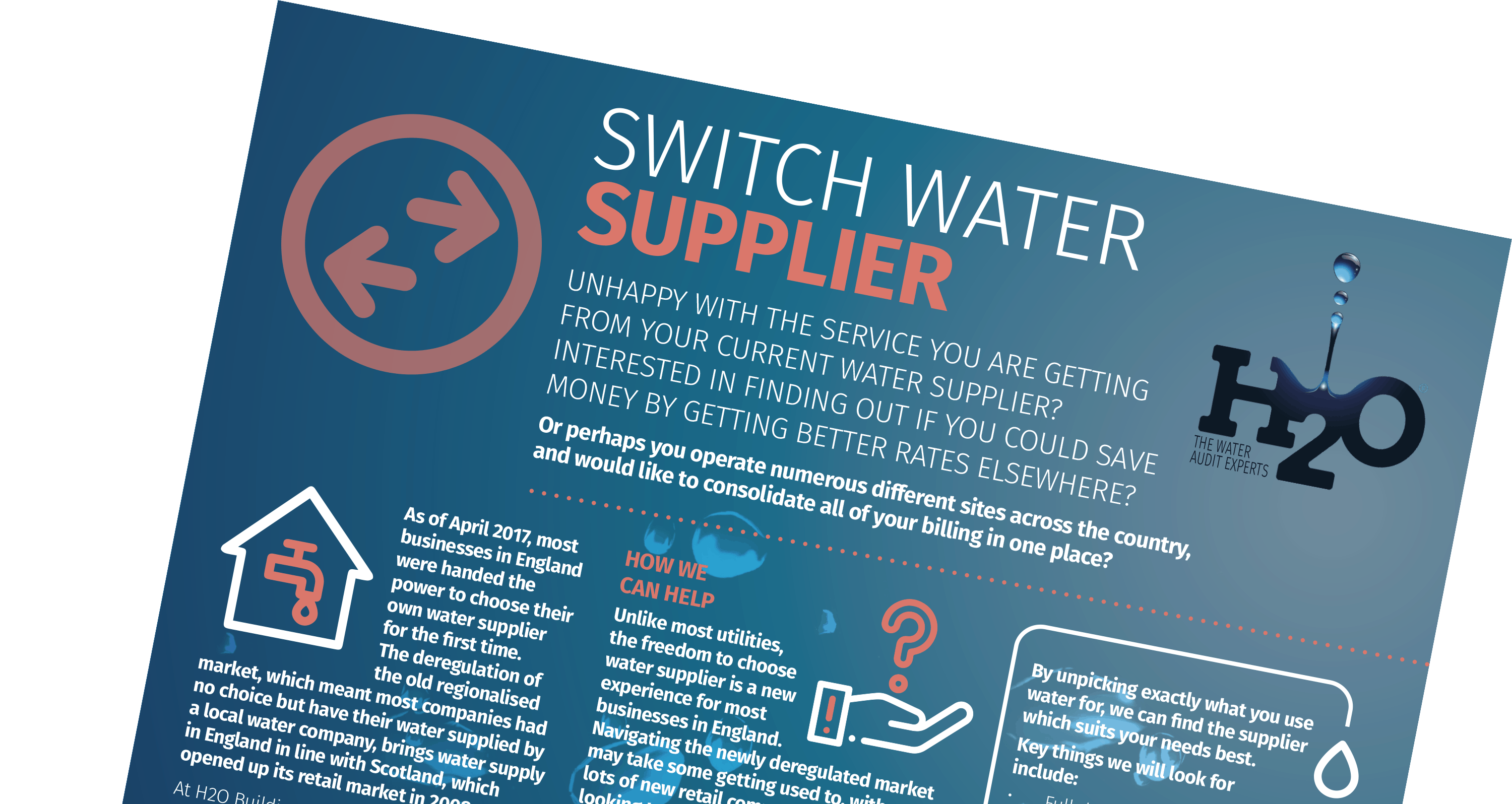 Switching Your Water Supplier for UK Businesses | H2O
No bill handy? No sweat. Call your landlord or property manager. They’ll know exactly who handles the water for your building. It’s a quick question with a super simple answer.
The Fun Part: Where Does It Actually Come From?
Once you know the supplier’s name, you can dig deeper. Visit their website and look for a section called “Source Water” or “Annual Water Quality Report.” This is the juicy stuff.
You might discover your water comes from a mountain reservoir hundreds of miles away, or from a local well right under your neighborhood. It’s like a mini geography lesson for your kitchen.
Some suppliers pull water from the Colorado River, others from the Great Lakes. That’s a trip, right? Your morning coffee is basically a sip of a whole ecosystem.
Why Is This So Cool?
Because water is the most epic, ancient traveler. It’s been around for billions of years, cycling through clouds, dirt, and dinosaurs before landing in your pipe. Knowing your supplier helps you respect that journey.
You also get to see how your provider treats the water. They use filters, chemicals, and tests to make sure it’s clean. It’s like a behind-the-scenes tour of a high-stakes chemistry lab.
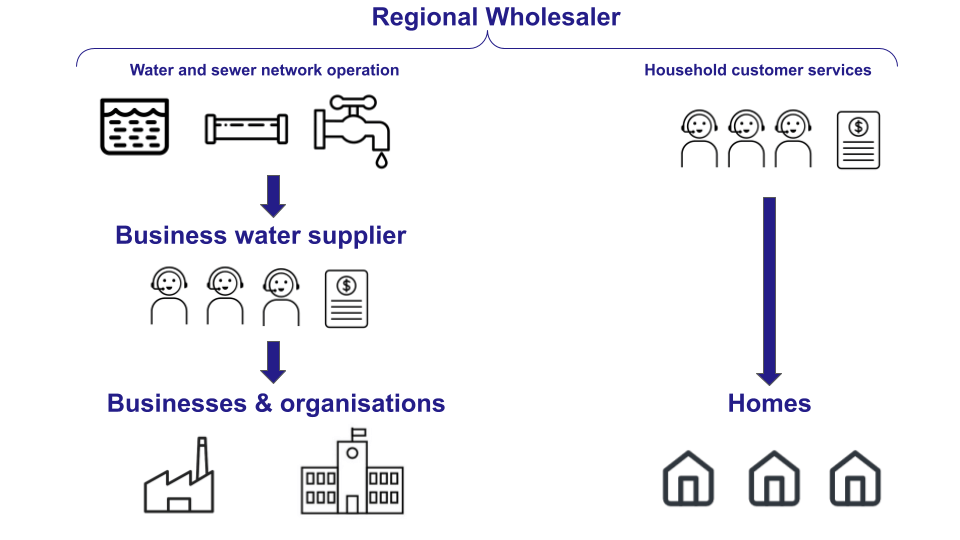 Find your water supplier
And here’s a rhetorical question for you: Would you trust a chef you never met? Probably not. So why not get familiar with the team that hydrates your life?
What If You’re on a Private Well?
Ah, the plot twist! If you don’t get a bill from a city or company, you’re your own supplier. You have a private well right on your land.
That’s actually pretty awesome—you are the CEO of your own personal water source. But it also means you are responsible for testing and treating it. No middleman.
In that case, your “supplier” is the groundwater under your feet. You can check with a local well driller or a county health department for testing tips. It’s a cool, DIY responsibility.
One Last Tip: The EPA Has Your Back
The Environmental Protection Agency (EPA) keeps a big database of public water systems. Search “EPA water supplier lookup” and type in your zip code.
This will give you the official name, contact info, and even a link to their latest water quality report. It’s like the librarian of water facts, and it’s totally free.
So, go ahead—find your supplier. It’s a small quest with a big payoff: knowing exactly who brings you the planet’s most essential resource. Your sink will thank you.
