How Does Iron Get Into Water

Ever take a sip of water and think, “Hmm, that tastes like I just licked a rusty nail”? You’re not alone. That metallic tang is the first, and most obvious, clue that iron has...
Ever take a sip of water and think, “Hmm, that tastes like I just licked a rusty nail”? You’re not alone. That metallic tang is the first, and most obvious, clue that iron has snuck its way into your glass. But how does a heavy, solid metal like iron even get into something as clear and liquid as water?
Think of it like this: water is a bit of a gossip. It travels underground, moving through layers of rock and soil, and it loves to pick up stories—or in this case, minerals. When rainwater falls and seeps into the earth, it becomes slightly acidic, like a very weak soda. This fizzy water then starts dissolving iron from the rocks, turning the metal into tiny, invisible bits that hitch a ride.
Mother Nature’s Rusty Recipe
Most of the iron in your water comes straight from the ground. It’s not a villain; it’s just the earth doing its thing. If your town gets its water from a well or groundwater, you’re basically drinking from an ancient, rocky sponge that’s been soaking up minerals for centuries.
Must Read
You can picture iron as that friend who shows up uninvited to a party—it’s everywhere. It’s in the red clay of your backyard, the dark soil at the park, and even in the dirt on your shoes. When water runs over all that, it’s almost impossible for it not to pick some up.
There’s also a cool little chemical trick at play. Water likes to play matchmaker, and it often introduces iron to oxygen. When they meet, they form rust. That’s why water from a fresh pipe might look clear, but after sitting in a glass for a bit, it can turn a hazy, reddish-brown. You’re literally watching iron oxidize right before your eyes.
The Plumbing Plot Twist
Now, let’s blame the pipes for a moment. If you live in an older house with metal plumbing, the water itself can start to eat away at the pipes from the inside. This is like having a slow-motion rust factory running right behind your walls.
Imagine your pipes as a metal straw. Every time you take a drink, a few tiny flakes of that straw rub off into your water. That’s why the first gulp in the morning often tastes stronger—the water has been sitting with the metal all night, having a long, silent conversation.
 H2o Equation
It’s not always a bad thing, though. Small amounts of iron are actually good for you! Your body needs it to carry oxygen in your blood. But nobody wants their laundry to look like they washed it in a puddle of mud, which is what iron can do to white shirts.
Why Should You Even Care?
Here’s the real talk: iron doesn’t usually make you sick, but it will ruin your morning. That orange stain in your sink, the brownish tint in your tea, or the weird metallic taste in your coffee? That’s iron being a total party pooper.
It can also be a little tricky with your appliances. Iron build-up can clog up your dishwasher, stain your toilet bowl, and even make your water heater work harder. Think of it as a slow but stubborn tenant that never pays rent and leaves red dirt everywhere.
And let’s be honest, nobody wants to pour a glass of water that looks like iced tea when it should be clear. Your guests will raise an eyebrow, and you’ll spend a minute explaining that “it’s just iron, it’s fine!” while they silently judge your sink.
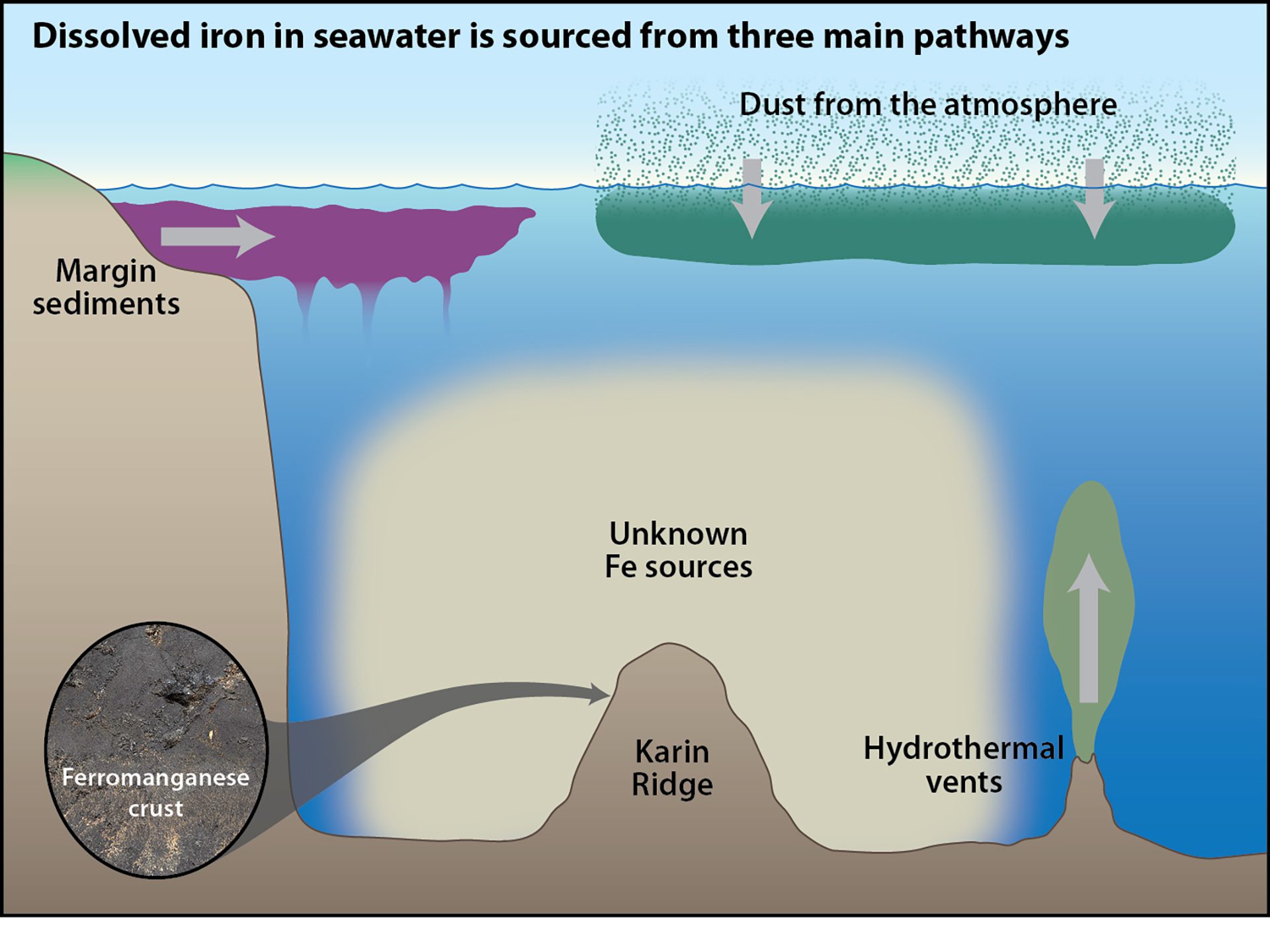 Sources of dissolved iron in seawater | Woods Hole Oceanographic
What Can You Do About It?
Don’t panic. You don’t need to move to a different planet. If you have a well, a simple water filter designed for iron can be your best friend. For city water, a call to your local utility can tell you if it’s the pipes or the source.
Boiling water won’t fix it, by the way. In fact, it makes the problem worse by concentrating the iron. So skip that old wives’ tale and invest in a filter that actually grabs the metal particles.
The good news? Iron in water is incredibly common. Millions of homes deal with it. It’s not a crisis; it’s just a quirk of nature that needs a little management—like a loud neighbor who keeps odd hours but is harmless once you know their schedule.
So next time you taste that faint hint of a rainy day in a copper pipe, just smile. You’re tasting the earth’s basement, the history of rocks, and a little bit of your own plumbing. It’s water, being its nosy, curious self, and it just had to bring a friend along.
