Zero Water Tester How To Use

Let’s be honest: most of us don’t think twice about the water that comes out of our tap. We fill up a glass, chug it down, and get on with our day. But have you ever taken a s...

Let’s be honest: most of us don’t think twice about the water that comes out of our tap. We fill up a glass, chug it down, and get on with our day. But have you ever taken a sip and thought, “Hmm, this tastes like I’m licking a metal spoon?” That’s where the Zero Water Tester comes in—a tiny gadget that acts like a truth-teller for your tap. It’s easy, it’s fun, and it might just change how you feel about your morning glass of H2O.
I remember the first time I used mine. I was skeptical, holding this little meter like it was a toy from a cereal box. But after dipping it into my tap water, the screen lit up with a number: 284. That’s parts per million, or TDS (Total Dissolved Solids). For context, that’s like having 284 tiny, invisible “guests” in every glass of water—minerals, metals, and who knows what else.
What’s the Deal with TDS Anyway?
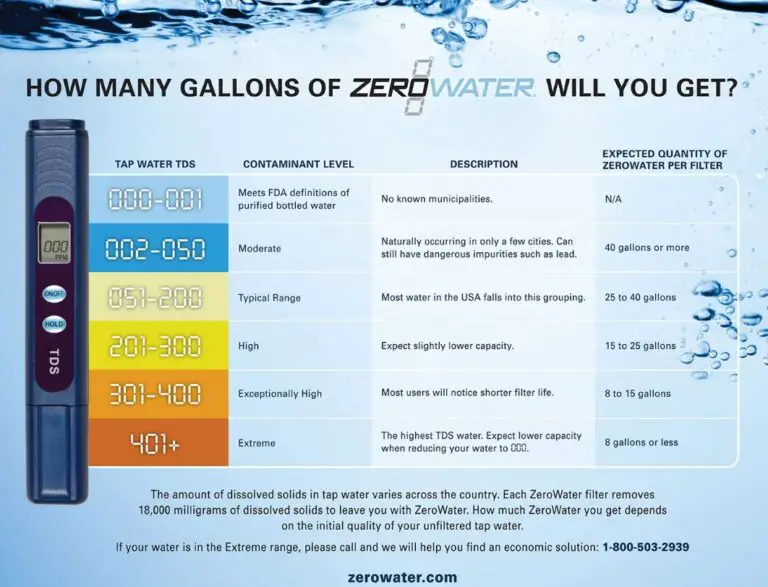
Think of TDS as the water’s “fingerprint.” It’s a measure of everything dissolved in it—good stuff like calcium, but also not-so-good stuff like lead or chlorine. A Zero Water Tester tells you exactly how many of those particles are floating around. According to the EPA, tap water in the U.S. can legally have up to 500 ppm. That’s like allowing 500 tiny crumbs in every sip.
Must Read
Why should you care? Because your tap water’s TDS score affects taste, smell, and even how your coffee turns out. High TDS can make water taste bitter or flat—like drinking from a rusty pipe. Low TDS is what you get from bottled water that feels “crisp” and clean. The tester helps you see that difference in real time.
How to Use It: No Science Degree Required
Here’s the best part: using a Zero Water Tester is simpler than making toast. Seriously. You don’t need a lab coat or a manual—just a glass of water and five seconds. Here’s how I do it every morning.
First, turn on the tester by pressing the ON/OFF button. Wait for it to show “000”—that means it’s ready. Then, dip the metal prongs at the bottom into your glass of water. Don’t submerge the whole thing; just the little metal tips. Stir it gently for a second or two.
Now look at the screen. Boom—you get a number. That’s your TDS reading. For example, if it shows 150, your water is pretty good. If it shows 450, it’s time to think about filtering. Write the number down if you’re curious, or just enjoy the moment of clarity.
Pro Tip: Test Before and After
The real magic happens when you test tap water and then test water from a Zero Water pitcher (or any high-quality filter). I tested my tap at 284, then tested water that had gone through the filter. The reading dropped to 000—zero. It felt like I was looking at a magic trick.
 How To Use Zero Water Tds at Oscar Godson blog
This little test makes you feel like a water detective. You can test the water at your friend’s house, the office, or even the water from a hotel sink. It’s a fun party trick—and a genuine way to avoid drinking what I call “scummy water.”
Why You’ll Want One in Your Kitchen
Think about your daily rituals. You make coffee—and if your water tastes weird, your morning brew tastes like dirty socks. You cook pasta—and high TDS water can make noodles gummy. Even your ice cubes get cloudy and sad. A tester helps you understand why.
Plus, there’s a satisfaction factor. Seeing a TDS reading drop from 300 to 10 after a good filter is nerdily delightful. It’s like watching your dirty laundry come out of the washing machine sparkling clean. You feel smarter, more in control, and maybe even a little smug at dinner parties.
And here’s the kicker: it’s ridiculously affordable. For the price of a couple of fancy lattes, you get a device that lasts for years. No batteries? No problem—most run on a single coin cell battery that lasts forever. It’s a low-commitment, high-reward purchase.
When to Use It (and When Not to Worry)
I use mine weekly, but not obsessively. Test your tap water once or twice a month, especially after rain or if you notice a funny smell. If your TDS is under 150, you’re in great shape. Between 150 and 300? Eh, it’s okay, but a filter might help. Over 300? That’s your cue to invest in a good pitcher or a under-sink filter.
 How Does The ZeroWater TDS Meter Work? - Water Purification Guide
Don’t panic if you see high numbers—your body can handle some minerals. But if your water tastes like a swimming pool, the tester gives you solid proof to upgrade your setup. It’s not about fear; it’s about curiosity.
A Little Story to Make You Smile
Last week, my neighbor dropped by and asked why my water “tasted better.” I pulled out the tester and showed him—his tap water read 320, while mine read 002. His jaw dropped. He literally went home and ordered a filter that same afternoon. Now we compare readings like we’re comparing fantasy football stats.
That’s the thing—this little device turns you into a water snob in the best possible way. You start noticing the difference in taste, and you stop accepting “meh” water. It’s like upgrading from instant coffee to a fresh pour-over.
Final Sip of Wisdom
Using a Zero Water Tester isn’t about being fancy. It’s about being curious about something you consume every single day. You care about the food you eat, the air you breathe—why not the water you drink? It takes five seconds, costs next to nothing, and gives you genuine peace of mind.
So grab one, dip it in your glass, and see for yourself. Your future self—and your taste buds—will thank you. Cheers to better water, one little number at a time.
