How To Bring Water To A Boil

Let’s be honest, boiling water sounds about as exciting as watching paint dry. But stay with me for a second. This simple act is the secret handshake between you and a hot mea...
Let’s be honest, boiling water sounds about as exciting as watching paint dry. But stay with me for a second. This simple act is the secret handshake between you and a hot meal, a perfect cup of tea, or even a spotless countertop. It’s the first step in so many everyday adventures.
Think about your morning. You stumble into the kitchen, groggy and desperate for coffee. You fill the kettle, flip the switch, and stare at it until it clicks. That’s not just boiling; that’s a promise of warmth and clarity.
It’s the same with pasta. You’ve got a box of spaghetti, a jar of sauce, and a dream. But without that bubbling, rolling pot of water? You’ve just got a sad pile of dry noodles. So, yeah, bringing water to a boil is a gateway skill.
Must Read
The Great Aha! Moment
I remember the first time I truly watched water boil. I was twelve, home sick from school. My mom told me to “put the kettle on.” I sat on the linoleum floor, chin on my knees, and saw the bottom of the pot shimmer.
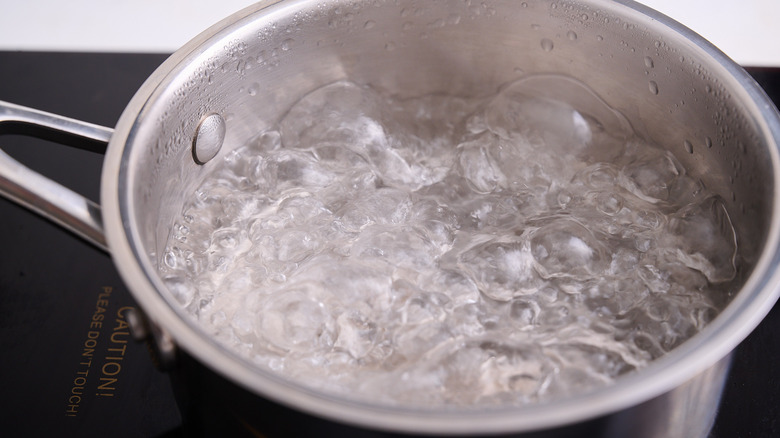
First, tiny bubbles clung to the sides like shy little barnacles. Then, a few brave ones shot up from the bottom—whisper bubbles, I used to call them. My mom called them “the shy ones,” right before the whole surface erupts.
That’s the real boil. It’s not just hot. It’s a violent, joyful dance of steam and bubbles. You want that for pasta. You definitely want that for hard-boiled eggs.
Size Matters (And So Does the Lid)
Here’s a rough truth: a tiny pot of water boils way faster than a huge one. It’s like the difference between jogging a lap around your block and running a marathon. The water in the small pot is just smarter with its energy.
So if you’re in a rush, don’t grab the biggest pot you own. Use the smallest one that fits your food. And put a lid on it. That’s like giving your stove a tiny green flag. A lid traps the heat, cuts the time, and saves you a dollar or two on your electric bill.
I once forgot the lid for a full five minutes, staring at my phone. The water took forever. My friend joked, “You’re basically making soup for a future generation.” So, lid on. Trust me.
 boil,roast,l_大山谷图库
Salt, Sea, and a Dash of Patience
People debate the salt thing, but I’m a firm believer. A pinch of salt in your pasta water isn’t about making it boil faster—it slightly raises the boiling point, actually. But it adds flavor.
It’s like seasoning a story. Without salt, your pasta is a boring character. Add that pinch, and it’s a scene-stealer. Also, don’t be scared of a little steam. That hiss is good. It means the water is doing its job.
If you’re watching a pot for something delicate, like poaching an egg, don’t let it get violent. A gentle simmer—those lazy, happy bubbles—is perfect. A rolling boil is for steamrollers. A simmer is for gentle baths.
The Microwave Cheat
Look, we’re all busy. Sometimes the stove feels like a ceremonial ritual. That’s when the microwave becomes your hero. You can absolutely bring a cup of water to a boil in the microwave for your ramen or tea.
Just be careful. Use a microwave-safe mug. And here’s the pro tip: put a wooden chopstick or a non-metallic object in the cup. It prevents the water from “superheating”—which is when it stays calm until you jostle it, then explodes.
I learned that the hard way. I took a cup out, and it erupted like a little geyser. My kitchen ceiling still has a faint tea stain. So, chopstick. Cheap insurance.
 Cooking Instructions - Anello Family Crab & Seafood
Why You Should Care (For Real)
Beyond the obvious pasta and eggs, boiling water is your health ally. Need to sanitize a baby bottle? Boil it. Want to kill germs in an emergency? Boil it. It’s the oldest, easiest purification method on the planet.
It’s also a small victory. When you hear that kettle click or see that first perfect bubble burst, you’ve done something right. You’ve taken chaos—molecules bumping into each other—and made it useful.
Plus, it’s a timeless skill. My grandmother boiled water for tea in a cast-iron kettle. I do it in a stainless steel one. And someday, some kid on a spaceship might boil water for their own instant noodles. The method changes, but the magic stays the same.
Just Go For It
Next time you’re staring at a cold pot, don’t overthink it. Turn the knob to high. Walk away for a minute. Come back, and watch for those shy little barnacles. Then the bold ones. Then the party.
You don’t need a degree. You just need water, heat, and a little patience. And maybe a lid. And definitely a tea bag waiting for that moment.
So go ahead. Bring that water to a boil. Your noodles, your tea, your future self—they’re all counting on you. And trust me, the water is happy to oblige.
