How To Adjust Water Softener

So, your water softener is acting up, huh? Maybe your skin feels squeaky again, or your dishes look like a snow globe threw up on them. Don’t panic. We’re going to fix this to...
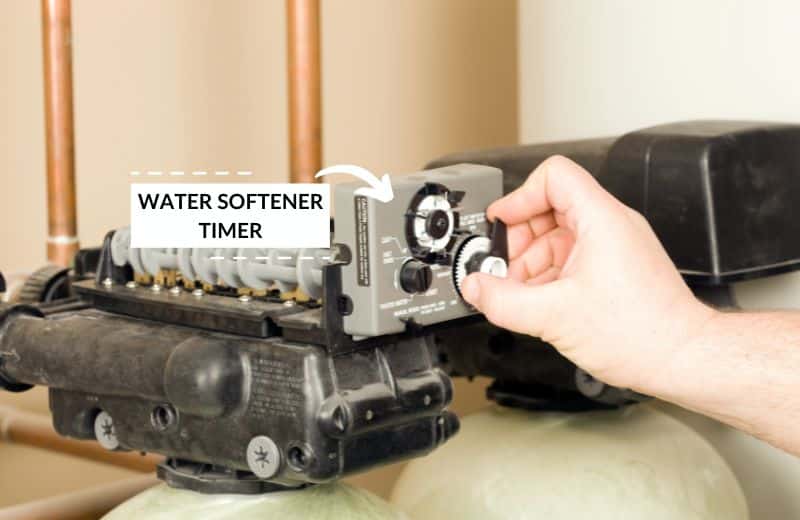
So, your water softener is acting up, huh? Maybe your skin feels squeaky again, or your dishes look like a snow globe threw up on them. Don’t panic. We’re going to fix this together, one crunchy step at a time.
First, pour yourself a coffee (or tea, I don’t judge). You’re going to need a clear head, a little patience, and maybe a towel for the inevitable drip. Think of this as a spa day for your appliance—but with more salt.
Step 1: Know Your Enemy (and Your Friend)
Before you touch a dial, find your water softener’s manual. I know, I know—reading manuals is like eating kale chips. But trust me, the manual tells you where the bypass valve lives and what “regeneration” actually sounds like on your model.
Must Read
No manual? No problem. Most softeners have the same basic brain: a timer, a salt tank, and a resin tank. You’re basically a plumber-psychologist now. Talk to it.
The Hardness Setting: The Magic Number
This is the big one. You need to set how hard your water actually is. Grab a water test kit from the hardware store (or call your local water company—they love this stuff).
Got a number? Good. Now find the “hardness” dial on your control head. It’s usually a small knob or a few buttons. Turn it to match your test results. If your water is 15 grains per gallon, set it to 15. Simple, right? Don’t guess—your dishes will know.
The Salt Level: Not Too Full, Not Too Empty
Pop open the salt tank. If it looks like a barren wasteland, add more salt. But stop when the salt is about halfway up the tank—don’t fill it to the brim like a crazy person. The water needs room to breathe.
Also, check for a “salt bridge”. That’s when salt crusts into a hard shell on top. Poke it with a broom handle (yes, really). Break it up like you’re cracking a bad piñata. No salt bridge? Good. Your softener can eat now.
 How To Adjust Water Softener To Use Less Salt at Finn Shapiro blog
Step 2: Find the Regeneration Cycle
Most softeners regenerate automatically, usually at 2 a.m. when you’re dreaming of clean towels. But if you need to force a cycle (because your water suddenly tastes like a salt mine), press the “regen” button.
It’s usually a single button that says “REGEN” or “MANUAL REGEN.” Hold it for three seconds. The machine will make weird noises—gurgling, hissing, maybe a tiny scream. That’s normal. It’s just flushing out the old brine.
If you have a digital control panel, you may need to scroll through a menu. Don’t panic if it looks like a spaceship console. Just look for “Cycle” or “Time.” And for the love of clean socks, don’t touch any button labeled “Service” unless you’re a wizard.
Adjusting the Recharge Frequency
Your softener uses salt and water to clean itself. How often? Every 3 to 7 days is typical. If you have a big family (or you’re a secret hot-tub enthusiast), you might need to regen more often.
Look for a dial that says “Days Between Regeneration.” Turn it to 3 if your water is super hard, or 7 if it’s moderate. Don’t go over 7—your resin will get lazy and stop working.
Step 3: The Pesky Time Clock
Did you know your softener has a tiny clock? If the power blinked or you played with the settings, the clock might be wrong. An inaccurate clock means regeneration happens when you’re in the shower. Cold, soapy horror.
 How to Maintain Your Water Softening System: 15 Steps
Set the time as you would a microwave. Usually, you press “Set” or “Time” and use arrows to adjust. Make sure it’s AM or PM—some models just show “12:00” and you guess. You don’t want it regenerating at noon when you’re doing laundry.
The Bypass Valve: Your Emergency Exit
Just in case you make a mistake (and you will), know where the bypass valve is. It’s usually a handle on the back that turns 90 degrees. Turn it to “Bypass” and your water will flow around the softener. Hard water, but safe water.
Use this if you hear hissing you don’t like, or if water is dripping under the unit. It’s like a panic button for your plumbing. You’re welcome in advance.
Step 4: Pat Yourself on the Back
After you’ve adjusted the hardness, salt, time, and cycle, run a manual regeneration. Watch it for a minute. Listen. It should go: gurgle, pause, hiss, then silence. That’s the sound of victory.
Then test the water. Fill a glass. If it’s clear and feels silky, you did it. If it’s still a mineral nightmare, go back and double-check your hardness number. Don’t worry—I’ve messed up three times in a row before. It’s a rite of passage.
One last thing: write down your settings on a sticky note and slap it on the side of the tank. Next time the power goes out or a well-meaning friend “helps” you, you’ll be ready. You’re now the official water softener whisperer. Use your powers wisely.
