How To Find Your Water Meter

Okay, let’s be honest. You probably know exactly where your phone charger lives, but have you ever really looked for your water meter? It’s that little gizmo under a metal lid...

Okay, let’s be honest. You probably know exactly where your phone charger lives, but have you ever really looked for your water meter? It’s that little gizmo under a metal lid, usually hiding in the grass or lurking in a dusty corner of your basement. I once spent a solid twenty minutes looking for mine, convinced my neighbor had borrowed it. Spoiler: he hadn’t.
Why should you care? Well, imagine finding a $50 bill in your winter coat—that’s the feeling of spotting a water leak early. Your water meter is like a tiny, grumpy accountant that never takes a vacation. It tracks every single gallon that flows into your home, from your morning shower to that long, satisfying glass of water at 2 AM.
Knowing where it is can save you from a truly shocking water bill. A dripping toilet can waste as much water as a swimming pool in a year. Your meter is the silent witness to that crime, and you need to be able to find it to catch the culprit.
Must Read
The Great Outdoor Hunt
First, head outside. Most homes have their water meter buried in the front yard, near the sidewalk or driveway. Look for a metal or plastic lid in the grass that says “Water” or has your local utility company’s logo on it. It’s usually round or rectangular, and it might be a bit camouflaged under fallen leaves.
Don’t be afraid to poke around. I once found mine hiding under my kid’s forgotten soccer ball. If you live in a colder climate, the lid might be a little deeper to stop the pipe from freezing—a small, concrete box in the ground. Lift the lid carefully; there might be spiders who think they’re the rightful owners.
Pro tip: If you can’t find it, follow the water pipe from your house. It usually enters from the front, and the meter is about three feet inside your property line. It’s like following a treasure map, but the treasure is financial awareness.
When the Meter Lives Indoors
Some meters are total introverts. They live inside the house, usually in the basement, crawlspace, or garage. Check near the main shut-off valve—that big brass knob you spin to turn off all the water to your home. Your meter is the little glass-and-metal box attached to it.
 Discover Guide: How To Read A Water Meter
It might be hiding behind a pile of holiday decorations or that treadmill you swore you’d use. I found mine tucked behind a dusty box of Christmas lights. It was basically saying, “Hey, remember me? I’ve been counting your dishwashers for three years.”
If you don’t have a basement, check the area around your water heater. In many homes, the meter is installed right where the water line first enters the building. It’s the unsung hero of your plumbing system.
Reading the Thing (It’s Easier Than You Think)
Once you find it, you’ll see a face with numbers, like a car’s odometer. Some are digital, some are old-school dials. It’s not a spy gadget; it just shows how many gallons or cubic feet you’ve used. The most important part is the little triangle or star called a “low-flow indicator.”
Here’s the fun part: Turn off every tap, toilet, and appliance in your house. Then go stare at your meter. If that little triangle is spinning, you have a leak. It’s like a tiny spinning top saying, “Drip, drip, drip, your wallet is getting lighter.”
You can use this to play detective. Turn off the water to your washing machine and check the meter. Then turn the toilet valve off and check again. You’ll find the sneaky little leak that has been costing you money. It’s oddly satisfying, like solving a miniature mystery.
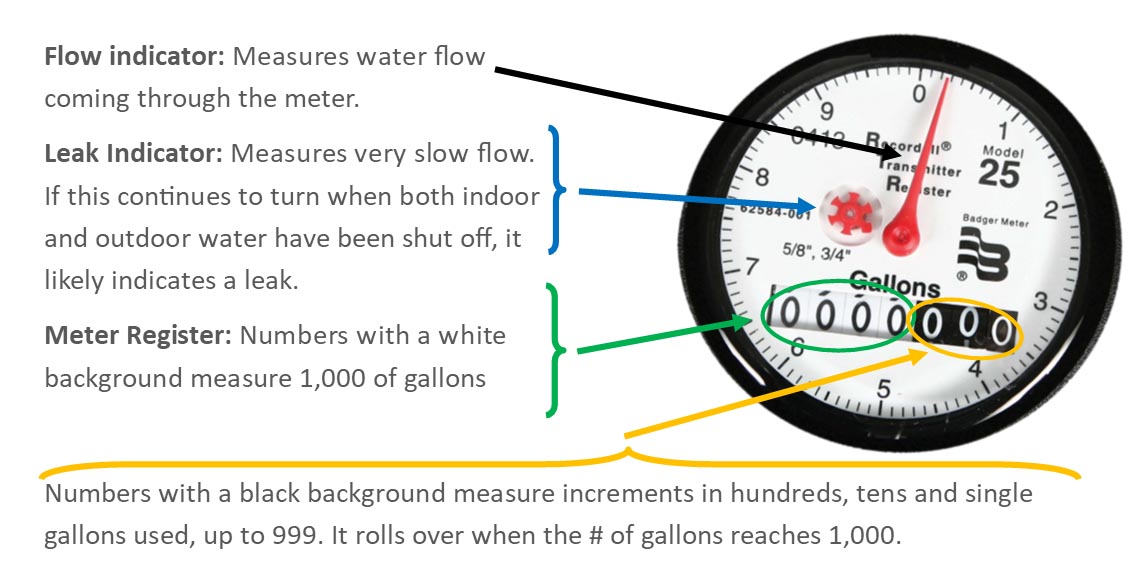 Water Meter Reading
Why You Should Care This Weekend
Most people only discover their water meter during a crisis—like when the bill triples and they panic. Don’t be that person. Spend five minutes this Saturday finding yours. Give it a little introduction. “Hello, Meter. I am your owner.”
Just knowing its location means you can quickly shut off the water if a pipe bursts while you’re on vacation. It’s like having a fire extinguisher for your plumbing. You don’t need it until you really, really need it.
Plus, you’ll feel incredibly adult. You’ll be the neighbor who casually says, “Oh, I just checked my water meter. Everything’s fine.” That’s a power move. That’s the kind of boring heroism we all need in our lives.
So grab a flashlight, put on your detective hat, and go find that little metal box. It’s not glamorous. It’s probably dusty. But it’s your personal water watchdog. And honestly, after you find it, you’ll sleep a little better knowing you’re not accidentally watering the lawn with your savings.
Go on. The meter is waiting.
