Why Is Chlorine Bad For You

So, picture this: it’s a hot summer day, and you’re finally floating in the hotel pool. The water is crystal clear, the sun is blazing, and you take a deep breath of that dist...
So, picture this: it’s a hot summer day, and you’re finally floating in the hotel pool. The water is crystal clear, the sun is blazing, and you take a deep breath of that distinct chemical smell—ah, the scent of cleanliness, right? Wrong. That sharp, chlorine-y aroma is actually a giant red flag waving in your face (and your lungs). What you’re smelling isn’t pure chlorine; it’s chloramines, the nasty byproduct of chlorine reacting with sweat, pee, and that greasy sunscreen you just slathered on.
We’ve been told chlorine is our best friend—the unsung hero that zaps bacteria and keeps our water safe. But here’s the kicker: while it’s busy being a germ-killing superhero, it’s also secretly waging a tiny war on your own cells. Think of it as that friend who “helps” you move, but then accidentally breaks your coffee table. The dose makes the poison, and in the small, repeated doses we get from a pool or tap water, chlorine starts looking less like a hero and more like a sneaky villain.
The Chemical Punch That Dries You Out
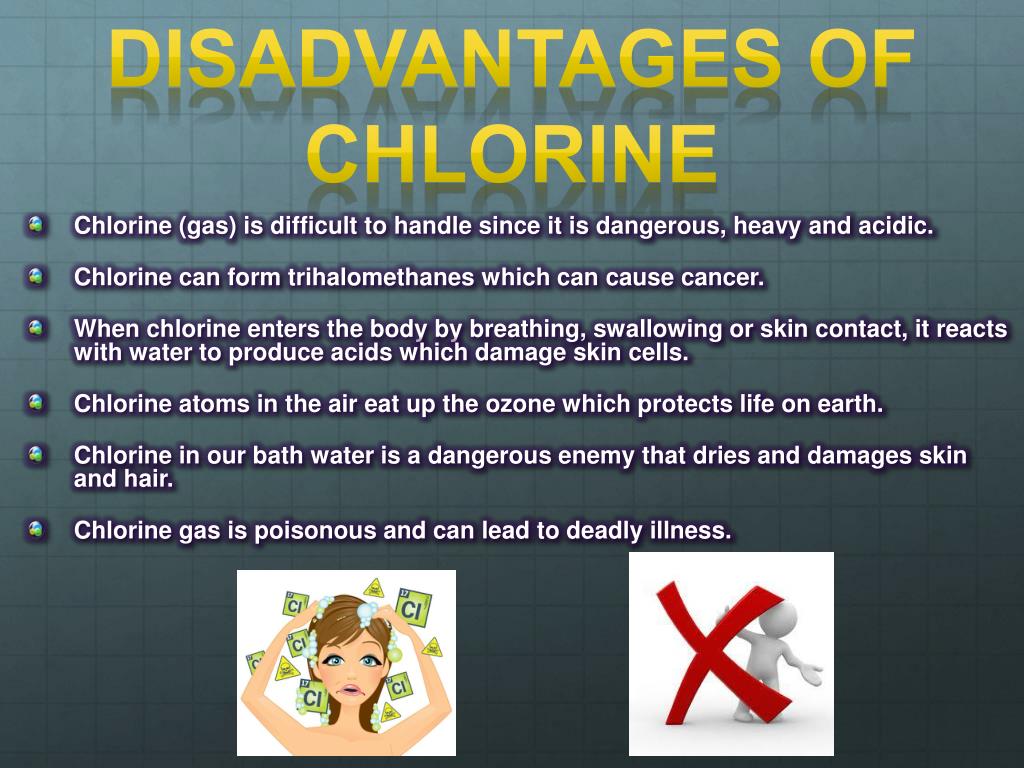
Let’s start with the most obvious betrayal: your skin and hair. You hop out of the pool feeling like a human raisin, and your hair feels like straw? That’s chlorine stripping your natural oils, our body’s built-in moisture shield. It’s basically using a heavy-duty degreaser on your delicate epidermis. (You wouldn’t wash your face with dish soap, so why let your whole body swim in it?)
Must Read
And it doesn’t stop there. Chlorine opens up your pores and follicles, making it easier for the chemical to penetrate deeper. For people with eczema or sensitive skin, it’s like throwing a lit match into a gas station. Itching? Redness? Flaking? Yeah, that’s not just “pool water”—that’s chlorine saying “hello” to your inflammation.
Your Lungs Are Not A Filter
Remember that “clean” pool smell I mentioned? Breathe it in deeply, and you’re actually inhaling a low-grade chemical irritant. Swimmers, especially indoor swimmers, often develop a cough known as “swimmer’s lung.” It’s not just annoying—it’s a direct assault on your respiratory tract’s lining. Think of it as giving your lungs a tiny, continuous sunburn from the inside.
For kids (who are basically tiny, splashing bacterial bombs in a pool), it’s even worse. Studies have linked frequent chlorinated pool use in early childhood to an increased risk of asthma and allergies. So that “fun” swim lesson might be setting up your little one for a lifetime of wheezing at the mere sight of a cat. Irony? You bet.
 PPT - Chlorine ( Cl ) PowerPoint Presentation, free download - ID:2276942
The Tap Water Trap
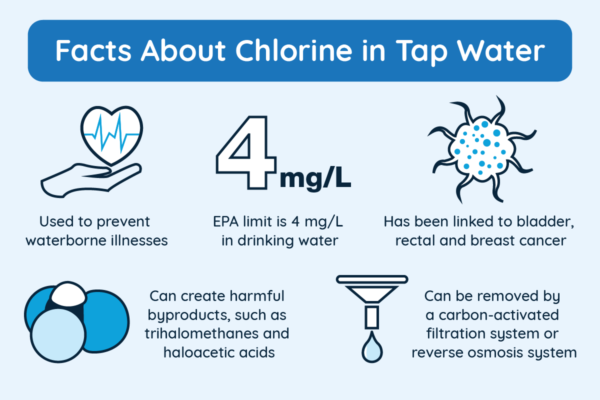
But wait—this isn’t just a pool problem! Every time you drink a glass of tap water, you’re typically sipping chlorine too. Municipals add it to kill pathogens, and thank goodness for that. But here’s the uncomfortable truth: chlorine reacts with organic matter in water to create disinfection byproducts like trihalomethanes (THMs). These little freeloaders are classified as potential carcinogens. The EPA regulates them, but “safe” and “risky” are two different things. (Pass the Brita filter, please.)
Long-term exposure to chlorinated tap water has been linked to bladder and colorectal cancer risks in some population studies. Let me pause while you re-evaluate that glass of water on your nightstand. I’m not saying burn your house down, but you should probably know that your water is essentially a swimming pool in a cup—just with a slightly lower concentration.
The Stealthy Oxidative Stress
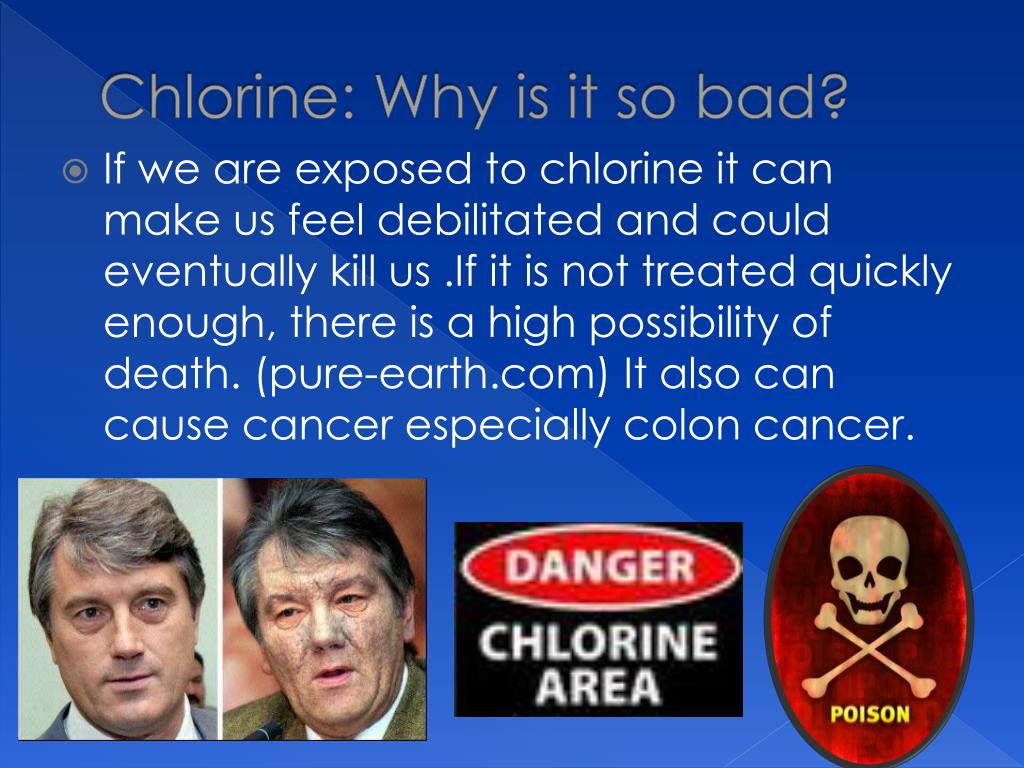
On a biological level, chlorine is a strong oxidizer. That means it basically steals electrons from whatever it touches, including your cells. This creates oxidative stress, which is fancy science talk for “making your cells age faster and work harder.” It’s the same mechanism that makes rust eat a car, but happening inside your body over decades.
 PPT - Brown Paper vs. White Paper (That Kills People and The
Your body can handle a little bit of this—we have antioxidants for backup. But if you’re a heavy swimmer, a long shower-taker, or you live in a place with high chlorine levels in the water, your defense system is fighting a daily battle. Imagine your immune system is a tired bouncer at a club, and chlorine is a constant stream of rowdy guests trying to get in. Eventually, the bouncer gets sloppy.
So, Should We Panic?
No! Let’s not throw the baby out with the bathwater (pun absolutely intended). Chlorine has saved millions of lives by preventing waterborne diseases like cholera and typhoid. It’s a necessary evil—like taxes, or wearing pants in public. But being aware of its downsides lets you take the wheel back.
A cool, simple fix? Shower immediately after swimming. Use a vitamin C-based shower filter for your tap water (vitamin C neutralizes chlorine). For pools, look for “saline” or “ozone” systems—they use salt or ozone to sanitize instead of harsh chlorine. And for the love of your lungs, avoid that strong “chemical” pool smell (it means the pool is actually dirty, not clean).
So next time you dive in, enjoy the splash. Just be a little smarter about what you’re actually swimming in. Your skin, your hair, and your lungs will thank you—probably with a slightly lower risk of a chemistry lesson gone wrong.
