How Much Water Is In A Well

So, you’re thinking about wells—or maybe you’ve just moved to a place with one, and you’re wondering, “How much water is actually down there?” Great question! It’s not like a...
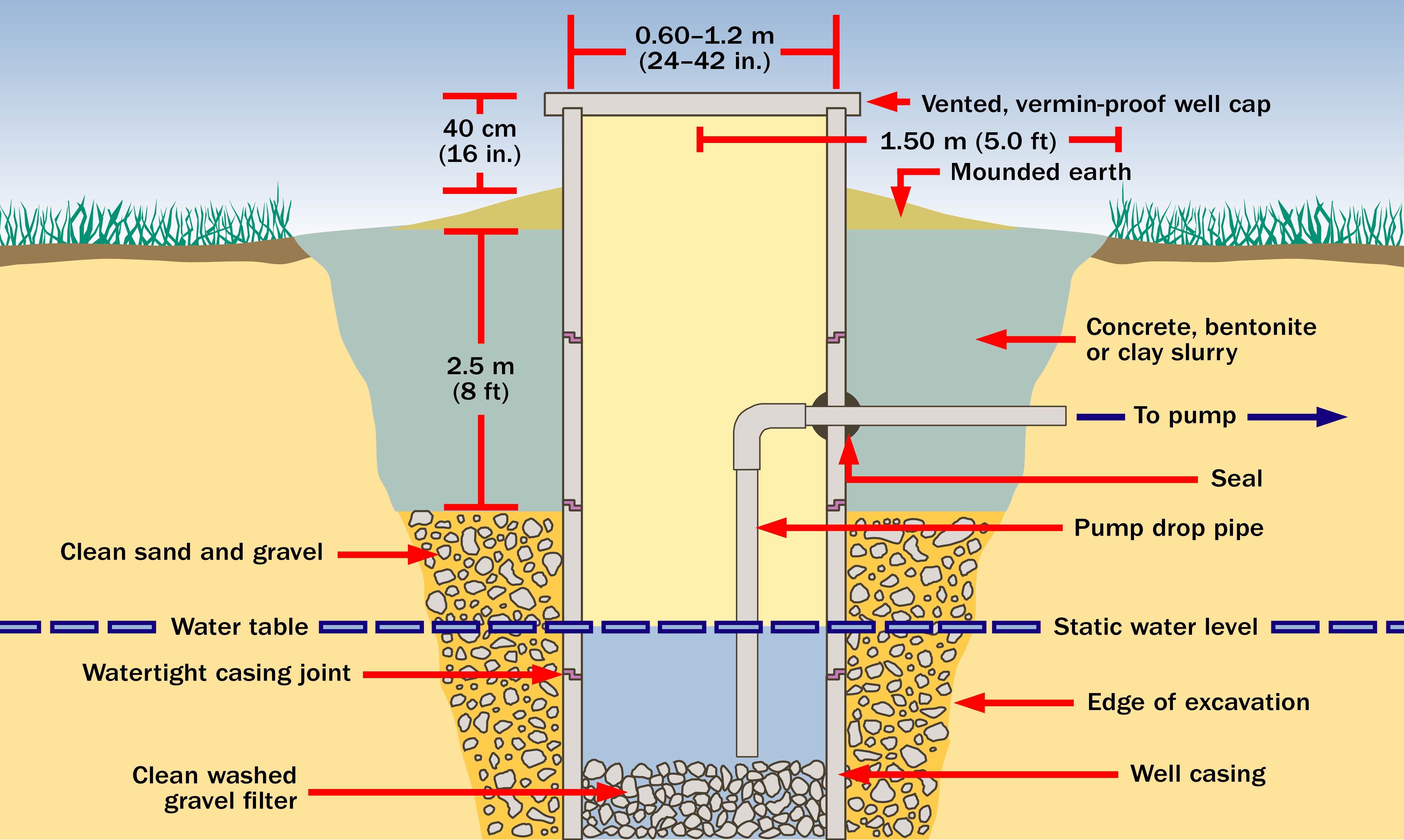
So, you’re thinking about wells—or maybe you’ve just moved to a place with one, and you’re wondering, “How much water is actually down there?” Great question! It’s not like a swimming pool you can just peek into with a flashlight.
Let’s be real: the answer isn’t a simple number. It’s more like a mystery novel with a happy ending—and a lot of dirt. But don’t worry, we’re going to dig into it together (pun very much intended).
The Short Answer: It Depends on a Lot of Things
First, let’s get one thing straight: a well isn’t a giant bathtub full of water waiting for you. Most wells are just a pipe drilled into an underground layer called an aquifer. The aquifer is the real water storage—think of it as a giant, soggy sponge underground.
Must Read
Your well’s pipe is like a straw sticking into that sponge. How much water you can suck out depends on how big the sponge is, how fast it refills, and how thirsty you are. Simple, right? (Spoiler: it’s not simple.)
The Yield Is What Really Matters
Instead of asking “how many gallons are in the well,” pros ask about yield. That’s the rate at which water flows into the well, usually measured in gallons per minute (GPM). A typical home well might yield 5 to 10 gallons per minute. That’s enough to run a shower, a toilet flush, and a laundry load at the same time—which is basically a miracle of physics.
If your well yields only 1 GPM, you’ll be taking military-style showers. Tick-tock, suds up! But if you’re blessed with 20 GPM, you might as well install a waterslide.
The Depth of the Well Plays a Big Role
Wells can be shallow (30–50 feet) or crazy deep (over 1,000 feet). But here’s the kicker: a deep well doesn’t always mean more water. It just means you drilled deeper into the sponge. If the sponge is dry at 500 feet, you’re just a proud owner of a very expensive hole in the ground.
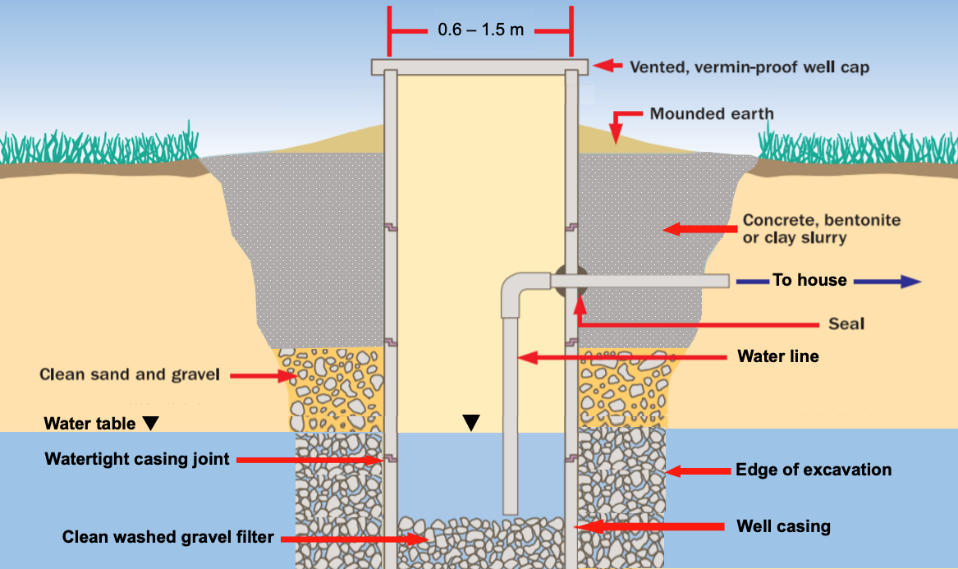 Domestic Water Well Diagram
On the flip side, a shallow well in a wet area can hold hundreds of gallons of water right in the pipe itself. That’s called the “static water level.” It’s the amount of water sitting in the well when no one’s pumping. Think of it as your water bank account—minus the overdraft fees.
How to Actually Estimate the Volume in Your Well
Here’s the mathy part (don’t panic). For a typical 6-inch diameter well, each foot of water equals about 1.5 gallons. So if your static water level is 100 feet, you’ve got roughly 150 gallons just sitting there, waiting for a party. That’s enough to fill a hot tub—but please don’t try to hot tub in your well.
But remember: that’s just the water in the pipe. The aquifer can recharge it over time. So your well might produce 10,000 gallons a day if the aquifer is generous. Or it might give you a measly 500 if the aquifer is feeling stingy. It’s like a moody roommate who sometimes pays rent.
Factors That Mess With Your Well’s Water Supply
Seasonal droughts can lower the water table. If you’re in a dry spell, your well might run low—or even dry out. That’s when you start Googling “water truck near me” at 3 a.m. in your pajamas. We’ve all been there.
Also, overpumping is a thing. If you run your sprinkler for four hours and then take a 45-minute shower, your well might temporarily suck air. It’s not broken—it’s just tired. Give it a nap.
 Box 1 – How Much Water is Needed from a Domestic Well? – Domestic Wells
What About Those Old Wives’ Tales?
You’ve probably heard: “If you drop a penny in a well, it turns into a wish.” That’s cute, but actually, pennies corrode and can mess with your water quality. So, maybe wish for clean water instead—and keep the pennies in your couch cushions.
Another myth: “Deep wells never run dry.” Nope. Even a deep well can run dry if the aquifer is depleted. It’s like having a giant straw in a milkshake cup that’s almost empty. No matter how long the straw is, you’ll still get a slurping sound of despair.
The Bottom Line (Not the Well Bottom, Ha!)
So, how much water is in a well? The honest answer is: it depends on the aquifer, the well depth, the yield, and your luck at the geological lottery. But for most homes, you’ve got enough to keep your garden alive, your showers warm, and your coffee maker happy—without thinking about it too much.
And here’s the best part: wells are self-renewing (with help from rain). Unlike that gas can in your shed, a well keeps giving. It’s a tiny, magical piece of nature right in your yard. So next time you turn on the tap, give a little nod to the soggy sponge deep below. It’s working hard so you don’t have to.
Final thought: Whether your well holds 50 gallons or 50,000 gallons, remember—it’s not the size of the well that matters, it’s the joy of having your own private water source. And that, my friend, is something to smile about. Cheers to the fresh, cold, gloriously unlimited water that’s always just a pump away!
