How Much Is To Drill A Well

So, last summer, my buddy Jim decided he was done paying the city for water. He bought a plot of land out in the county, smiled at me, and said, “I’m just gonna drill a well....
So, last summer, my buddy Jim decided he was done paying the city for water. He bought a plot of land out in the county, smiled at me, and said, “I’m just gonna drill a well. How hard can it be?” Famous last words, right? Three months and a lot of gravel-voiced contractor calls later, Jim’s dream of free water had turned into a very expensive hole in the ground.
The short answer? It’s not cheap, and it’s never “just a hole.”
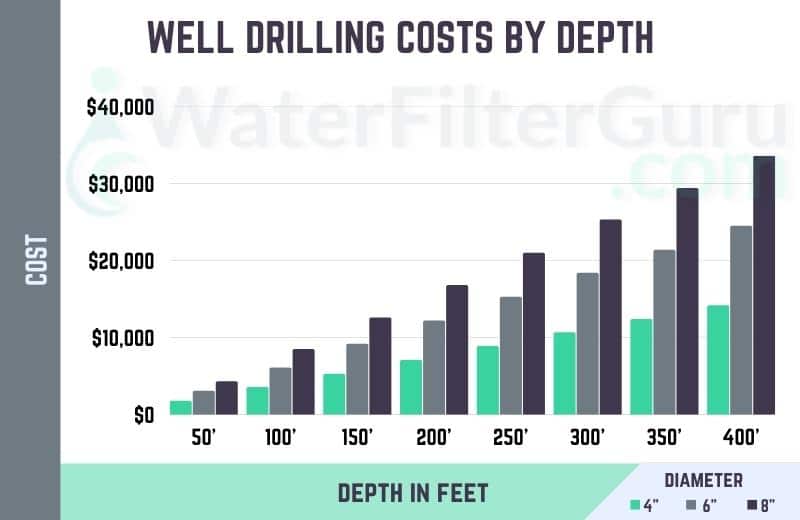
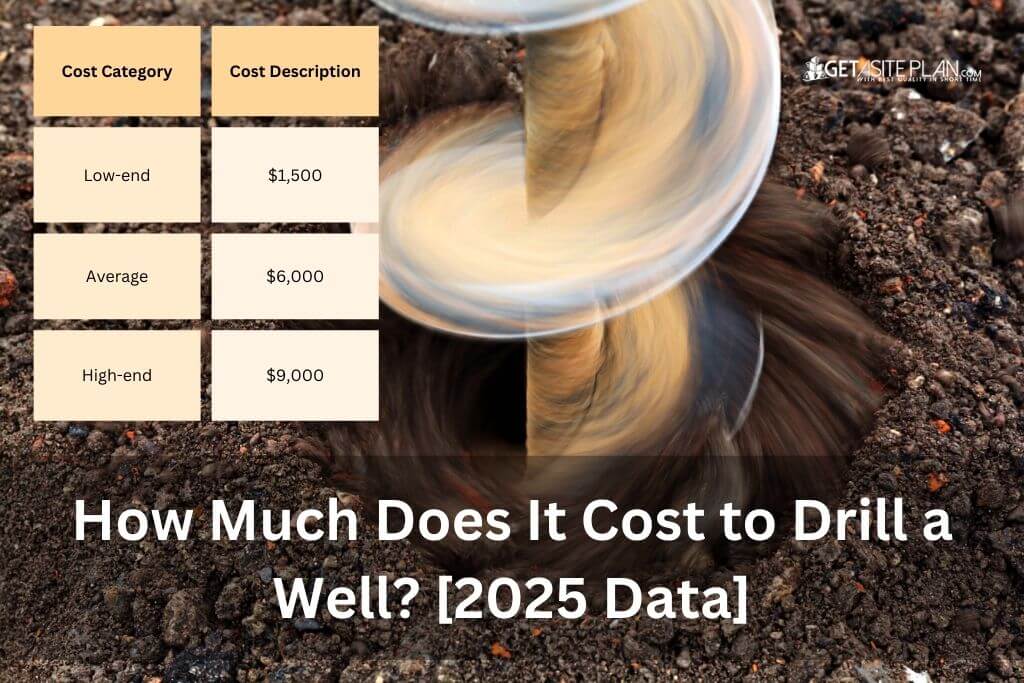
If you ask a driller how much a well costs, they’ll give you a look that says, “How long is a piece of string?” The average cost for a residential well in the U.S. lands between $3,000 and $15,000, but that’s like saying a car costs between a used Honda and a new Tesla. The real number depends on where you live and what you hit—or don’t hit—when you dig.
Let’s break it down so you don’t end up like Jim, staring at an invoice and questioning all your life choices.
Must Read
First: The cost of the drill itself.
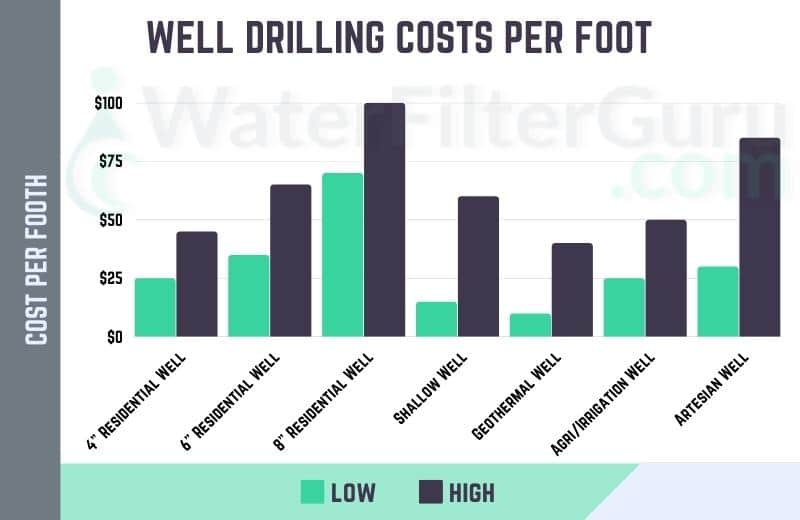
Most companies charge by the foot. You’ll see rates between $20 and $60 per foot for a standard 6-inch residential well. Sounds manageable, right? Well, hold your horses—you have no idea how deep you’re going until you start. In sandy soil, you might hit water at 30 feet. In rocky terrain? You could be drilling 400 feet down, and that’s when the math gets scary. Pro tip: Always ask for a “price per foot” estimate, but don’t sign a blank check—get a maximum depth clause.
Also, don’t forget the mobilization fee—that’s the trucking charge to get the rig to your site. It can run you $500 to $1,500 just to show up. Yes, they charge you for driving. Welcome to the oil-and-water world, pal.
The hidden costs that bite you in the wallet.
You cannot drink muddy water. Once the hole is drilled, you need a pump, a pressure tank, wiring, and a control box. That “wholesale” kit can cost $500 to $2,000, plus installation. If you hire an electrician? Add another $1,000 because apparently, wires in a dark hole are tricky. And if the water is high in iron or sulfur? Welcome to filtration systems—another $2,000 to $8,000.
 Digging a Well - How To, Regulations and Permits - GetASitePlan
That’s not even counting the casing and well cap. The steel or PVC pipe that lines your well costs about $10 to $20 per foot installed. If your well is deep, that’s another $4,000 right there. Oh, and you’ll need a permit. Most towns charge $100 to $500 just to give you permission to dig. Because freedom from the city water bill comes with paperwork.
The rule of thumb: double your initial quote.
I’m not being dramatic—I’ve seen it happen. A guy quotes you $4,000 for the drilling, but once they hit bedrock, they switch to a “rock bit” that costs extra. Then the water is 300 feet down, so the pump needs a boost. Suddenly, your $4,000 well is a $14,000 well. Jim’s finished well? Total: $12,500. And he still had to rent a soil tester for the septic system. Live and learn, or pay and weep.
But here’s the twist—if your property already has a well casing from a previous owner, you can sometimes “redrill” or deepen it for half the cost. Always check county records first. It’s like finding leftover pizza in the fridge.
 Drill Cost Per Hole at Kevin Davidson blog
When is it actually worth it?
If you live in a rural area where city water hookups cost $20,000 or more, drilling a well is a no-brainer. You’ll pay back the investment in 5 to 10 years if you use a lot of water. But if you’re in a residential neighborhood where the city line is 50 feet away? Please, just pay the water bill. Your sanity is worth more than the maintenance of a pump.
One more secret: well water is often better quality—no chlorine, no additives. But you become the utility company. When the power goes out, your water goes out too. When the pump dies at 2 a.m. on a Saturday? That’s your problem, not the city’s. You wanted independence? You got it.
The final dirt.
To drill a well, budget at least $8,000 to $15,000 on the low end, and expect to spend $20,000+ if you hit complications. Get three quotes, ask about “what happens if we hit rock,” and don’t pay a cent until the water flows clear. And if a contractor tells you they can do it for $1,500? Run. You’ll end up with a dry, muddy hole and a story to laugh about in therapy.
Jim? He now has a garden that looks like a jungle and a very expensive “conversation starter” in his backyard. He says it was worth it. But I saw his face when the final bill came. Let’s just say that’s the last time I let him give me financial advice.
