Does Coke Help Digest Food

We’ve all been there. You’ve just polished off a massive plate of greasy takeout or a heavy holiday feast, and someone slides a fizzy, ice-cold Coke your way. “It’ll help sett...
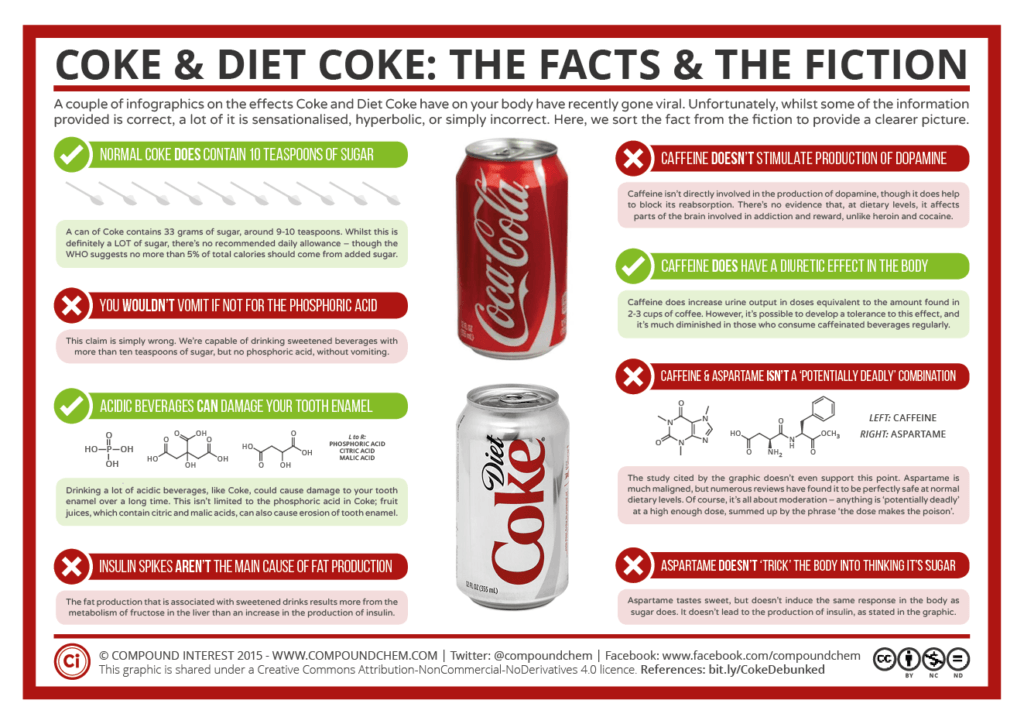
We’ve all been there. You’ve just polished off a massive plate of greasy takeout or a heavy holiday feast, and someone slides a fizzy, ice-cold Coke your way. “It’ll help settle your stomach,” they promise, with the confidence of a home remedy guru. But is this iconic soda actually a digestive aid, or just a delicious myth?
Let’s crack open the science, shall we? The idea of Coke as a digestive tonic isn’t new. In fact, the original Coca-Cola syrup was invented in 1886 by Dr. John Pemberton and marketed as a “brain tonic” and a cure for headaches and upset stomachs. It was literally sold at pharmacies, a fizzy fix for what ailed you.
Fast forward to today, and the urban legend persists. Many cultures, from the American South to parts of Asia, swear by a glass of Coke to ease bloating or help you digest a spicy meal. It’s become the unofficial cure-all for a heavy night out or a too-generous portion of pasta.
Must Read
The Science (or Lack Thereof) Behind the Fizz
Let’s get one thing straight: your stomach is a superior chemical processing plant. It already churns with hydrochloric acid, which has a pH around 1.5 to 3.5—that’s incredibly acidic. Dropping a can of Coke (pH around 2.5) into that mix is like adding a drop of lemon juice to the ocean.
So, does the acid in Coke help break down food? No, not really. Your stomach’s own acid does that job with extreme prejudice. The real digestive action happens with enzymes like pepsin, which need that acidic environment to work. Coke’s acid is simply redundant.
Interestingly, a 2018 study published in the Journal of Gastroenterology did find one specific case where Coke was effective: breaking down stomach “bezoars.” Bezoars are stubborn clumps of undigested material (often plant fiber) that can block the stomach. Doctors sometimes use Coke as a cheap, non-invasive treatment to dissolve them. That’s a medical anomaly, not a dinner aid.
The Real Effects on Your Belly
So, if it doesn’t help digestion, why does it feel so good after a big meal? The magic lies in the carbonation. Those bubbles stretch your stomach walls, which can trigger a reflex called belching. That satisfying burp releases trapped gas, giving you an immediate sense of relief. It’s a mechanical fix, not a digestive one.
Then there’s the caffeine and sugar. A standard 12-ounce Coke packs about 34 mg of caffeine and 39 grams of sugar. That sugar rush can spike your energy and mood, while caffeine is a mild diuretic. But here’s the kicker: high sugar intake can actually slow gastric emptying, meaning your meal sits in your stomach longer. That’s the opposite of helpful digestion.
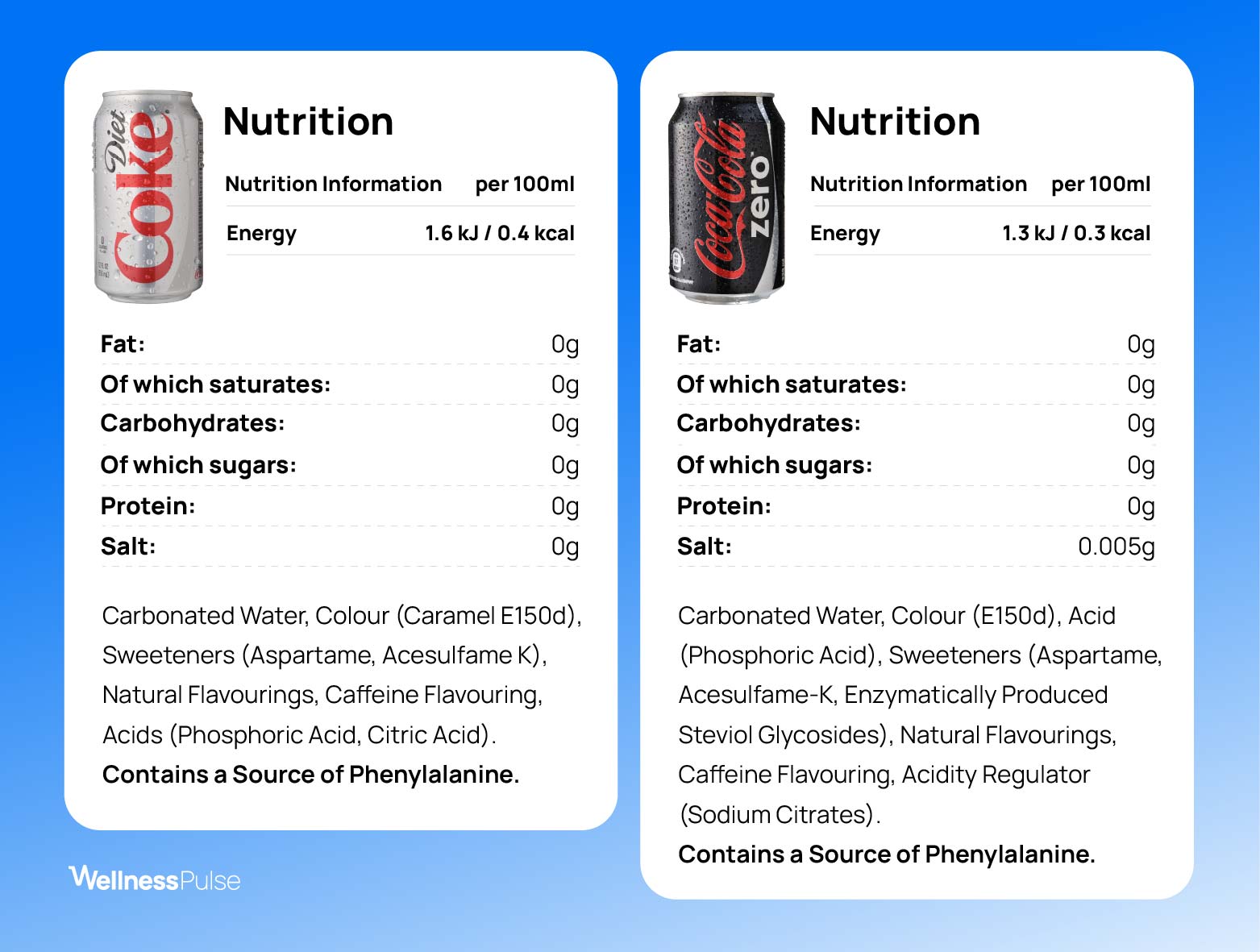 Diet Coke vs. Coke Zero: Differences Explained | WellnessPulse
Let’s not forget the phosphoric acid, which gives Coke its sharp tang. While harmless in moderation, this acid can interfere with calcium absorption over the long term. That’s more of a skeletal concern than a digestive one, but it’s worth noting for the daily drinker.
A Global Tummy Tonic?
Coke’s reputation as a digestive aid is genuinely global. In Mexico, it’s a classic pairing with a heavy plate of tacos or birria. In Japan, you’ll find “Cola-tonic” drinks that mimic the idea. And in the American South, a glass of Coke with a handful of salted peanuts dropped in is a cherished roadside remedy for indigestion.
This cultural acceptance isn’t just tradition—it’s also about placebo power. If you believe a cold Coke will help your stomach relax, your brain may actually trigger a relaxation response. That’s the power of expectation, not chemistry. Sometimes, the mind is the best antacid.
Fun fact: In some Indian households, a warm Coke (yes, heated!) is given to soothe a sore throat or an upset stomach. The sugar syrup acts as a throat coating, and the bubbles create a mild fizzy tingle. It’s a classic case of “Grandma knows best,” even if the evidence is shaky.
Practical Tips for a Happy Tummy
If you love the ritual of a post-meal Coke, don’t panic. You don’t have to ditch it entirely. Here’s how to keep things balanced: Opt for a smaller serving size. A 7.5-ounce mini can gives you the fizzy fix without the sugar overload. It’s the Goldilocks zone of soda drinking.
 Coca Cola And Health Issues - Healthy Food
Second, try pairing it with actual digestive aids. A cup of peppermint tea, a glass of water with lemon, or a short walk after eating will do more for your digestion than the Coke ever could. Use the soda as a treat, not a tool.
And here’s a pro tip from dietitians: Drink your Coke slowly and at room temperature. Ice-cold drinks can actually shock your stomach and slow down enzyme activity. Let it warm up a little, and sip it like you’re enjoying a fine wine—even if it’s just the cheap stuff.
Finally, consider the “Coke float” alternative. A scoop of vanilla ice cream in a glass of Coke adds calcium and fat, which can buffer the acid. Plus, it’s dessert. Win-win.
The Bottom Line
So, does Coke actually help digestion? The honest answer is: Not in any significant medical sense. It’s a bubble of placebo and tradition, wrapped in a can of sugar and nostalgia. But that doesn’t mean it’s worthless. A well-timed Coke after a greasy dinner can be a delightful ritual, a moment of sweet relief in a busy day.
Reflecting on this, maybe the real value isn’t in the stomach at all. It’s in the connection—the shared bottle with a friend, the memory of your grandmother pressing a cold one into your hand, the simple joy of a fizzy pause. Digestion is physical, but comfort is emotional. And sometimes, a little comfort is exactly what your gut—and your heart—needs.
Next time you crack open a Coke after a meal, take a moment. Enjoy the bubbles, the burn, the tiny sliver of childhood. Your stomach isn’t getting a science lesson, but your soul might just be getting a smile. And that’s a kind of digestion we could all use a little more of.
