Does Purified Water Go Bad

So, you’re standing in your kitchen, staring at a dusty bottle of purified water on the counter. It’s been there since, oh, last summer’s backyard barbecue. You wonder, with a...

So, you’re standing in your kitchen, staring at a dusty bottle of purified water on the counter. It’s been there since, oh, last summer’s backyard barbecue. You wonder, with a little grimace: can this stuff actually go bad? It’s a totally normal question—we’ve all been there, debating whether to chug or chuck it.
The short, happy news is: purified water itself doesn’t spoil like milk or a forgotten avocado. Water is H2O, a simple, stable molecule that doesn’t rot, mold, or develop a funky smell on its own. But here’s the plot twist—the story isn’t just about the water; it’s about the bottle and the world around it.
The Real Culprit: Not the Water, but the Container
Think of that plastic bottle like a tiny house for your water. If you leave it in a hot car for a week, that house starts to break down. Heat can cause chemicals from the plastic, like BPA or antimony, to leach into the water, giving it a nasty, metallic or “plastic-y” taste.
Must Read
And then there’s the enemy we all know: crud and germs. The moment you crack open that bottle and put your lips to it, you’ve invited millions of tiny hitchhikers in. Bacteria from your mouth can start a little party in the water, especially if it sits at room temperature for a few days.
It's like leaving a half-eaten sandwich out—it's not the bread going bad, but the stuff you added. The water becomes a beautiful, sterile swimming pool for your own leftover germs to multiply in.
The "Taste Test" Always Tells the Truth
You don’t need a science lab to figure this out—just use your nose and your mouth. If you pour a glass of that old purified water and it smells a little sour, do not drink it. If it tastes flat, stale, or weird, trust your gut—literally.
Fun fact: Stagnant water absorbs carbon dioxide from the air over time, making it slightly more acidic and flat. That’s why a bottle you left open on your nightstand for three days tastes “off.” It’s still safe in most cases, but it’s about as exciting as drinking a lukewarm puddle.
 Can Bottled Water Go Bad After Opening | Explora Madeira
I once found a gallon of purified water in the back of my pantry that was two years old. It looked fine, but when I poured it, it had a faint, dusty odor. I used it to water my plants, and they didn’t complain. A win for the plants, a lesson for me: old water is better for the garden than the gullet.
Homemade Purified vs. Store-Bought: A Big Difference
If you use a home pitcher or countertop filter, your water has a much shorter shelf life. That’s because your filter doesn’t sterilize the water—it just removes chlorine and minerals. Leftover microbes can still grow, so you should never keep filtered water out for more than a day or two.
Store-bought purified water, on the other hand, is often treated with a process like reverse osmosis or distillation. It’s practically sterile when it’s sealed. That’s why those big jugs from the store can sit in your garage for months without issue—as long as the seal is tight.
But once that seal is broken? You’ve got about four to six days before the taste starts to decline, even in the fridge. Think of it like opening a fresh bag of chips—they’re great for a snack, but after a week, they’re a little sad.
How to Make Your Purified Water Last
First rule: refrigerate immediately after opening. Cold temperatures slow down bacterial growth and keep that crisp taste alive. Plus, nobody likes room-temperature water from a bottle that’s been sitting by the cat food bowl.
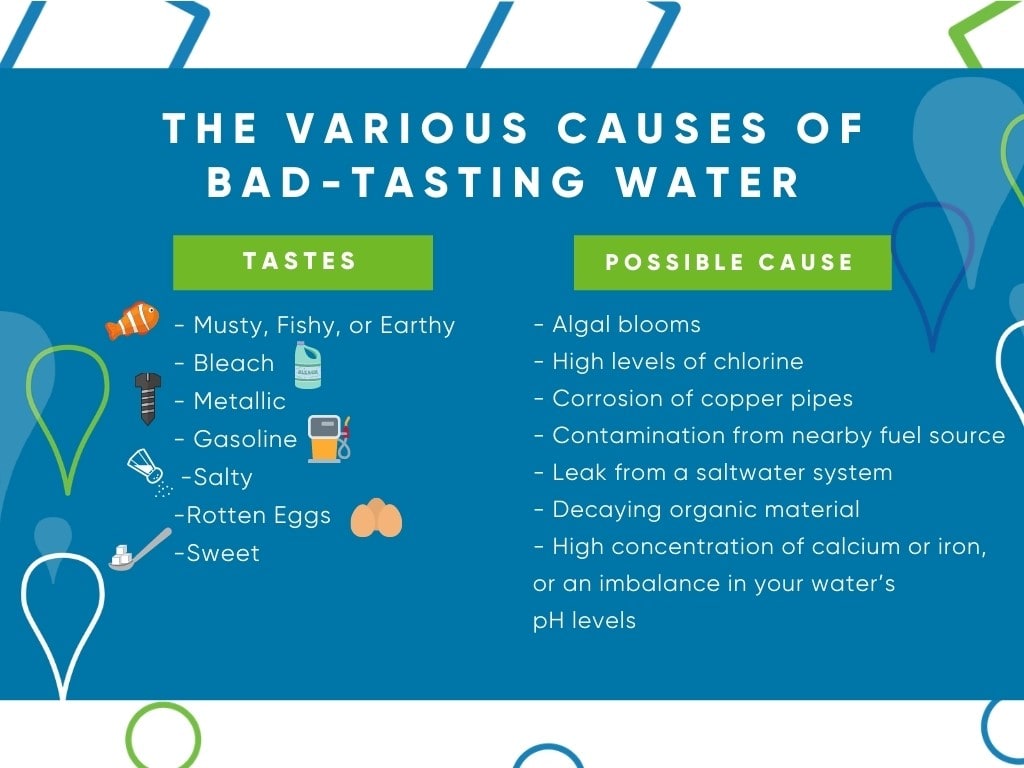 Bad Tasting Water? Here's How to Fix It! | Culligan Quench
Second rule: don’t drink directly from the bottle if you want it to last a few days. Pour it into a glass instead. Your mouth germs are the real party poopers here, and keeping them out of the bottle extends its life like magic.
And please, never store water in direct sunlight or a hot car. Not only does it make the plastic leach, but it also creates a cozy sauna for algae and bacteria. You’ll end up with a science experiment you don’t want to taste.
The Bottom Line (Pour With Confidence)
So, does purified water go bad? Not really, but it can go “blah” or “germy.” The water molecules themselves will outlive us all. It’s the company they keep (plastic, your mouth, and the environment) that causes problems.
Think of it this way: stored properly, an unopened bottle of purified water is like a good book on a shelf—it’s fine for years. Once you crack it open, it’s like starting a campfire—you’ve got a limited time to enjoy it before it fizzles out.
Next time you find a lonely bottle from last year’s beach trip, just check for a funny smell or taste. If it passes the sniff test, go ahead and hydrate! And if not, pour it on your ferns and give yourself a pat on the back—you’ve learned a useful, slightly bizarre life skill today.
