How To Reduce Tds In Water

Let’s be honest—most of us don’t think about water until it tastes like a wet rock that just wrestled a sock. That weird, chalky mouthfeel is your water screaming, “I have too...
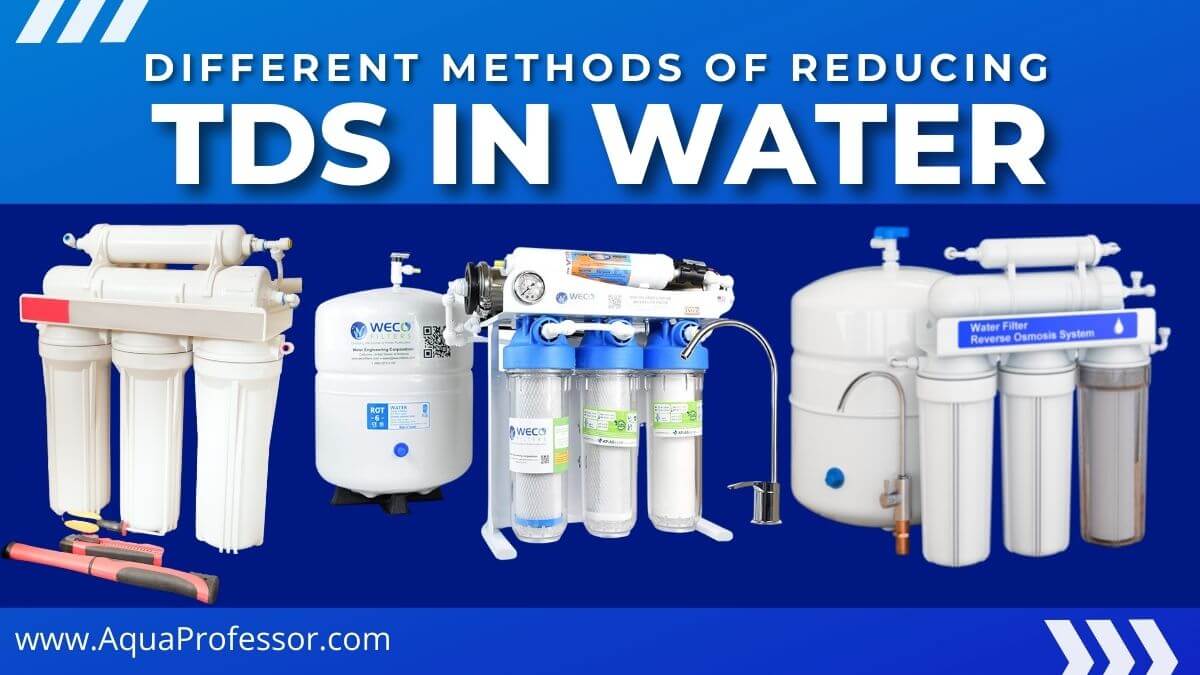
Let’s be honest—most of us don’t think about water until it tastes like a wet rock that just wrestled a sock. That weird, chalky mouthfeel is your water screaming, “I have too many minerals, and I’m not sorry.” Enter TDS: Total Dissolved Solids.
TDS is basically the leftover ego of rocks and dirt that dissolve into your water. It’s not always bad—your body needs some minerals—but when it tastes like a salty spoon or leaves white crust on your kettle, it’s time to intervene. Here’s the kicker: you don’t need a chemistry degree or a lab coat; you just need a few tricks that are almost as fun as a magic show.
Boil It? Nope. That’s a Myth.
Your grandma might say, “Just boil it, dear,” but Grandma is wrong about this one. Boiling actually increases TDS. When water evaporates, the minerals stay behind, making the leftover water more concentrated. You’re basically making mineral soup.
Must Read
Boiling kills bacteria and viruses—great for safety, terrible for taste. If you want to lower TDS, boiling is like trying to dry your socks by putting them in the toilet. Don’t do it.
Reverse Osmosis: The Nuclear Option
Reverse osmosis (RO) is the James Bond of water filtration. It uses a semi-permeable membrane that blocks almost everything—even fluoride, lead, and the ghost of that one fish that died upstream. RO can slash TDS by 90% or more.
But here’s the hilarious catch: RO systems are the least eco-friendly water filters. For every gallon of clean water, they spit out two to three gallons of “brine” (salty waste). You’ll feel like you’re paying a water tax. Your conscience might weigh more than the filter itself.
If you want extreme purity and have a plumbing fetish, go for it. Just know you’ll be the person at parties bragging about your “rejection rate.”
Distillation: The Slow and Steady Snail
Distillation is the art of boiling water, catching the steam, and letting it condense back into liquid. It’s like time-traveling to the 1800s, but in a good way. The TDS stays behind in the boiling chamber, so you get water so pure it’s almost boring.
 What Is Acceptable TDS Level In Water And How To Reduce It - Pick Comfort
The downside? It takes forever. You’ll need a countertop distiller that hums like a grumpy cat, and it uses enough electricity to make your meter blush. Plus, distilled water tastes flat—like drinking the soul of an empty room. Add a pinch of mineral salt if you want to feel alive again.
Activated Carbon: The Charming Impostor
Those fancy Brita and PUR pitchers? They’re great for taste but terrible at reducing TDS. Activated carbon loves chlorine, pesticides, and weird smells, but it lets calcium and magnesium waltz right through.
So if you buy a carbon filter thinking it’s the TDS hero, you’ll be disappointed. It’s like hiring a bouncer who only stops people wearing red shirts. Use it for flavor, not purity. For real TDS reduction, you need something that grabs those minerals by the scruff.
Ion Exchange: The Water Softener’s Sly Trick
Water softeners swap calcium and magnesium for sodium or potassium. It’s a chemical handshake—your water gets softer, but TDS barely changes because you’re trading one mineral for another. You’ll feel the difference in your skin, but the meter won’t budge.
Surprising fact: soft water can actually increase your sodium intake. If you’re on a low-salt diet, this is like inviting a salty uncle to every meal. Use a dedicated TDS-reducing filter instead, unless you want accidental hypertension.
Electrodeionization: The Fancy Lab Trick
This is the coolest, most impractical method. It uses electricity to pull charged minerals out of water like a sci-fi magnet. Industrial plants love this. You? Probably not. A home unit costs more than your first car and needs constant electricity and cleaning.
 How to Reduce TDS in Water-5 Key Methods! : r/SimPureWaterFilter
It’s like buying a Ferrari to drive to the mailbox. Fascinating, but also ridiculous. Stick with simpler stuff unless you’re building a decontamination facility in your garage.
The Cheapest Method: Pre-Filter and Patience
You can lower TDS without spending $500. Install a sediment pre-filter (that cheap, white cartridge) before your main tap. It catches big particles, but it won’t touch dissolved solids. Still, it stops your main filter from clogging.
After that, buy a countertop distiller or a small RO unit. They cost about the same as a few months of fancy bottled water. Yes, you’ll hear that humming noise. Yes, you’ll feel superior. Your taste buds will thank you.
One Last Surprise: Your TDS Might Be Fine
Here’s the twist: the World Health Organization says water with TDS under 600 mg/L is generally safe. Most tap water in the US is under 300. You might be fighting a battle that doesn’t exist.
But if your water tastes like a penny or your tea leaves a rainbow film, go ahead—lower that TDS. Just don’t tell your relatives you’re “distilling.” They’ll think you’ve joined a cult. Say you’re “optimizing hydration thermodynamics.” That always shuts them up.
Now go drink some fantastically boring, pure water. You’ve earned it. Cheers, you magnificent mineral-slaying legend.
