How To Get Stains Off Iron

So there I was, last Tuesday morning, ironing a perfectly good white shirt for a Zoom meeting that I was already late for. I pressed down, and—zzzzzt—a horrifying brown smear...
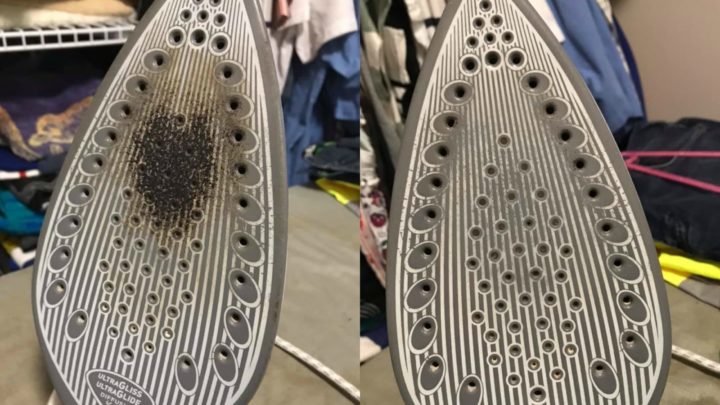
So there I was, last Tuesday morning, ironing a perfectly good white shirt for a Zoom meeting that I was already late for. I pressed down, and—zzzzzt—a horrifying brown smear appeared, like a cursed shadow of the shirt’s former self. I stared at that crusty, melted-on gunk, and realized my iron had become a tiny, angry art project. Sound familiar? (Don’t lie. You’ve been there.)
The "What Even Is That?" Moment
Before you chuck that iron out the window, let’s be real: those stains are usually just melted polyester, burnt starch, or the ghost of a sock you accidentally fused to the soleplate last year. The good news? You don’t need to buy a new one. The better news? You probably have the fix in your kitchen cabinet right now, which is ironic, because that’s where we store the stuff that made the mess in the first place.
Stop and unplug the iron first. Seriously. I know you’re impatient, but burning your fingers while trying to look fancy is a rookie move. Let it cool down completely—go make a coffee, scroll for five minutes, whatever. We’re not running a marathon here.
Must Read
The Baking Soda + Water Magic Trick
This is the nuclear option for gentle stains. Mix two tablespoons of baking soda with just enough water to make a thick, gritty paste. (Think toothpaste, not soup.) Grab an old toothbrush or a soft cloth—not your good microfiber, use the one you’d use to clean your sneakers.
Apply the paste to the cold soleplate and scrub in circles. You’re not trying to wrestle the stain; you’re persuading it to leave. The fizzing and grit will lift burnt starch and light scorch marks without scratching the non-stick surface. Wipe it off with a damp cloth. Boom. Your iron looks 40% less haunted.
The Vinegar Trap (Yes, Really)
If you’ve got stubborn, crusty buildup (the kind that feels like geology), it’s time for the classic white vinegar move. Pour a mix of one part vinegar and two parts water into the water tank. Then, set your iron to the “steam” setting and let it shoot angry clouds of vapor over an old towel for a few minutes.
Side note: your house will smell like a fish and chip shop for ten minutes. That’s the price of cleanliness. Open a window. Light a candle. Or just accept your new identity as a line cook. The acid breaks down mineral deposits from tap water, which are often the real culprit behind sticky brown drips. Empty the tank afterwards and refill with plain water to flush it out.
 Love2Laundry’s Guide to Get Rid of Iron Stains on Clothes
For melted plastic (we all do it. That polyester shirt? It was a trap.), take the cold iron and carefully scrape off the glob with a wooden toothpick or a plastic spatula. Do not use metal—you’ll scratch the soleplate and make it sticky forever. Then rub the residue with a dryer sheet. The heat-activated chemicals in the sheet help release the plastic. It sounds like witchcraft, but I promise it works.
The "Oops, I Used Too Much Starch" Cleanse
That gummy, sticky residue? That’s spray starch that baked on like a pancake at a short-order diner. Grab a clean cloth, soak it in a bit of rubbing alcohol (or even cheap vodka—don’t judge), and wipe the soleplate while it’s warm. Yes, the alcohol evaporates fast, so you have to be quick. It dissolves the starch without leaving water spots.
Pro tip from someone who learned the hard way: don’t use nail polish remover unless you want to smell like a salon and possibly melt your iron’s handle. Stick to plain alcohol.
If you’re dealing with rust spots (the orange kind that make your white linen look like it’s from a haunted house), sprinkle a little salt onto a piece of wax paper and run the hot iron over it like you’re ironing the paper. The salt acts as a fine abrasive that scrubs the rust off without damaging the plate. Then throw that wax paper away—it’s done its duty.
 How To Remove Black Stains From An Iron (Restore Your Iron's Shine
When All Else Fails: The Pencil Eraser Method
I discovered this one in a panic. A clean, high-quality pencil eraser (like the ones on those cute pink blocks) can actually buff off light scorch marks from the soleplate. It’s weirdly satisfying. Just rub gently over the stain and watch it disappear like a bad memory. No joke, this works best on Teflon-coated irons.
After any of these methods, run your iron over an old, damp rag to check if it’s still leaving marks. If it comes out clean, you’ve won. If it still has a little ghost, repeat the process—but don’t go raging into the third round. Patience is cheaper than a new iron.
The Final, Ironic Truth
Here’s the kicker: the best way to avoid these stains is to stop ironing on the hottest setting unless you’re trying to weld metal. Use the right temperature for your fabric, and always empty the water tank after every use. I know, I know—who has time for that? But trust me, fifteen seconds now saves you fifteen minutes of scrubbing burnt polyester later.
And if you still screw up? Don’t panic. You now have a whole kitchen cabinet of weapons—vinegar, baking soda, alcohol, salt. You’re not a victim of your own clumsiness. You’re a stain-fighting detective with a sponge and a sense of humor. Now go forth and iron like the majestic, slightly disorganized hero you are.
