How To Turn Off A Stopcock

Alright, let’s face it: nobody plans to become a stopcock whisperer. You’re usually standing in a puddle, water gushing like a fire hydrant at a kid’s party, thinking, “Where...
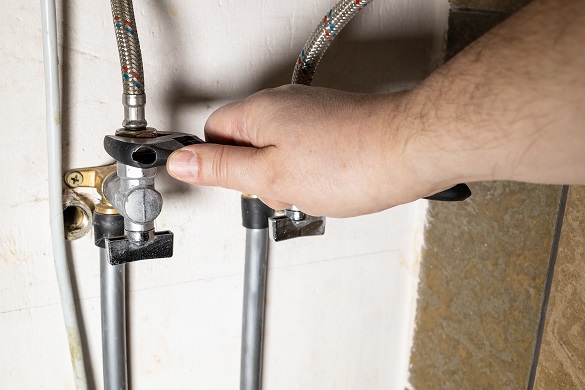
Alright, let’s face it: nobody plans to become a stopcock whisperer. You’re usually standing in a puddle, water gushing like a fire hydrant at a kid’s party, thinking, “Where did I put that toolbox from 2007?” But fear not—turning off a stopcock is way easier than explaining to your partner why the laundry room looks like an aquarium. The key is to know what you’re looking for before the chaos hits.
First, find the little guy.
Your stopcock is basically the grumpy gatekeeper of your home’s water supply. It’s usually hiding under the kitchen sink, behind a pile of cleaning sprays you swore you’d organize, or in a basement corner that smells faintly of regret. Look for a small brass or chrome valve attached to a pipe—it’s about the size of a stubby carrot, but much less edible.
If you live in an apartment, check near the main water meter or the boiler. And if you can’t find it? Just accept that your home is playing hide-and-seek with your sanity. I once found mine inside a cupboard that also contained a forgotten bag of onions and a single flip-flop. You’ll find it when you really need to.
Must Read
Okay, you found it. Now what?
Take a deep breath. This isn’t brain surgery—it’s more like putting a cap on a stubborn toothpaste tube. Most stopcocks are simple quarter-turn valves. Meaning, you only need to twist them 90 degrees—that’s a neat little right-angle move, like turning a doorknob that’s got a major attitude problem.
Grab the valve with your hand—no tools required, unless your stopcock is as stubborn as a cat refusing to get off your laptop. If it’s stiff, use a pair of pliers or an adjustable wrench, but gently. You’re not trying to start a bar fight with a pipe; you’re just asking it to take a nap. Turn it clockwise (righty-tighty) until it stops. You’ll feel a solid click or resistance.
Wait—what if it just spins and spins?
Ah, the classic “spinning wheel of panic.” Some stopcocks, especially older ones, are screw-down valves, not quarter-turn. Those need you to rotate the handle around and around—like winding a grandfather clock, but with more swearing involved. Keep turning until it feels tight and won’t go farther. If water keeps dribbling, you’ve either got a faulty valve or the universe is testing your patience.
Pro tip: Never force it past the point of resistance. A broken stopcock in a flooded house is like finding out your umbrella has a hole—it just makes everything worse. If it feels like it’ll snap, stop, call a plumber, and apologize to your socks.
 How to Find a Stopcock: A Comprehensive Guide | Fantastic Services Blog
Test your victory.
Once you’ve twisted it off, go turn on a tap—any tap—and see if water still flows. If nothing comes out, you’ve done it. You are now a hero of household hydraulics. If water still trickles, you might have turned the wrong valve, or your stopcock is older than your grandmother’s secret cookie recipe. In that case, try turning it the other way (counter-clockwise) just to be sure—some weirdos install them backwards.
And here’s a harsh truth: not every home has a fully functional stopcock. Some are hidden behind drywall, painted over by a landlord who believed in “modern art,” or simply rusted into a permanent “on” position. If that’s you, keep a medium-sized bucket and a sense of humor handy at all times.
A quick story, because why not?
I once tried to turn off the stopcock during a burst pipe at 2 AM. I had a flashlight in my teeth, and my cat was sitting on my head because he sensed I was panicking. I turned the valve, heard a clunk, and—nothing changed. Water kept spraying. Turns out I had twisted the gas valve for the stove instead. Classic move. Always double-check you’re spinning the right thing, or you’ll end up with a wet kitchen and a very confused oven.
Maintenance: be a proactive procrastinator.
Don’t wait for a disaster to meet your stopcock. Every six months, give it a gentle twist—just a tiny turn back and forth—to make sure it hasn’t seized up. Think of it like stretching before a jog you’ll never take. A little grease (silicone-based) on the stem can keep it from becoming a brutal arm workout later.
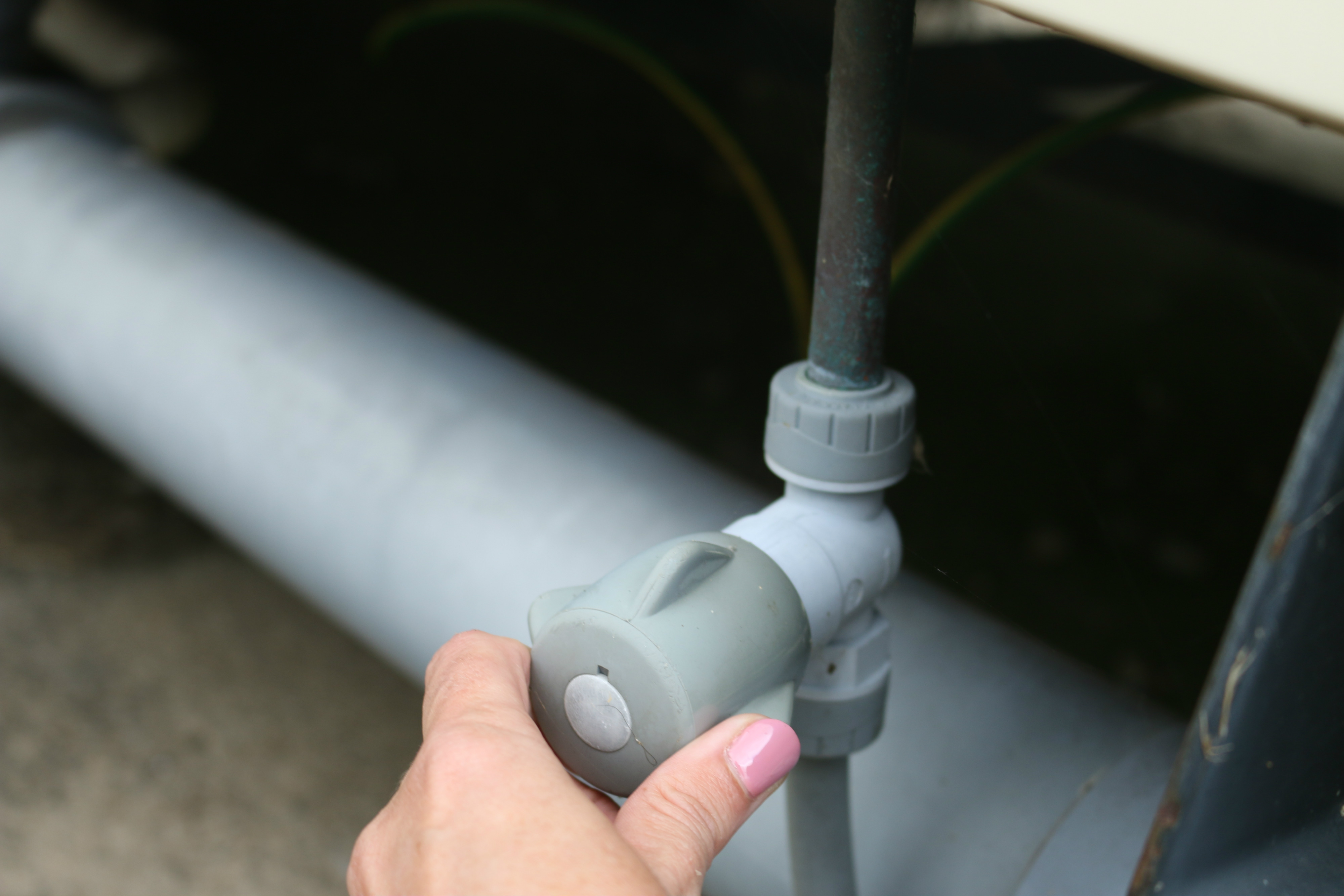 Turn off stopcock - Leisuredays News
Mark its location with a bright sticker or a piece of tape. Write “Stopcock: turn me off during floods” in permanent marker. Trust me, when water is raining from your ceiling, you won’t remember where that valve is—you’ll just remember you once saw a video about a guy with a cat on his head.
When to admit defeat.
If the stopcock is buried behind a wall, under concrete, or requires a secret handshake to access, call a professional. Plumbers have seen worse—they once fixed a toilet that had been filled with LEGOs. They won’t judge your drip, and they’ll charge less than the cost of a new carpet. Sometimes being a hero means knowing when to wave the white flag.
Also, if the water is gushing and you can’t find the stopcock at all, shut off the main water supply to your house. That’s usually a big wheel near the water meter outside, often under a metal cover that says “Water” in a font that screams industrial chic. Turning that is like hitting the emergency brake on your entire plumbing system—it works, but it’s dramatic.
Final, very casual advice.
Turning off a stopcock is 10% technique and 90% staying cool while water ruins your favorite rug. Remember: you are stronger than a leak, smarter than a valve, and more patient than a pipe that’s been silent for decades. And if all else fails, grab a towel, put on some music, and pretend you’re in a low-budget disaster movie. The stopcock will respect your courage.
Now go forth, find that little brass marvel, and give it a gentle twist. Your future flooded self will thank you—and maybe even buy you a beer.
