Why Is Toilet Water Brown

Let’s be honest: peering into the toilet bowl and seeing brown water is the kind of surprise that makes you question your life choices. You flush again. Then again. The water...
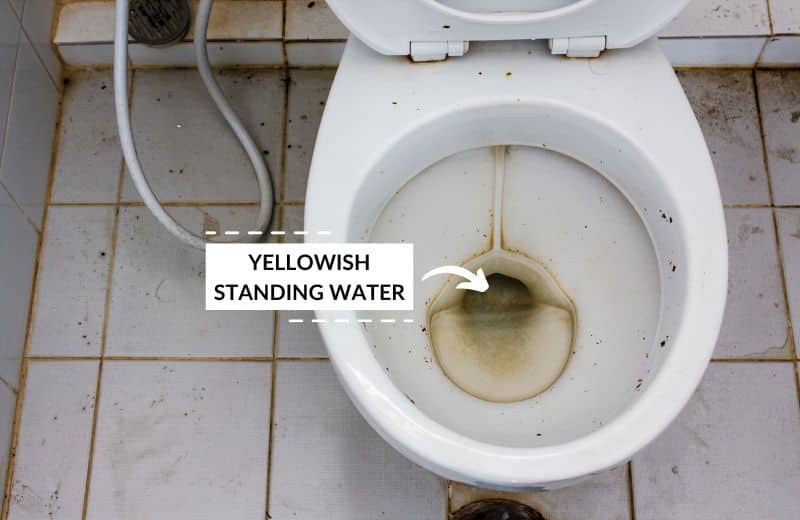
Let’s be honest: peering into the toilet bowl and seeing brown water is the kind of surprise that makes you question your life choices. You flush again. Then again. The water remains a mysterious, tea-like shade. Before you call an exorcist or a plumber, take a deep breath. This isn't a sign of a haunting or a hygiene failure; it’s actually a fascinating little story about chemistry and your water supply.
The Usual Suspect: Manganese and Iron
The most common reason for brown toilet water is also the most boring—and the most charming. Your local water utility often pipes in water that contains naturally occurring manganese and iron. These minerals are perfectly safe to drink, but they love to react with oxygen.
When this mineral-rich water sits in your toilet tank, it oxidizes, much like a cut apple turns brown. That rusty, yellow-brown tint is just the minerals “rusting” in plain sight. It’s not dirt; it’s geology taking a bath.
Must Read
Why Toilets Are the Canary in the Coal Mine
Your toilet is actually a brilliant, low-tech water quality sensor. Because it holds water for long periods without moving, it shows what’s really in your tap. Your kitchen faucet flushes out fresh water, so you never see the color change.
Think of it as your home’s quiet little magnifying glass. It reveals the invisible story of old pipes—either in your house or in the street. A sudden burst of brown water after a neighborhood hydrant test? That’s just sediment getting stirred up from the main. No drama!
 5 Reasons for Brown Toilet Water & How to Remove It
The "Oh No" Moment vs. The "Oh Well" Moment
So when should you actually worry? If the water looks like dark mud or smells like rotten eggs, that’s a different story (hello, bacteria). But clear brown with no smell? That’s almost always mineral sediment or a harmless flush of rust.
Here’s a quick test: fill a glass of water from the bathroom sink. If it’s clear, the problem is strictly in the toilet tank. If it’s brown too, the issue is in your home’s pipes or the city supply.
The Fun Science You Can Show Off
This little mystery makes for a fantastic party trick (yes, a toilet party). Next time a friend complains about brown water, you can casually say, “Ah, that’s likely ferric oxide precipitating from a municipal line flush.” Watch them stare at you like you’re a wizard. You are a wizard of boring plumbing facts.
 Why Is My Toilet Water Brown? 9 Fast & Easy Ways To Fix It Now
It’s also a great reason to finally clean your toilet tank. Pop the lid off, and you’ll likely find a layer of sediment that looks like a beach at low tide. Scrub that out (with vinegar, not bleach!), and your water will likely clear up by the next fill.
The Uplifting Takeaway
Here’s the really good news: this strange little brown inconvenience is actually a sign that your water is natural and alive. Perfectly clear, distilled water is dead water—it lacks the minerals that make it taste good and support life. Your toilet is showing you that the Earth is still in your pipes.
So the next time you see that brown tint, don’t panic. Smile. You’ve just witnessed a tiny, invisible miracle of geology. You’ve learned why your water isn’t boring, why your toilet is a hero, and that a little bit of rust is nothing to fear. Go forth, flush with confidence, and share your newfound wisdom. The world is full of mysteries, and now you’ve solved one of the most unexpectedly delightful ones.
