How Does A Ro System Work

Let’s be honest: water is the ultimate hype man for your body. It keeps your skin glowing, your brain sharp, and your coffee from tasting like regret. But not all water is cre...

Let’s be honest: water is the ultimate hype man for your body. It keeps your skin glowing, your brain sharp, and your coffee from tasting like regret. But not all water is created equal, and if you’ve ever sipped from a tap in a new city and felt a little… mineral-y, you know exactly what I mean. That’s where the unsung hero of modern hydration steps in: the Reverse Osmosis system. It sounds like something out of a sci-fi lab, but it’s actually the chillest way to get crystal-clear H2O at home.
The Science of the Sip (But Make It Fun)
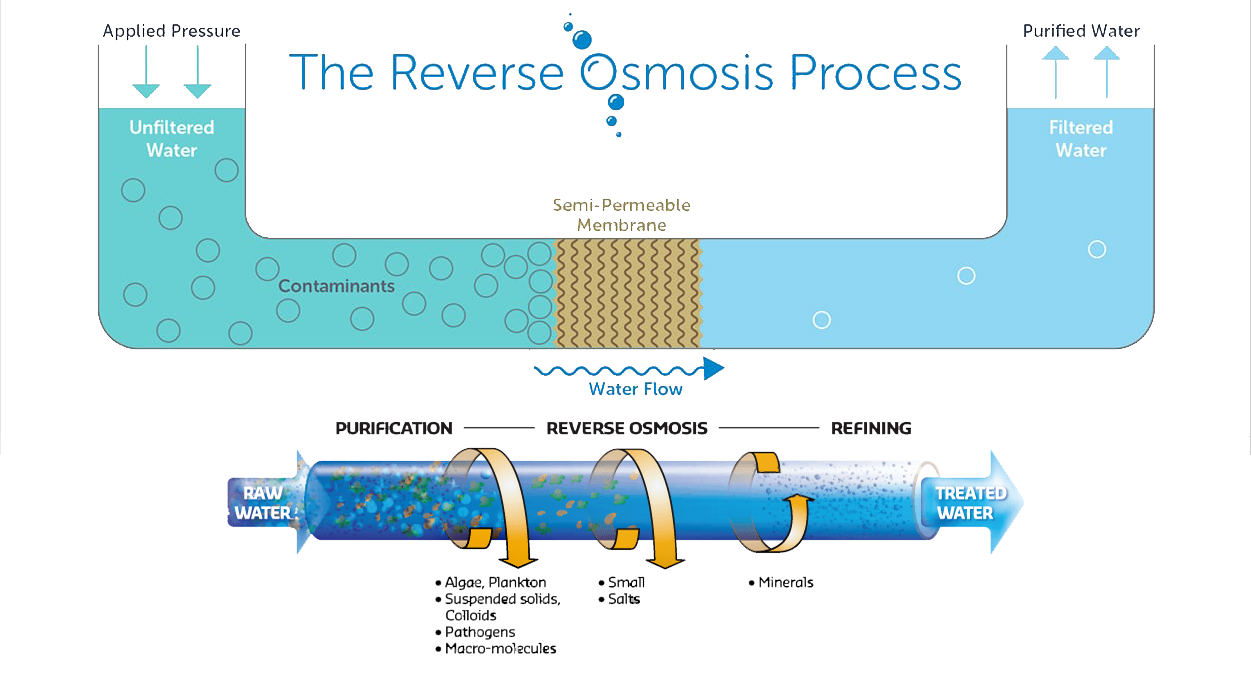
Imagine you’re at a music festival, and your favorite band is playing behind a massive security gate. The gate only lets in people with VIP passes. Reverse Osmosis works exactly like that, but for water molecules. It forces tap water through a super-fine semipermeable membrane—think of it as a velvet rope for contaminants.
This membrane has pores so tiny (about 0.0001 microns) that only pure water molecules can squeeze through. Everything else—lead, chlorine, pesticides, even that funky sulfur smell—gets bounced back and flushed away. It’s like having a personal bouncer for your drinking glass.
Must Read
Fun fact: RO systems were originally developed to turn seawater into drinking water on submarines. So when you sip that filtered water, you’re drinking like a naval officer. Pop culture cred included.
What Actually Gets Kicked Out?
Let’s get specific, because this is where the magic lives. A good RO system removes up to 99% of total dissolved solids (TDS). That includes the usual suspects: lead, arsenic, fluoride, nitrates, and even microplastics. If it’s not a water molecule, it’s probably getting the boot.
It also takes out chlorine and chloramines, which are the chemicals that make tap water smell like a swimming pool. After RO, your water tastes neutral—like nothing in the best possible way. It’s the subtle flex of pure hydration.
Cultural reference time: Remember that scene in The Matrix where Neo sees the code? That’s basically what a RO membrane does to your water—it sees the bad stuff and says, “Not today.”
The Setup: More Than Just a Filter
A full RO system isn’t just one filter—it’s a tiny water treatment plant under your sink. It usually starts with a sediment filter to catch big particles (sand, rust), then a carbon filter to snag chlorine and odors. After that, the water hits the RO membrane for the main event.
Finally, a post-carbon filter polishes the taste before the water hits your glass. Some systems even have a remineralization stage, because ultrapure water can taste flat. It adds back calcium and magnesium for that “mountain spring” vibe.
 What Is Reverse Osmosis And How Does It Work
Practical tip: Look for a system with a “permeate pump.” It makes the process more efficient by using the waste water pressure to help push clean water through. Your wallet and the planet will thank you.
The Flow Rate Reality
Here’s the thing: RO is slow. Like, meditation-level slow. A typical system produces about 50 to 75 gallons per day, which translates to a slow trickle from your faucet. That’s why most systems include a storage tank—usually 2 to 4 gallons—so you’re never left thirsty.
You won’t be filling a pot for pasta in 30 seconds. But for drinking water, coffee, and ice cubes? It’s perfect. Think of it as the slow food movement for hydration.
Fun fact: Every gallon of RO water produces about 3 to 4 gallons of “reject” water that goes down the drain. That sounds wasteful, but modern systems can reroute that water to your garden or toilet. It’s a little eco-hack that makes you feel like a sustainability guru.
Installation & Maintenance: Easier Than Assembling IKEA Furniture
Most under-sink RO systems come with color-coded hoses and push-fit connectors. If you can follow a LEGO instruction manual, you can install one. It usually takes an hour, and you don’t need to be a plumber.
Maintenance is just as chill: you swap out the sediment and carbon filters every 6 to 12 months. The RO membrane itself lasts 2 to 3 years. Most systems have indicator lights or simple reminders, so you don’t have to keep a spreadsheet.
 Reverse Osmosis Filter Replacement And RO Membrane Guide (2026)
Pro tip: Keep a log of your filter changes on your phone’s notes app. Future you will be grateful when the water starts tasting slightly “off.”
Is It Worth The Hype?
If you live somewhere with hard water, old pipes, or just a general distrust of municipal treatment, yes, absolutely. The taste difference is night and day, and you’ll notice it most in tea and coffee. No more cloudy ice cubes or weird white residue in your kettle.
For renters or people in apartments, consider a countertop RO unit. No installation required—just plug it in, fill the tank, and go. It’s like having a boutique water bar on your kitchen counter.
Cultural touchstone: In many parts of the world, bottled water is a status symbol. With RO, you get the same purity without the plastic guilt. You’re basically manifesting a sustainable, bougie lifestyle.
The Verdict: Sip Slow, Live Clean
At the end of the day, a Reverse Osmosis system is more than a gadget—it’s a quiet upgrade to your daily rituals. It turns a forgotten chore (refilling the Brita) into a moment of intentionality. You start to appreciate the stillness of a glass of water that tastes like nothing, but means everything.
So next time you take a sip, remember: that water traveled through a labyrinth of filters, membranes, and tanks just to reach your lips. It’s a little victory every time you drink. Stay hydrated, you beautiful human.
