How To Test Iron In Water

Let’s talk about rusty water. It’s not just for old pipes and horror movies. Testing your water for iron is like being a kitchen detective with a secret mission. Why bother?...
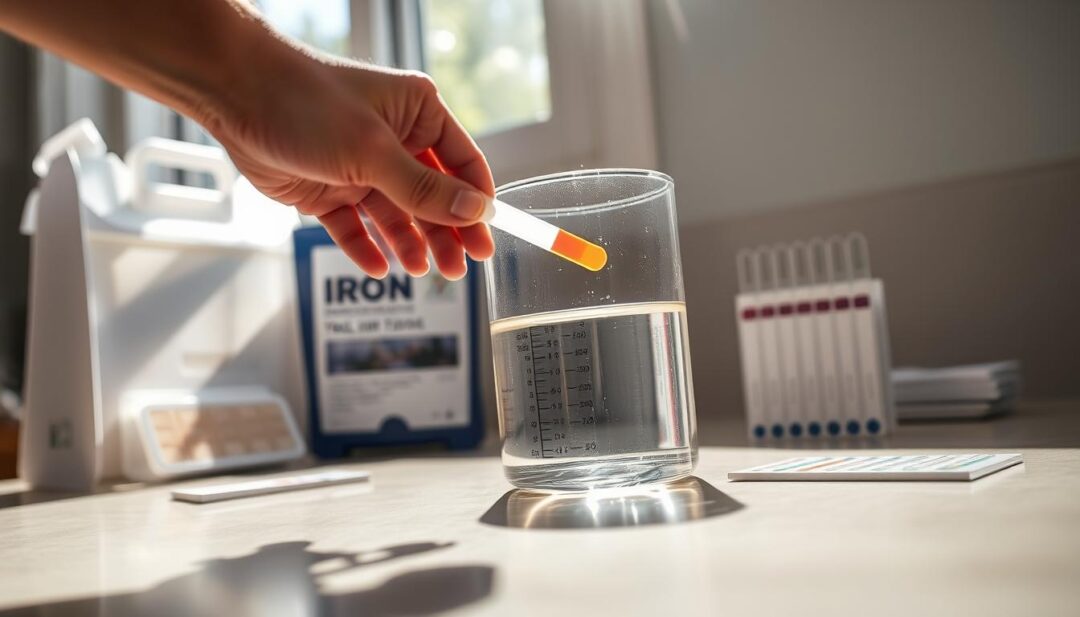
Let’s talk about rusty water. It’s not just for old pipes and horror movies. Testing your water for iron is like being a kitchen detective with a secret mission.
Why bother? Because iron turns your laundry orange. It makes tea look like mud. And it can give your morning coffee a weird, metallic tang that ruins everything.
First, trust your eyes. Fill a clear glass from the tap. Hold it up to the light. If it looks like weak iced tea, you’ve got iron.
Must Read
But here’s the quirky part: clear water can still be hiding iron. It’s called “clear-water iron.” You can’t see it until it hits air. That’s sneaky chemistry at its finest.
The Rubber Glove Trick
Grab a white bucket. Not a clear one—white. Why? White shows yellow and orange stains like a gossipy friend.
Fill it with tap water. Let it sit for 24 hours. No cheating. Come back and stare at the bottom. If you see a rusty-orange ring, you’ve found iron. Congratulations—you’ve just done science.
Fun fact: That orange ring is actually iron oxide. Same stuff that makes Mars red. Your water bucket just became a mini planet.
The Potato Test (Yes, Really)
This one is weird. Take a raw potato. Cut it in half. Rub the cut side on a wet spot of your sink or tub. Let it sit for ten minutes.
If the potato turns black or blue-black, you’ve got iron. It’s a chemical reaction between iron and tannins in the potato. Your spud just became a water detective.
I’m not kidding. This works. It’s also a great party trick. Just warn guests before you rub potatoes on their plumbing.
The Bleach-Check Surprise
Pour a cup of tap water into a glass. Add a few drops of unscented household bleach. Stir gently. Wait five minutes.
 How-to analyze iron in a drinking water sample - YouTube
If it turns yellow or red, you have iron. The bleach oxidizes it instantly—like a magic trick, but with chemistry. Just don’t sniff the glass afterward. Bleach fumes are no joke.
This test only works for clear-water iron. If your water is already rusty, skip this. You don’t need to turn a swamp into a swampier swamp.
The Toilet Tank Clue
Lift the toilet tank lid. Carefully. Look at the inside walls. See any rusty slime? That’s iron-loving bacteria. They build gross, reddish biofilms.
These bacteria eat iron. They’re real tiny vampires for metal. If they’re partying in your toilet, you have iron.
Pro tip: Don’t touch the slime. Use a plastic spoon. Or a stick. Trust me—it stains everything.
Kick It Old-School: Taste Test
Iron has a flavor. It’s like licking a coin or a cold piece of fence. If your water tastes metallic, that’s a dead giveaway.
But here’s the fun part: some people can’t taste it. It’s genetic, like cilantro or asparagus pee. If you think your water’s fine but your friend gags, you may be a “metal-blind” taster.
Use a clean spoon. Sip a tiny bit. Swish it around. If your tongue feels dry or astringent, that’s iron too. It’s like a sour patch for your water.
The Litmus Paper Party
Buy a simple iron test strip online. They’re cheap—like a dollar per strip. Dip it in water for a few seconds. Watch the color change.
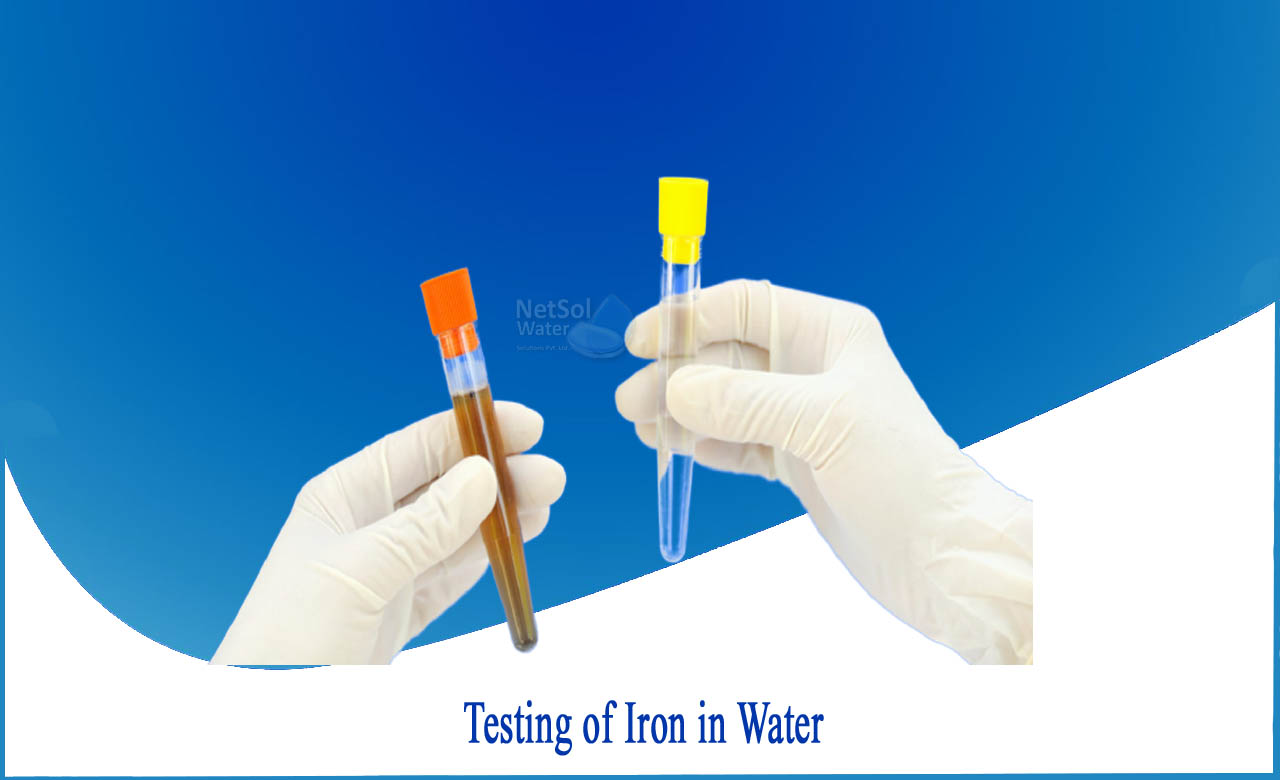 Iron Water Test
You’ll get a little chart that says “safe” (pale) or “ugh” (deep orange). It’s the closest you’ll get to a real CSI moment. No lab coat required.
Fun warning: Test strips can expire. Check the date. Old strips lie like a politician in an election year.
Why You Should Actually Care
Iron isn’t dangerous to drink (you need a little). But it wrecks appliances. Your washing machine, dishwasher, and water heater all hate iron.
It builds up like plaque in arteries. Only it’s orange sludge. And it costs you money in repairs. Knowing your iron level is financial self-defense.
Plus, iron water stains white sinks. It turns your bathtub into a crime scene. Testing now saves hours of scrubbing later. Your future self will thank you.
The Final Quirk: Iron in Ice
Freeze some tap water. Wait. If the ice looks yellow or orange, you’ve got iron. Iron concentrates as water freezes—like a tiny, frozen confession.
This test works best with small ice cubes. Big ones might just look weird. But it’s a great excuse to make fancy cocktails while doing science. Just don’t use that ice for whiskey.
And if your ice is clear? You might still have iron. That’s okay—testing is about fun curiosity, not panic. You’re just exploring your home’s secret chemistry.
So grab a glass, a potato, or some bleach. Become a water detective. You now have the power to uncover what your pipes are hiding. And maybe, just maybe, find out why your laundry looks like a rust monster’s wardrobe.
