How To Fix Water Softener

Let’s be honest: your water softener is the unsung hero of your home. It’s the reason your skin feels like silk after a shower and why your coffee maker hasn’t surrendered to...
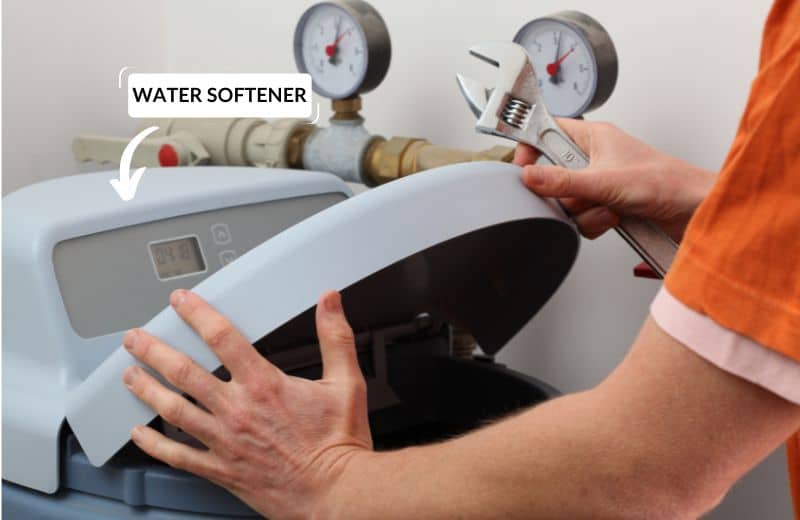
Let’s be honest: your water softener is the unsung hero of your home. It’s the reason your skin feels like silk after a shower and why your coffee maker hasn’t surrendered to a chalky, white grave. But when that tank starts acting up—leaking, refusing to regenerate, or just making ominous gurgling noises—the panic sets in. Relax. Fixing a water softener is less like brain surgery and more like giving your trusty dishwasher a pep talk.
The Soft Life Goes Hard
First, know your enemy: hard water is just water with a lot of calcium and magnesium. Your softener uses resin beads to swap those minerals for sodium. When the beads are full, a brine flush—called regeneration—cleans them. If that process stops, you get hard water again. Think of it as a tiny, very diligent janitor who occasionally needs a day off.
Before you touch anything, unplug the unit. Seriously. Water and electricity are a classic bad romance—think Romeo and Juliet, but with sparks and insurance claims. Also, turn off the water supply to the softener. A simple valve, usually right behind the unit, will stop any surprise floods.
Must Read
Problem #1: The Salt Bridge (The Culinary Crisis)
You peek into the brine tank and see a solid, crusty layer of salt. That’s a salt bridge. It looks like a giant salt cookie, and it’s blocking the water from mixing with the salt. It’s the most common—and easiest—fix.
Take a broom handle (or any long, blunt object) and gently poke the bridge to break it up. Don’t jab like you’re fighting a monster—unless that monster is bad plumbing. Be gentle. Once it breaks, scoop out any chunks that fall into the tank. Fun fact: a salt bridge forms because of high humidity or using the wrong type of salt. Avoid the cheap stuff; solar salt or evaporated salt dissolves better and keeps you bridge-free.
Problem #2: The Motor That Won’t Spin (The Silent Scream)
You hear a hum, but the softener isn’t cycling. That usually means the motor is working, but something is stuck. Think of it like trying to start a lawnmower with a clogged fuel line. The culprit is often a stuck piston or a clogged venturi valve.
Look for the venturi valve—it’s a small, black plastic piece with a tiny screen. Take it off, rinse the screen under warm water, and use a toothbrush to remove any salt or grit. It’s like cleaning a very small, very important coffee filter. If the motor is completely silent? You might need a new circuit board. That’s a call-to-a-pro moment unless you’re handy with a multimeter.
Problem #3: The Leaky Drippy Drama (Water Everywhere)
Water pooling around the base? Check the bypass valve first. Those cheap plastic handles can crack. Twist it to “Service” mode and see if the leak stops. If it does, you just need a new bypass valve—a $20 fix at any hardware store.
 How to Replace the Water Softener Resin? – SoftPro® Water Systems
If the leak is from the resin tank itself, that’s a different beast. You might have a crack from freezing or age. In that case, do not try to patch it. Resin tanks are pressurized. Tape and glue will fail. Replace the entire tank or the whole unit. It’s expensive, but water damage is more expensive. Your homeowner’s insurance will thank you.
The Digital Reset (The Millennial Fix)
Sometimes, your softener is just being dramatic. Unplug it for 30 seconds, then plug it back in. That’s the “have you tried turning it off and on again?” method. It works for software, and it works for smart softeners with digital controllers. Fun fact: many modern softeners run on a tiny computer that can freeze up just like your laptop when you have too many browser tabs open—except here, the tabs are salt levels and water flow.
If the display is blank, check the power cord and the outlet. A tripped GFCI is a classic villain. Press the reset button or flip the breaker. It’s almost too easy, but it works about 40% of the time.
The Brine Tank: A Little Chemistry Lesson
You need salt, but not too much. The brine tank should be about half full. Below that? You risk wasting time. Above that? You risk bridging. Pro tip: add a bag of resin cleaner once a year. It removes iron buildup that makes your water taste like a rusty pipe. It’s like a spa day for your softener.
Also, check the brine hose—the little tube that connects the brine tank to the control head. If it’s kinked or clogged with salt mush, your regeneration won’t work. Blow through it like you’re clearing a straw. If air doesn’t flow, replace it. It’s $5 and ten minutes of your life.
 How Do I Fix My Water Softener at David Daigle blog
When to Call for Backup
If you’ve tried all of the above and your water is still hard, you might have resin bead damage. Those tiny beads can wear out after 10-15 years. They start looking like broken gravel instead of smooth spheres. Replacing the resin is messy and time-consuming. Most people just buy a new softener. It’s the “replace the entire car because the radio broke” move, but sometimes, it’s the right call.
Another pro signal: if you smell a rotten egg smell. That’s sulfur bacteria growing in the tank. You can shock the system with hydrogen peroxide, but if it persists, your softener might be beyond saving. Don’t cry—treat yourself to a nice new model with a smart app and a WiFi connection.
The Gentle Art of Maintenance
The best fix is prevention. Every month, check the salt level and break up any crusty layer. Every six months, give the venturi a rinse. Once a year, run a cleaning cycle with a commercial softener cleaner. It’s the same logic as changing your car’s oil: a little effort now saves a lot of headache later.
Fun fact: the average water softener uses about 40-60 gallons of water per regeneration. That’s roughly the same as a 10-minute shower. So when you fix it, you’re not just saving your pipes—you’re saving water. You’re a eco-hero in a high-efficiency tank top.
Reflection: There’s something oddly grounding about fixing a machine that makes your daily life smoother. In a world of chaos, a softener that works is a small, quiet promise that you can have nice things. It reminds you that even the smallest household chores—like a glass of water that tastes clean—are tiny luxuries worth protecting. So grab that broom handle, give your unit a gentle tap, and enjoy your silky-smooth tomorrow.
