Why Is My Scalp So Flaky

So, picture this: I’m at a coffee shop, minding my own business, wearing a black sweater. I go to scratch my head, and suddenly it looks like a tiny snowstorm hit my shoulders...

So, picture this: I’m at a coffee shop, minding my own business, wearing a black sweater. I go to scratch my head, and suddenly it looks like a tiny snowstorm hit my shoulders. Friends, I was not in a winter wonderland—I was in a flaky crisis.
If you’ve ever been betrayed by your own scalp, you know the panic. You start avoiding dark clothes like they’re cursed. You wonder: Is this normal? Am I secretly turning into a reptile?
Spoiler alert: you’re not a lizard. But the flakiness? That’s real, and it’s more common than you think. Let’s break down why your scalp is acting like a dandruff factory—and what you can do about it (without burning your wallet).
Must Read
The Usual Suspect: It’s Probably Dandruff
First up, the most obvious culprit: dandruff. This isn’t a hygiene fail—it’s actually a yeast-like fungus called Malassezia that lives on most scalps. (Thanks, biology.)
When this little guy overgrows, it irritates your skin, causing it to shed faster than normal. That’s why you get those white or yellow flakes that cling to your hair like they’re paying rent.
Don’t worry—dandruff is super manageable. Try a shampoo with zinc pyrithione or selenium sulfide. But here’s the kicker: you have to leave it on for a few minutes. Not just a rinse-and-go—that’s like washing your car and expecting it to stay clean without soap.
The Dry Scalp Trap: Not All Flakes Are Created Equal
Here’s where it gets tricky. Dandruff flakes are usually oily and yellowish. But if your flakes are small, white, and dry—like powder—you might have dry scalp, not dandruff. (Yes, they’re different.)
Dry scalp happens when your skin lacks moisture—thanks to cold weather, harsh shampoos, or over-washing. Your skin gets thirsty, and it responds by flaking off in protest.
I’ve been there: using a clarifying shampoo every day thinking I’m deep-cleaning, only to make things worse. Look at me, giving myself a desert on my head. Rookie mistake.
Fix it: Dial back on shampooing, use lukewarm water (hot water is the enemy), and follow up with a light conditioner or a few drops of jojoba oil on your scalp. Your skin will thank you.
 Dandruff Flakes
The Plot Twist: Seborrheic Dermatitis
Okay, let’s get real. Sometimes the flaking is angry, red, and stubborn. That might be seborrheic dermatitis—a fancy term for a chronic inflammatory skin condition. It’s like dandruff’s grumpy older cousin.
This one loves to live on your scalp, but also behind your ears, on your eyebrows, and even your chest. Great, so it’s a whole-body thing, huh?
If you see yellowish, greasy scales that stick to your scalp, or if it feels itchy and tender, you might need a medicated shampoo with ketoconazole or coal tar. And yes, check with a derm if it’s persistent—nobody wants to suffer alone in flake-town.
The Over-Washing Paradox
Here’s a twist: washing your hair too often can actually increase flaking. I know, it sounds backwards. But when you strip natural oils, your scalp goes into panic mode and overproduces oil to compensate. That feeds the fungus. Cue the flakes.
So what’s the magic number? It depends on your hair type. Oily scalps can handle every other day. Dry or curly hair? Once or twice a week is fine. Your scalp is not a toilet—it doesn’t need scrubbing daily.
The Product Pile-Up
Another sneaky cause: all the stuff you put on your hair. Dry shampoo, gels, pomades, heavy conditioners—they can build up and block your scalp’s breathing. It’s like wearing a plastic bag over your head, but with fewer fashion points.
If you use hair products, try a clarifying shampoo once a week (not more!) or an apple cider vinegar rinse. The vinegar smell fades, I promise. And your scalp will feel reborn.
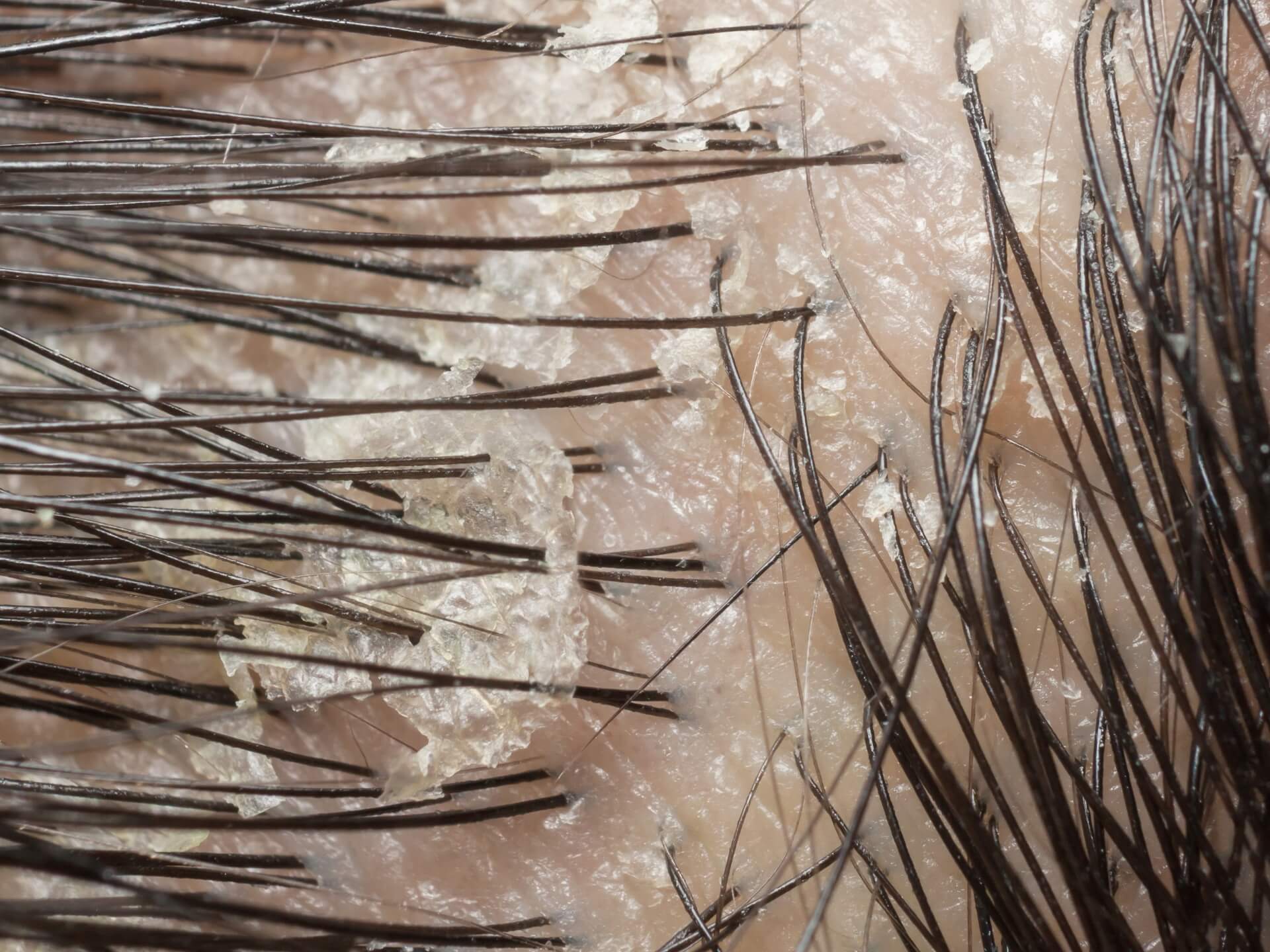 How to Fight Dandruff: The Ultimate Guide to a Healthy Scalp – THE EVERY
Stress: The Ultimate Flake Magnet
Let’s not ignore the elephant in the room: stress. When you’re stressed, your body ramps up oil production, cortisol spikes, and inflammation follows. Boom—flaky scalp activated.
I remember a work deadline that turned my head into a snow globe. Really? My own body decided to add ‘scalp crisis’ to my to-do list?
It’s not your fault, but managing stress—through sleep, movement, or even just laughing at the absurdity—does help. Your scalp is basically a mood ring.
When to Actually See a Doctor
Most flakes are harmless, but sometimes they’re a sign of something else: psoriasis (red, silvery patches), contact dermatitis (allergy to a hair dye), or even a fungal infection that needs prescription meds.
If your scalp is weeping, cracked, or if the itching keeps you up at night, go see a dermatologist. It’s not overkill—it’s self-care. You wouldn’t ignore a weird noise in your car engine, right?
Same for your head. You only get one scalp. Treat it like the VIP it is.
So, next time you see flakes on your shoulder, take a breath. You’re not broken. You’re just… shedding. It happens. And now you know how to fight back—with the right shampoo, a gentler routine, and maybe a little less stress. Your scalp (and your dark shirts) will thank you.
Now go forth, and flake no more.
