How To Remove Hard Water

Okay, let’s be real for a second. Hard water is that uninvited guest who shows up to every party, leaves nasty white spots on your glasses, and makes your skin feel like sandp...

Okay, let’s be real for a second. Hard water is that uninvited guest who shows up to every party, leaves nasty white spots on your glasses, and makes your skin feel like sandpaper. You know the stuff—it’s that mineral-packed nightmare from your tap that leaves a chalky film on everything. Sound familiar? Thought so.
So, how do we evict this crummy tenant from our showers, sinks, and kettles? First, let’s get one thing straight: you’re not alone in this fight. Most of us are waging war against calcium and magnesium deposits every single day. But don’t worry—we’re gonna win this thing, and we’ll do it with stuff you probably already have in your pantry.
Step One: The Vinegar Miracle
White vinegar is basically liquid gold for hard water stains. I’m not exaggerating—it’s like kryptonite for that crusty buildup. Grab a spray bottle and fill it with equal parts vinegar and water. Yes, it smells like a pickle factory exploded. But trust me, the smell fades, and the shine is worth it.
Must Read
Spray it on your faucets, showerheads, and glass doors. Let it sit for at least 10 minutes—go scroll your phone or something. Come back, scrub with a soft cloth, and watch the white stuff dissolve like magic. Seriously, it’s almost satisfying.
What About Your Kettle or Coffee Maker?
Oh, you know that funky white sludge inside your kettle? Fill it with a 50/50 mix of vinegar and water, then boil it. Let it sit overnight if you’ve got time. In the morning, dump it out, rinse a couple times, and boom—no more chalky tea.
Same trick works for your coffee maker. Run a full cycle with vinegar water, then run two cycles with plain water. Your morning brew will thank you. And so will your taste buds.
Step Two: Lemon Juice to the Rescue
If you hate the smell of vinegar (I get it, really), lemon juice is your hero. It’s packed with citric acid, which eats mineral deposits for breakfast. Cut a lemon in half, rub it directly on faucet stains, and rinse. Instant sparkle, plus your kitchen smells like a summer day.
For bigger jobs, mix lemon juice with a bit of salt to make a paste. Scrub that onto stubborn rings in the toilet bowl or bathtub. Let it sit for 15 minutes, then flush or rinse. You’ll feel like a cleaning wizard.
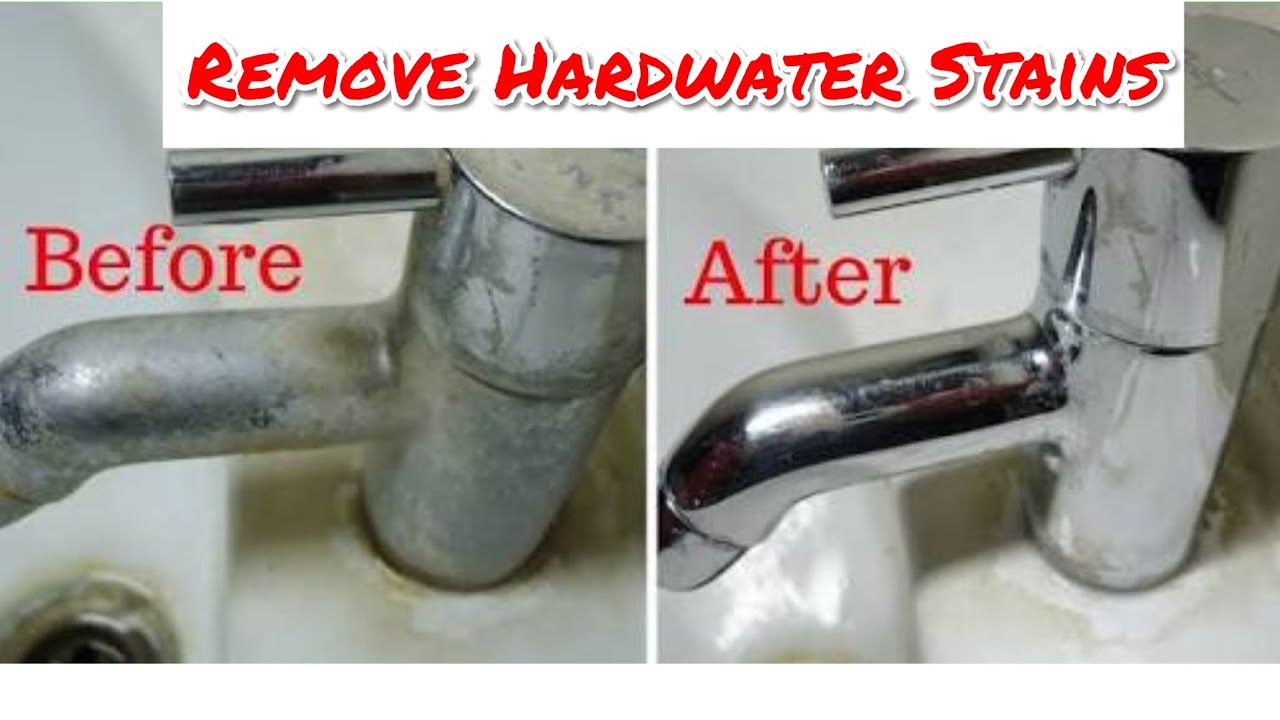 How To Remove Hard Water Stains From Taps and Tiles | Indian Home - YouTube
Step Three: The Baking Soda Power Move
Sometimes hard water needs a little grit. That’s where baking soda comes in—it’s like the gentle bouncer of cleaning products. Make a paste with water (or a splash of vinegar for extra bite) and rub it on shower doors or ceramic sinks. It scrubs away mineral buildup without scratching surfaces.
For a real two-for-one: sprinkle baking soda on a damp sponge, add a drop of dish soap, and go to town on your bathtub. You’ll see bubbles, you’ll see grit, and you’ll see stains vanish. Rinse well, and you’re done.
Step Four: Don’t Forget Your Dishwasher
Your dishwasher is probably the biggest victim of hard water. Those white spots on your glasses? That’s the water bossing you around. Fill the detergent cup with vinegar and run an empty cycle once a month. It’s like a spa day for your machine.
Also, check your rinse aid compartment. Using a rinse aid (like the stuff in a blue bottle) helps water slide off glassware so it dries spot-free. I know it’s one more thing to buy, but your wine glasses will finally look clean instead of frosted.
Step Five: The Long-Term Fix (Yes, You Have Options)
If you’re really tired of fighting this battle, consider a water softener. It’s a bigger investment—like, $500 or more—but it completely changes your water. No more spots, no more dry skin, and your soap will actually lather. It’s basically a miracle box for your pipes.
 How To Remove Hard Water Stains (6 Easy Methods)
Or you could get a simple showerhead filter. They’re under $30 and screw right on. It won’t fix your whole house, but your shower glass will stop looking like it has a disease. Baby steps, folks.
A Few Quick Hacks for Desperate Times
If you’re in a pinch and guests are arriving in ten minutes, try drying your glassware with a microfiber cloth immediately after washing. That prevents water spots from forming. It’s not a cure, but it’s a Band-Aid. Also, rub a bit of car wax on your shower doors—it repels water and stains. Weird? Yes. Effective? Absolutely.
Another weird one: use a pumice stone on toilet rings. Wet the stone, gently rub the hard water line just above the water, and poof—it’s gone. Just don’t press too hard or you’ll scratch the porcelain. Nobody wants a scratched toilet.
The Takeaway (Because We’re Friends Now)
Listen, hard water isn’t going anywhere on its own. But you’ve got an arsenal now: vinegar, lemon, baking soda, and a little elbow grease. You are in control. Next time you see those white spots, just smile, grab your spray bottle, and mutter “not today, calcium.”
And hey, if all else fails, move to a place with soft water. Just kidding. (Mostly.) Now go forth and banish those deposits—your faucets are begging you. You’ve got this.
