How To Make Water Softer

Let’s be honest: hard water is a bit of a party pooper. You know the feeling—you just washed your hair, but it feels like straw. Or you get out of the shower and your skin fee...
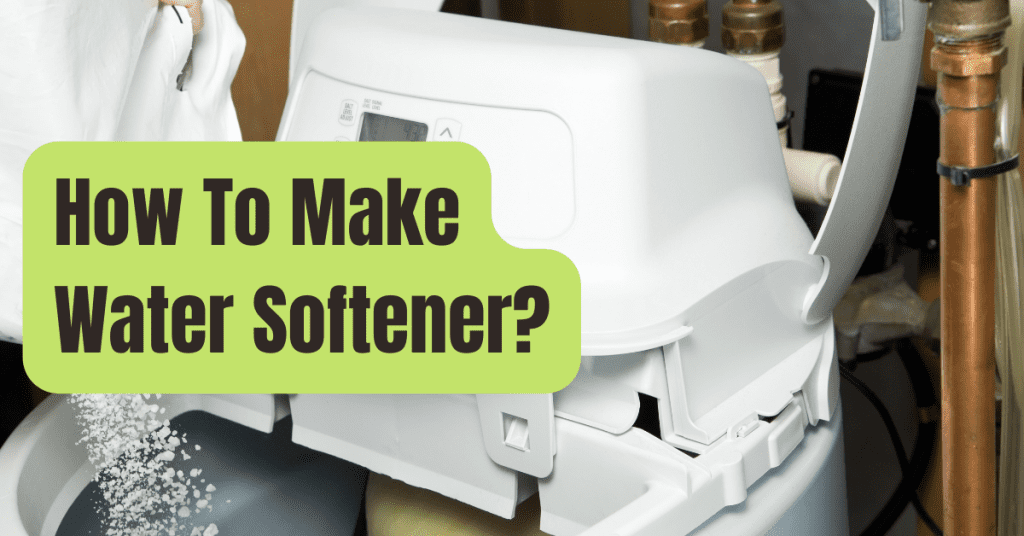
Let’s be honest: hard water is a bit of a party pooper. You know the feeling—you just washed your hair, but it feels like straw. Or you get out of the shower and your skin feels tight and itchy.
Maybe you’ve spotted those chalky, white crusts on your faucets. That’s hard water, and it’s essentially water that’s packed with too many minerals, like calcium and magnesium. It’s not dangerous, but it makes your soap less bubbly and your coffee taste a little weird.
The good news? You don’t need a chemistry degree or a fancy lab to fix it. We can absolutely make water softer right at home, often with things you already have in your kitchen cupboards.
Must Read
Why Bother Softening It?
Think of your skin and hair as a soft, fluffy towel. Hard water is like rubbing sandpaper on it. Soft water, on the other hand, leaves everything feeling smooth and silky.
It also saves your appliances. Your kettle, coffee maker, and washing machine will stop building up that ugly limescale crust. They’ll live longer and work better—kind of like giving them a spa day.
Plus, your detergent and soap will actually foam the way they’re supposed to. You’ll use less soap, save money, and your clothes will feel softer. It’s a win-win for your wallet and your skin.
The Simple, Everyday Fixes
Let’s start with the easiest trick in the book: boiling water. This is the old-fashioned, no-fuss method. Just boil a pot of water for about ten minutes, then let it cool.
The heat makes the calcium and magnesium settle at the bottom like tiny, sleepy rocks. Pour the top layer carefully into a jug, and you’ve got softer water for your plants, tea, or even your morning face wash.
Another kitchen hero? Baking soda. Add half a teaspoon of baking soda to a full bathtub of warm water or a bucket of laundry water. It helps neutralize the minerals, making the water feel less harsh.
 Water Softeners | Midwest Smart Water Solutions
The Vinegar Trick (Yes, Really)
You already know vinegar is great for cleaning. But did you know it’s a mineral magnet? It won’t instantly turn hard water soft, but it prevents that rock-like buildup on your faucets.
Soak your showerhead in a bag of vinegar overnight. Pour a cup of it into your washing machine’s rinse cycle once a month. Your clothes will come out smelling like a kitchen, but they’ll be much softer.
For a quick fix, just add a splash of apple cider vinegar to your final hair rinse. It helps strip away the mineral residue, leaving your hair shiny and less frizzy. Just rinse well with plain water afterwards.
Setting Up a Low-Tech System
If you’re feeling a little more adventurous, try a pitcher filter. You can buy one at any grocery store for about twenty dollars. It’s like a Brita, but specifically designed to reduce hardness.
These filters use a special resin that swaps the hard minerals for softer ones, like sodium. It’s not a total fix for your whole house, but it makes your drinking water taste great. It’s perfect for making tea or filling a kettle.
Another cool trick: a cheesecloth bag filled with clean pebbles or sea salt placed in your water jug. This is an old folk method, but it can help balance the water’s pH a little over a few hours. It’s more about removing impurities than true softening, but it works in a pinch.
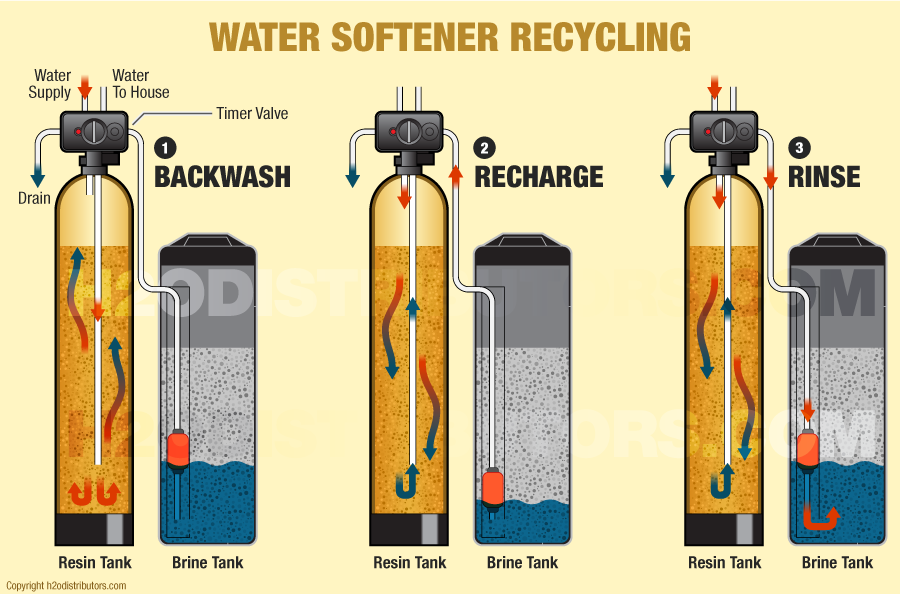 How Does A Water Softener Work Step By Step | Detroit Chinatown
The Big Guns: Whole-House Solutions
For people who are really serious about soft water, there are water softener systems. These are those tall, salt-filled tanks you see in some basements or garages.
They use a process called ion exchange to strip out all the calcium and magnesium. It’s the most effective way to get truly soft water for your entire house, from the shower to the washing machine.
Installing one usually requires a plumber, and you’ll need to buy bags of salt regularly. But if you live in an area with very hard water—where your hair feels like straw every single day—it’s a total game-changer.
A Gentle Reality Check
Don’t stress if you can’t install a whole-house system. You don’t need to live in a lab. Even small changes can make a big difference in how your skin feels and how your coffee tastes.
Start with boiling your kettle water for a week. See if your morning tea feels lighter. Try the baking soda in your bath for a weekend soak. Your body will thank you.
Remember, soft water is about feeling good, not about perfection. It’s about having skin that doesn’t itch, hair that bounces, and a kettle that doesn’t look like a snow globe.
So go ahead, give one of these tricks a try. You might just fall in love with your own tap water all over again. And honestly, isn’t that a nice thought for a Wednesday?
