What Is A Pfas Chemical

I was camping last weekend—glamping, really, because my version of “roughing it” includes a waterproof jacket and a non-stick pan for my campfire eggs. You know the feeling: y...
I was camping last weekend—glamping, really, because my version of “roughing it” includes a waterproof jacket and a non-stick pan for my campfire eggs. You know the feeling: you’re flipping that egg, and it slides around like it’s on ice. But then I read the tag on my jacket: “Durable water repellent,” it boasted. I started wondering: what’s actually making this stuff work? That’s how I fell down the rabbit hole of something called PFAS chemicals. And honestly, it’s a bit of a mind-bender.
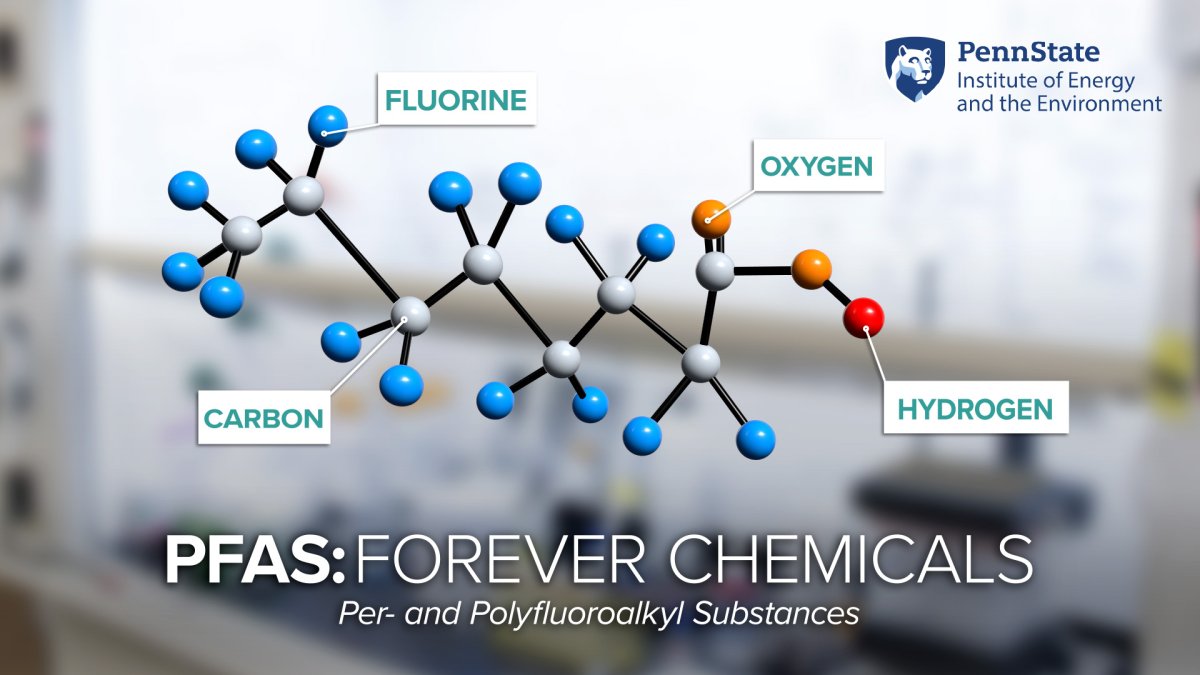
So, PFAS stands for per- and polyfluoroalkyl substances. That’s a mouthful, right? Think of them as a family of thousands of human-made chemicals that are basically indestructible. They’re built with super-strong carbon-fluorine bonds—one of the strongest in chemistry. It’s the same reason your non-stick pan doesn’t stick, your rain jacket repels water, and your fast-food burger wrapper doesn’t get soggy. Cool, right? Wait for it.
The “Forever Chemical” Problem
Here’s where it gets ironic: because PFAS are so tough, they don’t break down in the environment. Like, ever. Scientists call them “forever chemicals.” They accumulate in soil, water, and even in your blood. Yes, your blood. Studies show that nearly all Americans have trace amounts of PFAS in their bodies. It’s like a surprise guest that never leaves—and nobody invited.
Must Read
You might be thinking, “Fine, but I’m not drinking non-stick pans.” True. But PFAS are sneaky. They’re in furniture, dental floss, pizza boxes, hiking boots, and even some drinking water supplies. Ever eaten popcorn from a microwave bag? That lining is often packed with PFAS to stop grease from soaking through. Suddenly, that movie-night snack feels a little less cozy.
Why Should You Care?
Look, I’m not here to scare you. But there’s a reason regulators are getting nervous. Long-term exposure to high levels of certain PFAS has been linked to health issues like decreased fertility, hormonal changes, higher cholesterol, and even some cancers. The science is still evolving, but the consensus is clear: we probably don’t want these things hanging out in our bodies indefinitely.
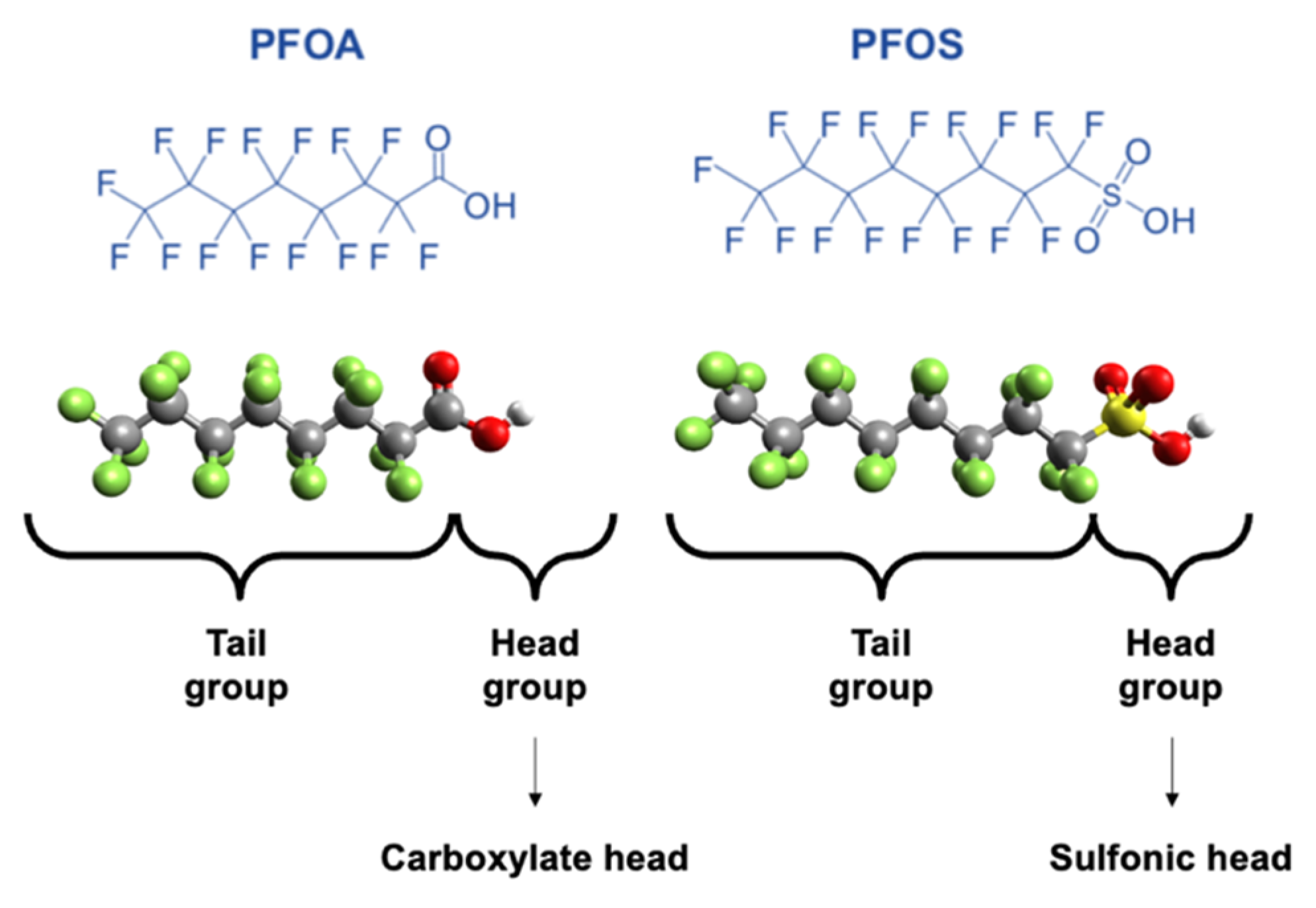 Per- and Polyfluoroalkyl Substances (PFASs) Destruction Technologies
But here’s the kicker—and this is my favorite part of the story—PFAS are incredibly useful. That’s why they’re everywhere. They’re famously used in firefighting foams (which saved lives) and in medical devices. So it’s not a simple “bad vs. good” situation. It’s a trade-off. And we’re only starting to wake up to the hidden cost.
How Do They Get Into You?
It’s not like you swallow a PFAS pill. It’s gradual. Diet is the main source: food packaging, contaminated water, and even fish from polluted waterways. Think about your tap water if you live near a factory or an airport that used firefighting foam. (Yep, that’s a thing.) Another big source? Dust in your home from treated carpets and furniture. Every day, a tiny dose adds up.
I’m not saying wrap yourself in plastic wrap—ironically, that might also contain PFAS. But curiosity is step one. If you’re like me, you’ll start checking labels. Look for “fluoropolymer” or “PTFE” (yes, that’s Teflon). Some products now brag about being PFAS-free. That’s a good sign.
 PFAS molecular structure shows carbon-fluorine bonds, illustrating
The Good News (Yes, There Is Some)
Companies and governments are starting to react. Several U.S. states have banned PFAS in food packaging. The EPA is working on stricter drinking water limits. And some brands—like certain outdoor gear makers—are ditching the stuff in favor of safer alternatives. It’s slow, but it’s happening. You can’t avoid PFAS entirely, but you can reduce your load.
One hack? Stop using non-stick pans for high-heat cooking. If you scratch the surface, you release those chemicals into your food. Use stainless steel or cast iron instead. Also, skip the “waterproof” treatment on your boots unless it’s truly necessary. Small changes matter. Your liver will thank you later.
So, back to my campfire egg. I ate it. But I also checked my jacket’s care tag and found it was made without PFAS. Victory. The point is, you don’t need to live in a bubble. You just need to stop being in the dark about what’s in your stuff. PFAS are a fascinating, frustrating reminder that every convenience has a shadow. Stay curious, read labels, and maybe skip that microwave popcorn tonight. (Unless it’s homemade—then go nuts.)
