What Is Tannin In Water

So, you pour yourself a nice, crisp glass of water. You bring it to your lips, ready for that refreshing, pure taste. Instead, it looks like someone steeped a tea bag in your...
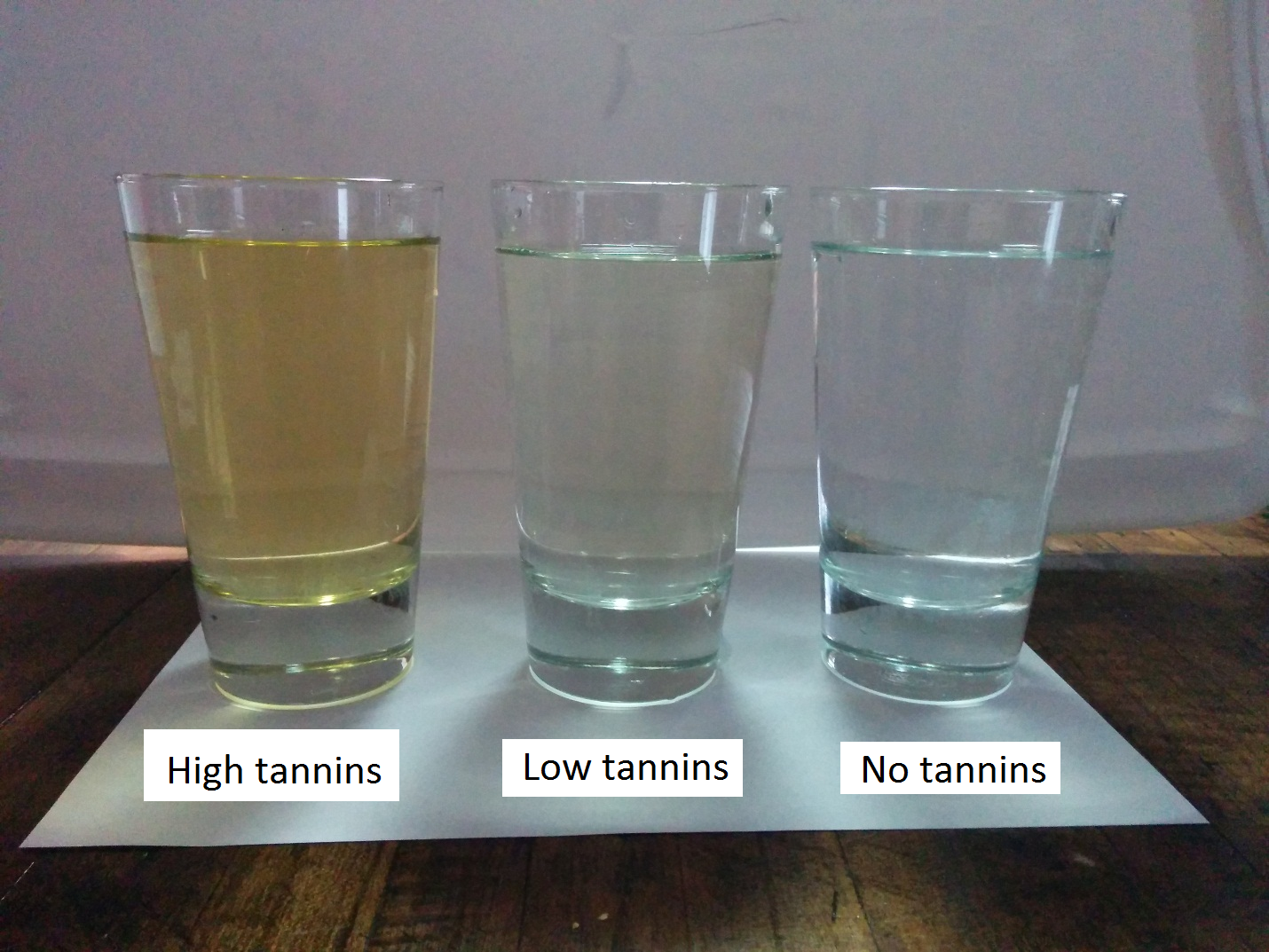
So, you pour yourself a nice, crisp glass of water. You bring it to your lips, ready for that refreshing, pure taste. Instead, it looks like someone steeped a tea bag in your glass, and it tastes like a muddy puddle. Congratulations, you’ve just met tannin, the uninvited guest at the water party.
You’ve probably heard of tannins from that fancy wine your friend insists is “earthy.” But in your drinking water? Yes, tannins are natural organic compounds that leach from decaying leaves, peat, and soil. If your water looks like weak iced tea, especially after rain, you’re likely dealing with these little mischief-makers.
Here’s the shocking part for your inner germaphobe: tannins aren’t harmful. I repeat, they are not a health risk. The EPA doesn’t even regulate them because they won’t send you to the hospital. They’re just the cosmetic equivalent of water wearing a bad wig—yellow, bitter, and a little embarrassing.
Must Read
But don’t let their harmless nature fool you. Tannins are vengeful. They will stain your laundry a lovely shade of rust. They’ll turn your white porcelain sink into something that looks like a crime scene from a 1970s detective show.
Where Do These Aquatic Monsters Come From?
Imagine a giant tree shedding its leaves into a swamp for centuries. Those leaves rot and release humic and fulvic acids. Rainwater then picks these acids up and carries them into your well or reservoir.
Basically, your water is filtering through a natural compost pile. In some places, like parts of New England or the Pacific Northwest, tannin-rich water is so common, locals just call it “that normal color.” They’ve accepted their fate as amateur tea brewers.
Fun fact: the word “tannin” comes from an old Celtic word for “oak bark.” Ancient people used it to tan animal hides. So yes, you might be bathing in the same stuff that turns cow skin into leather. You are, in a way, becoming your own handbag.
The Taste Test: Why Does It Taste So Grim?
Tannins are astringent. That’s the scientific way of saying they make your mouth feel like you just ate a spoonful of chalk. They bind to proteins in your saliva, creating that dry, puckering sensation.
 Tannin Filter Carbon Filtration System
It’s the same reason you make that sour face when someone hands you a cheap red wine. Your mouth is basically screaming, “What fresh hell is this?” Your water is just giving you that experience for free, without the fun of getting tipsy.
If your coffee suddenly tastes flat or your tea looks like mud, blame the tannins. They can react with chlorine in municipal water, creating a mild “swimming pool meets forest floor” flavor. It’s a taste sensation nobody asked for.
Can You Kick Tannin Out of Your Life?
Short answer: yes, but it takes a little work. Boiling won’t help—it actually concentrates them, turning your kettle into a witches’ cauldron. And please, don’t try to filter them with those cheap pitcher filters. Tannins laugh in the face of mere activated carbon.
The pros use a reverse osmosis system or a special anion exchange filter. Think of it as a very expensive bouncer for your faucet. It grabs the tannin molecules and tosses them out, leaving you with water that looks like, well, water.
One homeowner in Florida told me her water was so bad, her white socks turned orange after one wash. She installed a filter, and now her socks are just regular socks again. It’s a small miracle, but it’s her miracle.
 Everything You Need to Know About Tannins in Water-NEWater
The Surprising Upside of Tannin Water
Believe it or not, some people love tannins. They’re what give peated Scotch whisky its swampy, smoky character. Without tannins, your whiskey would just be alcoholic sugar water. So in a way, you’re drinking the ghost of a Scottish peat bog.
Also, tannins are natural antioxidants. They’re why red wine is supposedly “good for your heart” (though your liver might disagree). So if you’re drinking tannin water, you’re basically health-hacking. Congratulations, you’re a wellness influencer now.
In some cultures, dreaded “yellow water” is a blessing. In Japan, yamada-nuri (mountain stream tea) is prized for its mineral-rich flavor. It all depends on your perspective. Or how desperate you are for a drink.
The Final Sip
So, next time your tap water looks like a forgotten puddle, don’t panic. You’re just drinking a very old, very polite guest—a compound from the forest that has overstayed its welcome. It won’t hurt you, but it might annoy you.
If you’re tired of looking like you’re rinsing your mouth with ditch water, get a proper filter. Your taste buds will thank you. Your laundry will definitely thank you.
And if you ever feel brave, take a sip and imagine you’re a medieval peasant drinking from a forest stream. Just without the cholera. You’re welcome.
