Why Ice Is Bad For You

Last summer, I watched my friend Jake chug a glass of ice water after a brutal run. He looked so proud, like he’d just discovered fire. Two hours later, he was curled on the c...

Last summer, I watched my friend Jake chug a glass of ice water after a brutal run. He looked so proud, like he’d just discovered fire. Two hours later, he was curled on the couch, groaning about a “brain freeze that turned into a temple-throbber.”
Jake blamed the heat. I blamed the ice. Because here’s a truth nobody wants to hear at a backyard BBQ: ice is bad for you. Not in a “don’t eat yellow snow” way, but in a sneaky, “this seems innocent but it’s actually wrecking your vibe” way.
It shames your stomach’s hard work
Your stomach is a cozy, warm furnace designed to break down food at around 98.6°F. When you dump a handful of ice in there, you’re basically turning off the heat.
Must Read
Digestion, my friends, is like a friendly engine. Ice water makes that engine go brrr-ghghgh like a cold motor on a January morning. You end up with bloating and that “I ate a brick” feeling—not because you overate, but because your gut went on strike.
The amazing vein-shrinking trick
Here’s where it gets weird (and slightly dramatic). Cold constricts blood vessels, especially in your gut. That’s science, not a conspiracy theory.
When you swallow ice, your body goes into mini-panic mode. It redirects blood flow away from digestion to keep your core warm. So, while you’re sipping an icy drink, your stomach is literally saying, “Nope, not working until the heater turns back on.”
This is why you feel sluggish after a cold drink with a heavy meal. You’re not lazy—you’re a victim of the ice-industrial complex.
Brain freezes are a cry for help
We’ve all had one. That sudden, stabbing headache when you slurp a slushie too fast. It’s your body’s way of saying, “Stop. This is not food. This is cold torture.”
Brain freezes happen because cold hits your palate, triggers rapid blood vessel spasm, and then overcompensates with a rush of blood. Feels like a cramp in your brain, right? That’s your body screaming “I don’t like this!” in the only language it knows—pain.
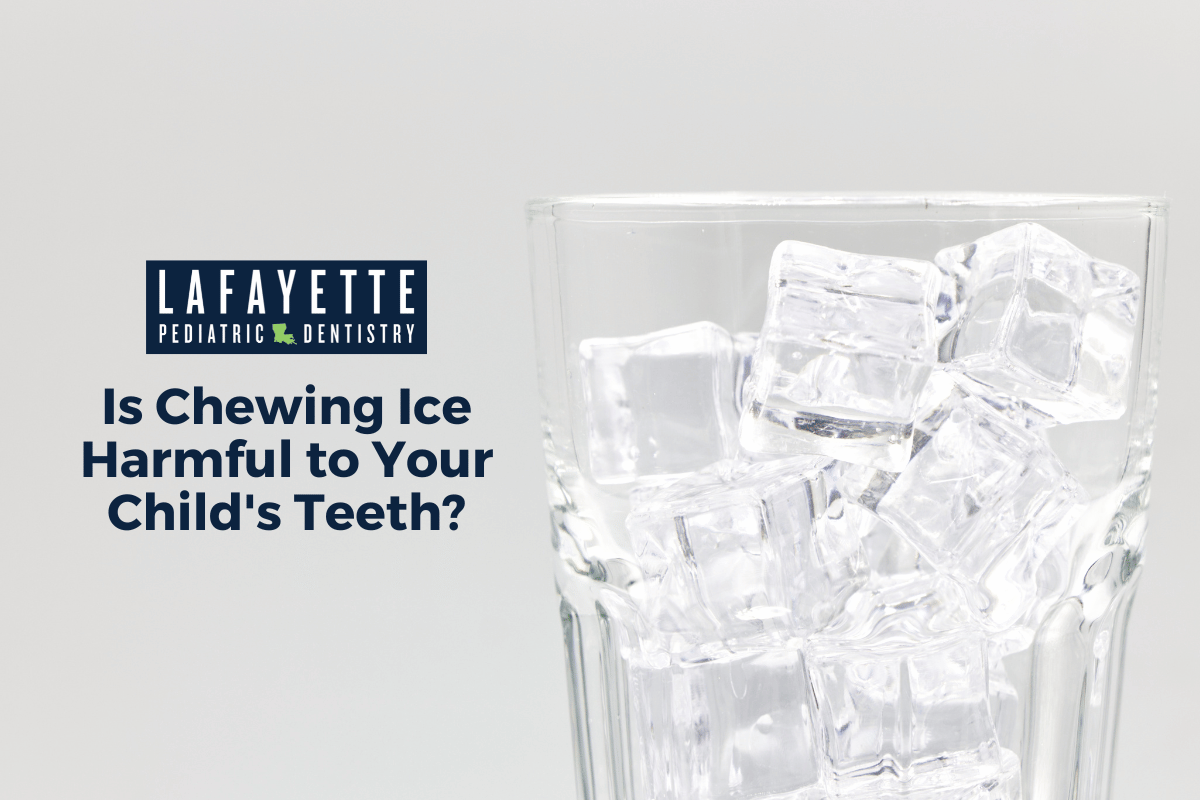 Can Chewing Ice Give You Cavities at Olga Rayford blog
We laugh it off, but imagine if any other “food” gave you instant pain. You’d throw it away. But with ice? “Haha, brain freeze, amirite?” No. Listen to your head. It’s not a party trick.
Ice is a tooth’s worst enemy
You ever see someone crunch on ice cubes? It’s like listening to a horror movie sound effect. Your teeth are beautiful, fragile bones, not stone crushers.
Chewing ice causes micro-fractures in your enamel. Over time, those tiny cracks invite cold sensitivity and cavities. Your dentist will not thank you. Your wallet will not thank you.
Remember: ice is a rock. Would you chew a smooth pebble? Exactly. Put the glass down, champ.
The weird “energy drain” effect
Ever notice how you feel more tired after an iced latte than a hot one? That’s because your body burns extra calories to warm that ice-cold liquid to body temperature. Sounds like a weight loss hack, right?
Wrong. It’s an energy tax. Your body uses ATP (your cellular fuel) just to heat the drink. That’s energy you could use for thinking, moving, or laughing at bad jokes. Instead, you’re paying a metabolic toll for a glass of chilled water. Peak inefficiency.
 Ice Cold Water Bad For You
But wait—aren’t cold drinks refreshing?
Sure, on a 100°F day, a cold drink feels like a miracle. But consider this: in many traditional cultures (like Ayurveda), ice is avoided because it’s believed to “dampen” your digestive fire. One study even found that warm beverages improve hydration faster than cold ones.
So that “refreshing” feeling? It’s mostly a sensory trick. The cold numbs your taste buds, so you think you’re quenching thirst—but your cells are still parched. Room temperature water hydrates better. Fight me.
The social lie we all tell
Every restaurant brings you a glass of ice water by default. It’s a habit, not a health choice. We’ve been trained to believe that cold = clean, fresh, alive. But it’s just collective marketing from the Ice Cartel.
I’m not saying you should never touch ice again. Eat a popsicle. Suck a cube on a scorching day. But recognize it for what it is: a temporary thrill with a hidden cost. Your digestion, teeth, and energy levels are quietly paying for that chill.
The last straw (or cube)
That afternoon, Jake finally admitted his “refreshing” ice water gave him a headache and a weirdly tight gut. I handed him a mug of warm ginger tea. He hasn’t touched an ice cube since.
Here’s the takeaway: live your life, but don’t let a frozen rock boss you around. Next time you reach for that frosty glass, pause. Ask yourself: “Am I truly thirsty, or am I just chasing a cold dopamine hit?” Your stomach—and your future self—will thank you.
Now go drink something warm. I’ll be here, sipping tea, smug and unhurt.
