Why Is Pure Water Bad

We’ve been told our entire lives that water is the ultimate elixir. Eight glasses a day, clear skin, boundless energy—the gospel of hydration is preached from every wellness b...
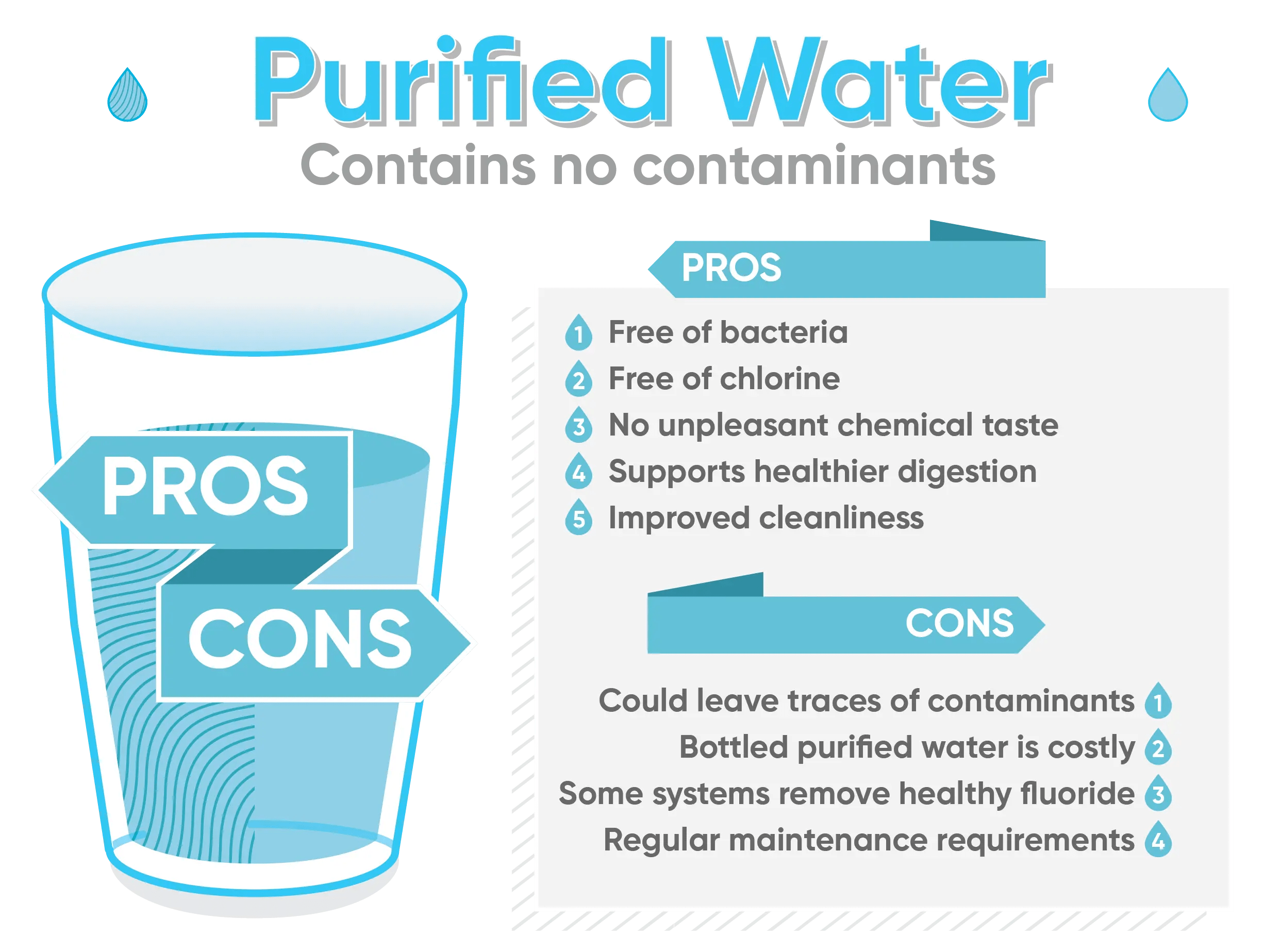
We’ve been told our entire lives that water is the ultimate elixir. Eight glasses a day, clear skin, boundless energy—the gospel of hydration is preached from every wellness blog and gym mirror. But here’s the plot twist: drinking pure water—the distilled, deionized, ultrapure stuff—might actually be a bit of a party pooper for your body. It’s not that water is bad; it’s that too perfect water can leave you feeling flat.
Think of pure water as that friend who is technically perfect but has zero personality. Distilled water is H₂O stripped of everything else: minerals, salts, and electrolytes. While it’s brilliant for your car battery or your iron, your body craves a little more flavor in its hydration.
The Science of Leaching
Your cells don’t just want water; they want a balanced cocktail of sodium, potassium, and magnesium. Pure water is so “thirsty” for minerals that it can actually pull them out of your body as it passes through. This is called osmotic leaching—a fancy term for your water stealing your good stuff.
Must Read
Imagine pouring a glass of distilled water into a jar of ocean water. The pure water will desperately try to dilute the salty ocean, and that’s what happens inside you. Over time, drinking only ultrapure water can lead to electrolyte depletion, which feels like brain fog, fatigue, and muscle cramps.
A 2019 study in the Journal of Nutritional Science even linked long-term distilled water consumption to lower bone density. That’s because your body starts pulling calcium from your skeleton to make up for the missing minerals. Your bones are not a water filter.
The Taste Test: Bland vs. Bliss
You’ve probably noticed that some tap water tastes like a swimming pool, while spring water tastes like a mountain stream. Pure water has zero taste—it’s the auditory equivalent of silence in a soundproof room. It’s not bad, but it’s deeply unsatisfying.
Your palate is wired to detect trace minerals and even a hint of salinity. This is why a $5 bottle of Icelandic glacial water tastes so good: it’s alive with tiny amounts of silica and calcium. Bland water makes you drink less, because your brain doesn’t get the reward signal that says, “Ah, that hit the spot.”
Fun fact: Master sommeliers often describe pure water as having a “hollow” finish. If wine experts judge water, you know it’s a serious business.
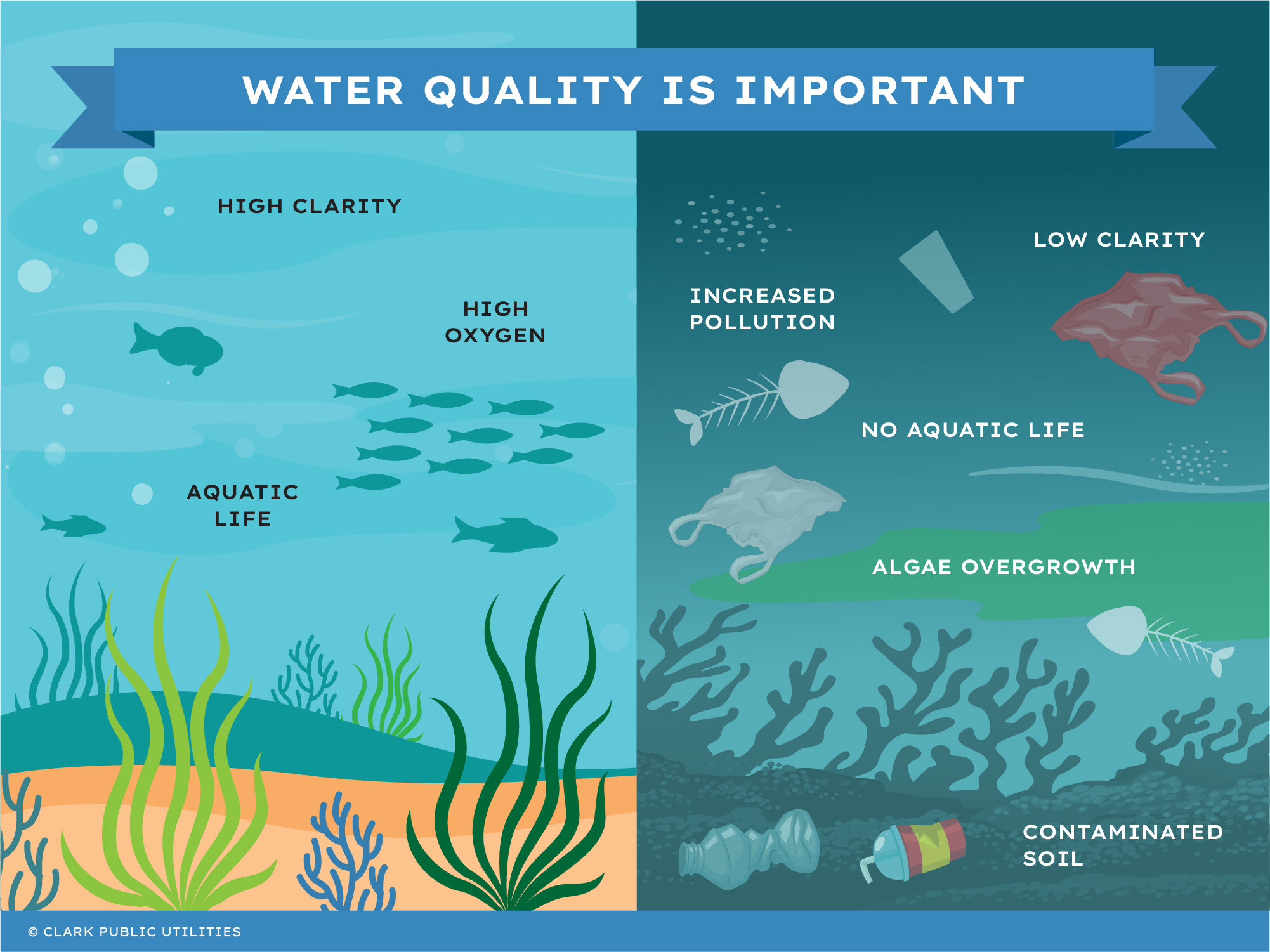 Why Is Clean Water Essential? Water Quality Lessons For Kids - Clark
The Cultural Hang-Up
Let’s talk about the wellness industrial complex. Ever notice how “alkaline water” or “hydrogen water” gets sold as a miracle cure? Pure water is the blank canvas that marketers love to paint on. They sell you a filter that removes everything, then sell you a “mineral stick” to put it all back in. It’s a hydration scam sandwich.
In Japan, high-end hot springs (onsen) serve water that’s intentionally rich in sulfur and iron—the exact opposite of pure. In France, people swear by hard water from taps in Evian and Vittel. The obsession with purity is a very modern, very sterile invention.
Even your houseplants hate distilled water. Try watering a fern with pure H₂O for a month, and watch its leaves go yellow from mineral starvation. If nature rejects it, maybe we should too.
Practical Tips: Drink Like a Human
So, should you ditch your tap water? Absolutely not. Here’s the golden rule: unless you’re in an industrial lab or trying to protect a steel boiler, don’t drink distilled water as your main source. A glass here and there? Fine. A daily habit? Rethink it.
Tip 1: Embrace the Minerals
Add a pinch of Himalayan pink salt or a squeeze of lemon to your water. That tiny hit of sodium and citric acid helps your body actually absorb the water. Pro tip: it also makes the water taste like a fancy spa drink instead of a science experiment.
Tip 2: Rotate Your Sources
Drink spring water, filtered tap, or even mineral water from a glass bottle. Variety is the spice of life—and of hydration. Your gut microbiome loves the tiny amounts of magnesium and bicarbonates found in natural waters. Think of it as a probiotic for your water.
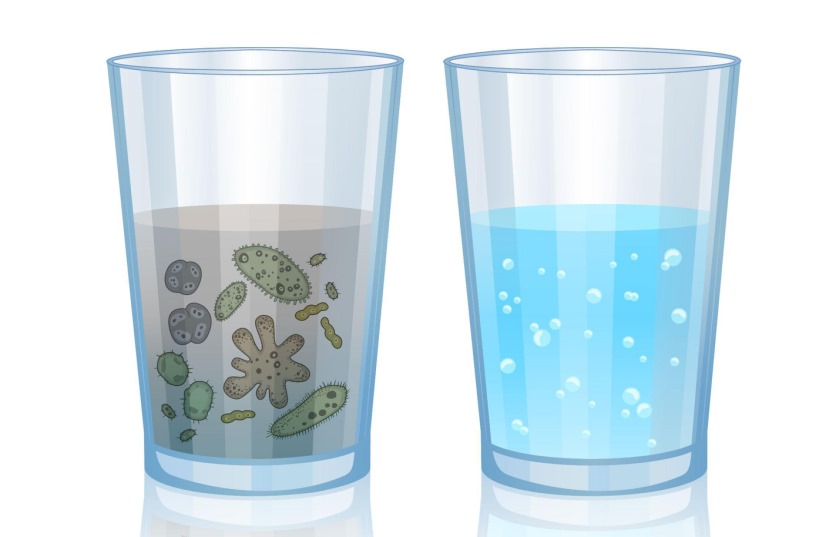 Drinking Water Source Of Pollution How Does Water Pollution Affect
Tip 3: Listen to Your Body
If you feel bloated or thirsty right after hydrating, your water might be too “empty.” Switch to water with a little trace mineral content—check the label for “total dissolved solids” (TDS). Aim for a TDS between 50 and 200 parts per million.
Fun Little Facts
Did you know that pure water is actually a terrible conductor of electricity? It’s the dissolved salts that make it conductive. That’s why you don’t get electrocuted by a glass of distilled water—but you still shouldn’t test it with a toaster.
In 2017, a group of endurance athletes in a study were given pure water and suffered significant hyponatremia (low blood sodium). They had to be given salty pretzels to recover. The perfect drink for a marathon? It’s not pure water—it’s water with a dash of salt and sugar.
Ancient Romans actually fermented their water with herbs to make it taste better. They knew purity wasn’t the point; refreshment was.
Reflection: The Imperfection of Life
Here’s the thing about pure water: it mirrors our obsession with cleaning everything up, filtering out the mess, and achieving a state of absolute purity. But your body doesn’t work that way. You are a messy, mineral-rich, chaotic organism that thrives on balance, not absence. The perfect glass of water has a little grit, a pinch of salt, and a hint of life.
Next time you’re parched, drink water that tastes like something. Water that has traveled through rocks and soil and picked up a story. Because the best things in life are never truly pure—they’re seasoned with a little bit of everything, including imperfection. Your cells will thank you, and your soul might just feel a little more hydrated, too.
