Does Uv Kill Bacteria

Let’s be real: we’ve all become amateur germaphobes lately. Between hand sanitizer stations and “social distancing” flashbacks, the idea of zapping bacteria with sunlight soun...

Let’s be real: we’ve all become amateur germaphobes lately. Between hand sanitizer stations and “social distancing” flashbacks, the idea of zapping bacteria with sunlight sounds pretty appealing. But does UV light actually kill bacteria, or is it just a high-tech mirage?
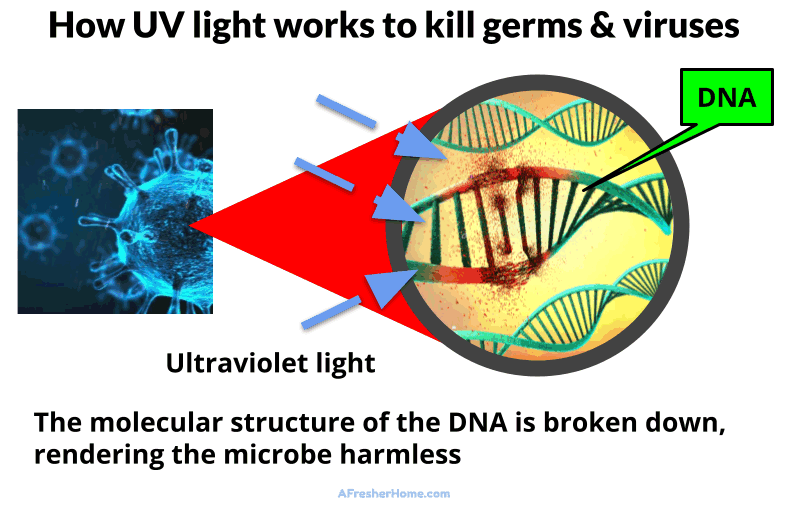
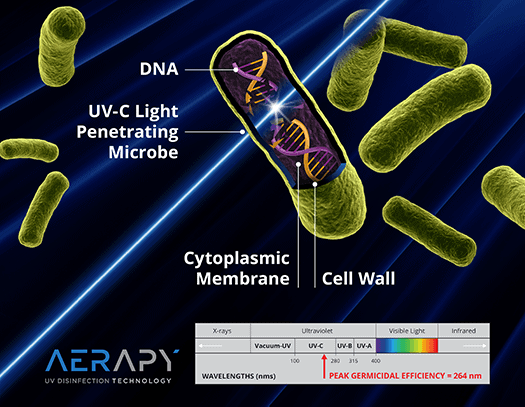
Spoiler alert: it’s real, and it’s spectacular—sort of like a tiny, invisible tanning bed for microbes. Ultraviolet light, specifically the UVC wavelength, works by damaging the DNA of bacteria, viruses, and other nasties. Think of it as a microscopic sunburn that leaves them unable to reproduce or cause trouble. Poof—germs gone.
The Science, Made Sexy
Here’s the nerdy part, delivered like a cocktail party fact. UV light sits in the electromagnetic spectrum between visible light and X-rays, and it packs a serious punch. The UVC band (200–280 nanometers) is the real MVP, because it’s absorbed by the genetic material of microbes. This triggers a reaction that essentially scrambles their code—like spilling coffee on a blueprint.
Must Read
But here’s the catch: not all UV is created equal. The UVB and UVA from the sun are weaker and less effective at killing germs. Sunbathing on a beach towel won’t sanitize your phone; it’ll just give you freckles and a reminder to reapply SPF.
Fun fact: you’ve probably already seen UVC at work if you’ve ever used a water purifier or a sterilizing wand for baby bottles. Hospitals have been using it for decades to clean air and surfaces, like that one friend who always over-prepares for a party.
The Toolbox: Gadgets, Gizmos, and Gimmicks
The market is flooded with UV gadgets—from portable wands to phone sanitizers that double as charging pads. Some are brilliant; others are about as useful as a chocolate teapot. Look for devices that specify UVC and have independent testing (think FDA or EPA certification). Without it, you might just be shining a fancy purple light on your keys and calling it a day.
One practical tip: don’t use a UV wand on your skin. Seriously, that’s a one-way ticket to a nasty burn or worse. These devices are for surfaces—doorknobs, remote controls, your yoga mat after a sweaty class. Treat UV like a power tool, not a toy.
And if you’re into cultural references, think of “The Andromeda Strain”—that old sci-fi movie where scientists blast alien microbes with UV. Spoiler: it works. But in real life, you don’t need a hazmat suit; just a quality UV lamp and a sense of timing.
 How Does Uv Light Kill Bacteria | Gas Furnace
Quick Tips for the Everyday Sunshine Warrior
First, remember that UV light works best on clean surfaces. Dirt and grime can block the rays, so wipe down your phone before you zap it. Think of it as exfoliating before a facial—same principle, less glamorous.
Second, exposure time matters. Most devices need 30 seconds to a few minutes to kill bacteria. Don’t just wave the wand around like Harry Potter; give it a steady 360-degree sweep.
Third, distance is key. Too far, and the intensity drops. Too close, and you risk damaging materials like plastics or rubber. Aim for about 2–4 centimeters away, like the perfect bubble for a selfie.
The Bacteria’s Perspective (Just for Fun)
Imagine you’re a tiny E. coli cell, living your best life on a doorknob. You eat, you multiply, you maybe cause a stomach ache. Then one day, a beam of UVC hits you. It’s like being caught in a literal death ray from a sci-fi villain. You try to repair your DNA, but the damage is too fast, too deep. Game over.
Sound dramatic? Good. Because that’s exactly what’s happening when you properly use UV. But don’t stress—this isn’t a superhero origin story for germs. They don’t evolve resistance to UV the way they do to antibiotics. Pretty neat, right?
 How Does Uv Light Kill Bacteria | Gas Furnace
Still, a word of caution: UV is not a silver bullet. It won’t kill every single microbe, especially if they’re hiding in crevices or under a layer of dust. Think of it as a powerful sidekick to good old soap and water, not a replacement.
The Culture Factor: From Sci-Fi to TikTok
UV sterilizers have become a lifestyle flex—you’ve seen them on Instagram, maybe in a sleek, minimalist home setup. They’re the clean-tech equivalent of a designer kettle. And honestly, it’s a vibe. Who doesn’t want to feel like a character in “Blade Runner 2049” while charging their AirPods?
But here’s the real kicker: popping your phone in a UV box for three minutes might reduce bacterial load significantly. A 2020 study in the Journal of Hospital Infection found that UVC could kill 99.9% of SARS-CoV-2 on surfaces. So yeah, it’s not just for show—it’s actually backed by science you can cite at brunch.
One fun fact for your quiz night: the first known use of UV to kill bacteria dates back to 1877, when scientists discovered that sunlight could stop anthrax spores from growing. That’s older than the lightbulb. Makes you appreciate your lamped smartphone a bit more, doesn’t it?
Reflection: The Light We Carry
In a world where we’re constantly touching surfaces, sharing space, and breathing the same air, UV feels like a secret weapon. It’s quiet, invisible, and effective—kind of like that friend who always has a charger when your phone dies. But like any tool, it works best when you use it mindfully.
So go ahead, zap that remote. Give your keys a glow-up. But don’t forget the simple rituals: washing your hands, going outside for actual sunlight, and laughing at memes about trying to sanitize your entire life. Because while UV can kill bacteria, it can’t fix everything. What it can do is give you a little peace of mind—and that’s the real glow we’re all chasing.
