What Is The Water Tds

You’ve seen the acronym on your water filter pitcher, maybe on a fancy bottle of alkaline water, or in a TikTok influencer’s “what I drink in a day” vlog. TDS. It sounds like...
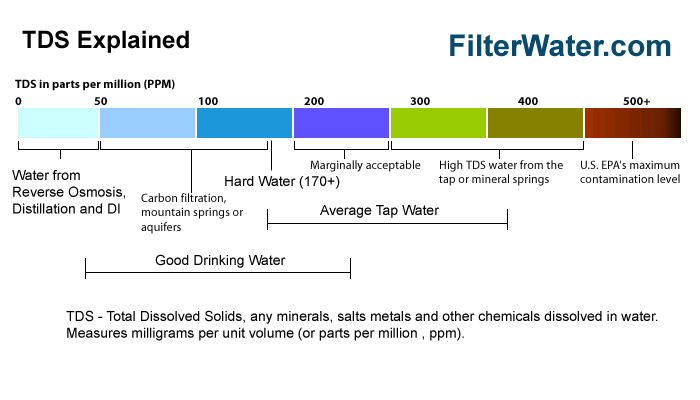
You’ve seen the acronym on your water filter pitcher, maybe on a fancy bottle of alkaline water, or in a TikTok influencer’s “what I drink in a day” vlog. TDS. It sounds like a secret code or a new form of cryptocurrency. But really, it is just a very useful little number.
TDS stands for Total Dissolved Solids. It is a measurement of everything that is dissolved in your water, both good and meh. Think of it as the water’s personal biochemical profile, a tiny fingerprint of minerals, salts, and organic matter.
Every time you run your tap, you are not just getting H2O. You are getting a subtle soup of calcium, magnesium, potassium, sodium, and sometimes a bit of nitrate or copper. TDS is the total weight of that soup’s ingredients.
Must Read
Gin, Tonic, and the Goldilocks Zone
Water with very low TDS tastes flat and empty. It is often called “hungry water” because it tries to pull minerals from everything it touches. That is why distilled water (TDS near zero) tastes so… nothing, like a blank canvas for thirst.
On the other end, high TDS water tastes heavy, salty, or metallic. It can leave a chalky film on your glass. The sweet spot for most people is between 50 and 300 parts per million (ppm), the Goldilocks zone of hydration.
Think of the perfect martini. You want the gin to shine, but a little mineral character from the water in the ice makes it crisp. Too much mineral content, and you’re chewing your drink. Too little, and it’s watery sadness.
Your Tap, Your Tribe
The TDS of your tap water depends entirely on where you live. In New York City, the water from the Catskill Mountains is famously soft and low in TDS (around 50–70 ppm). It makes for incredible bagels and pizza crust. In parts of the Midwest, water from deep limestone aquifers can easily hit 400–600 ppm, tasting rich and earthy.
This is not just trivia. It is the secret ingredient in your morning coffee or your Sunday stew. High TDS water extracts more flavor from coffee grounds, but too much will make your brew bitter. Baristas and chefs swear by matching their water profile to their ingredients.
 Drinkable Water Tds Range
Culture echoes geology. In much of Europe, people drink high-TDS mineral water the way they drink wine—celebrating the specific terroir of the spring. In Japan, low-TDS “soft water” is essential for the delicate flavor of matcha and dashi broth.
Practical Tips for the Modern Sipper
Buy a TDS meter. They cost about the same as a nice lunch menu. Dip it in your tap water, then your filtered water, then your fancy bottled water. You will immediately know what you are actually paying for. It is the most satisfying ten-dollar experiment you will ever run.
If your TDS is below 100 ppm, your water is excellent for houseplants and espresso machines. Scale buildup is minimal. If it is above 500 ppm, consider a reverse osmosis system for drinking water, or embrace the mineral punch and pair it with a glass of red wine.
Don’t obsess over the number too much. A reading of 150 ppm is not “better” than 200 ppm. The World Health Organization recommends water below 600 ppm for safety, but taste is king. Some people adore the minerality of a 400 ppm spring water.
Fun Facts to Drop at Dinner
Bottled water labels are often full of marketing fluff. A brand that costs $4 might have a TDS of 15 ppm, the same as your tap water after a basic filter. You are paying for the glass bottle and the Instagram aesthetic, not the mineral magic.
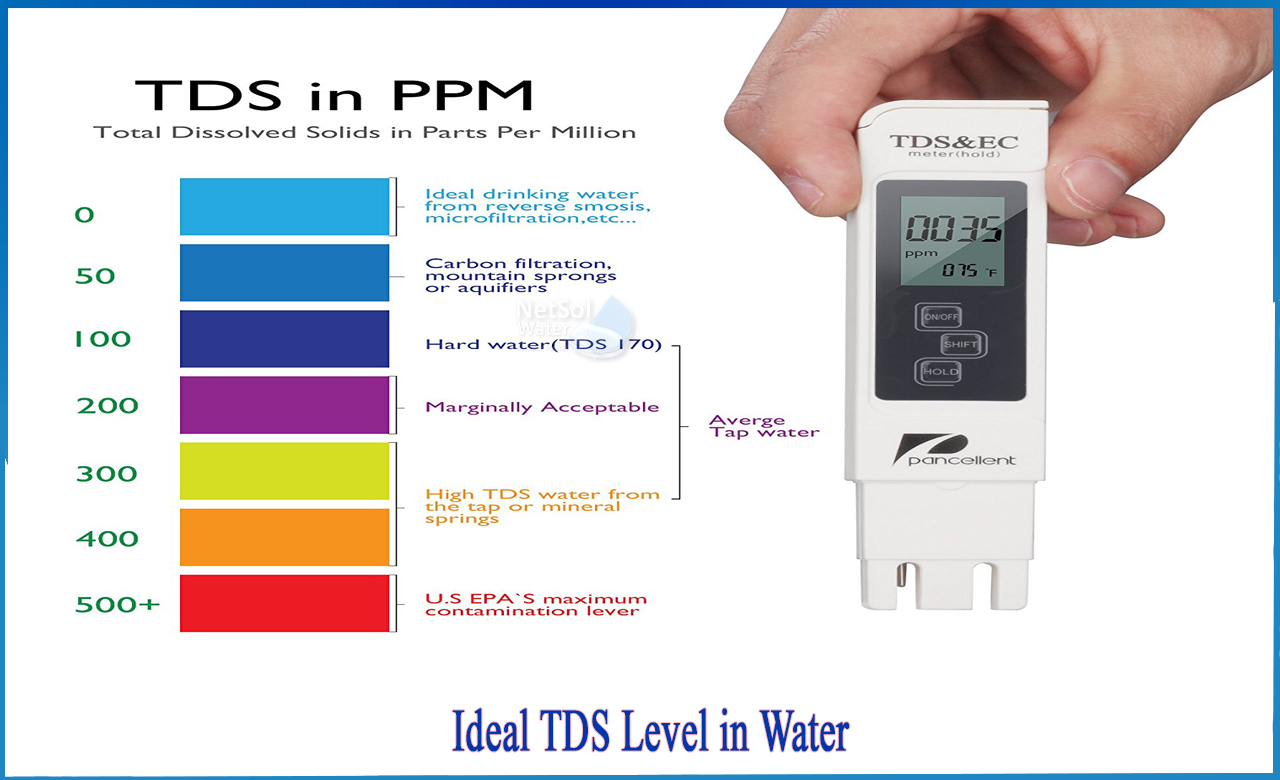 Tds Water Meter Chart – What Is A Tds Meter – FPYK
Fish are the ultimate TDS critics. Freshwater aquarium fish have very specific TDS tolerances. If your TDS is too high for your neon tetras, they get stressed. If it is too low for your cichlids, they sulk. These fish are basically tiny, finned sommeliers.
Distilled water can actually hurt your body. If you drink only ultra-low TDS water, it leaches electrolytes from your cells. This is why your gym buddy adds a pinch of sea salt to their water. They are literally re-mineralizing it for cellular happiness.
The Reflection: What Your Water Says About You
Here is the quiet truth behind the numbers: TDS is a measure of what your water has traveled through. It is the geological story of the rocks it passed, the pipes it traversed, the treatment it survived. Your water is a traveler with a history.
Next time you fill a glass, don’t just gulp. Pause. That faint hint of lime, that slight metallic edge, that almost imperceptible smoothness—it is the signature of your place. Somewhere in the mountains, or deep in an aquifer, or inside a treatment plant, your water earned its TDS number.
And in a world where everything feels fast and disconnected, knowing your TDS is a tiny, grounding ritual. It is a conversation with the landscape. It is you, being a little more curious about the most basic, essential thing. Drink up. Mindfully. With a little knowledge in your glass.
