What Is A Kdf Filter

So, you’re at the hardware store, staring at a wall of water filters, and one weird name keeps popping up: KDF. It sounds like a secret government agency or a band that broke...
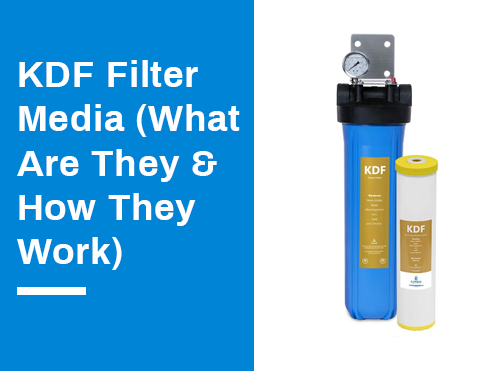
So, you’re at the hardware store, staring at a wall of water filters, and one weird name keeps popping up: KDF. It sounds like a secret government agency or a band that broke up in the 90s, right? Relax, take a seat, and let me spill the tea—or rather, the filtered water—on this unsung hero of your plumbing.
The Secret Life of Your Shower Head
You know that funky smell when you turn on the hot water after a vacation? That’s chlorine and other nasties having a rave. KDF filters are the bouncers at that rave, tossing out the troublemakers before they reach your skin.
KDF actually stands for Kinetic Degradation Fluxion, which sounds like something a sci-fi villain would monologue about. In plain English, it’s a fancy mix of copper and zinc—yes, the same metals in pennies and sunscreen—that work like a chemical judo master.
Must Read
How a Metal Ninja Cleans Your Water
Here’s the wild part: KDF doesn’t trap gunk like a net; it battles it. When water flows over those copper-zinc shavings, a tiny electrical reaction happens—think of it as a microscopic lightning storm—that zaps chlorine into harmless chloride.
It also knocks out heavy metals like lead and mercury, turning them into particles too lazy to stay dissolved. The best part? This ninja never runs out of battery. It just keeps fighting for years, which is more than I can say for my phone.
Why Your Skin and Hair Are Thanking You
If you’ve ever felt like your skin is as dry as a lizard’s handbag after a shower, blame chlorine. KDF filters strip that chemical out, meaning your hair stops looking like straw and your skin stops staging a protest every time you lather up.
And for the pool owners out there—yes, you can use KDF to cut down on that “swimming in a bleach jug” smell. It’s not magic; it’s just science with a great PR team.
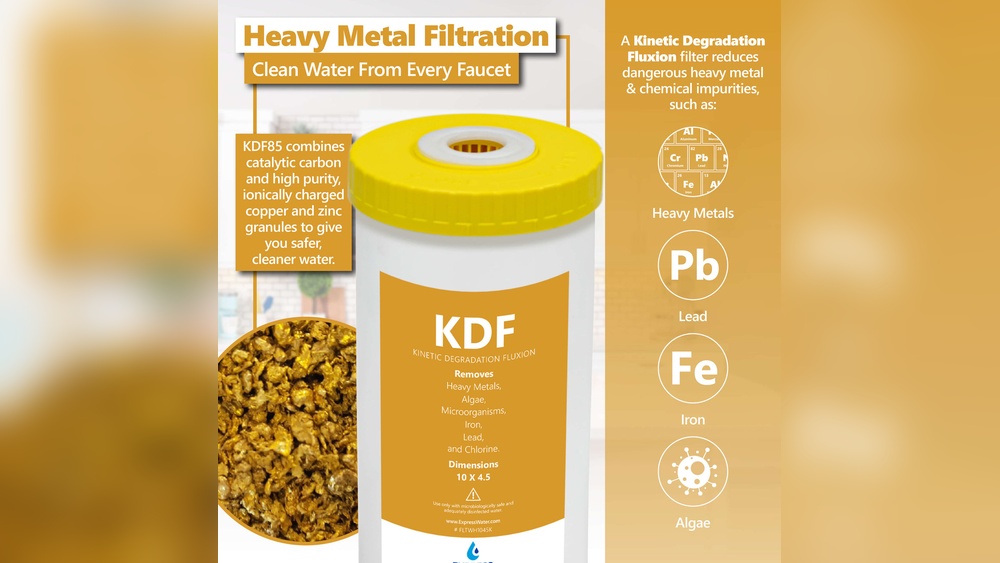 What Is A Kdf Water Filter: Ultimate Guide To Cleaner Water - RO System
The Plot Twist: It Doesn’t Kill Everything
Here’s the joke: KDF is not a germ-killing superhero. It removes chemicals and heavy metals, but it won’t wipe out bacteria. So if you’re drinking from a puddle, you still need a buddy filter like carbon to finish the job.
Think of it as a buddy cop movie. KDF is the grizzled veteran who disarms the bomb; carbon is the rookie who mops up the mess. Together, they’re unstoppable. Alone, one is just a shiny rock.
Surprising Fact: It’s Older Than Your Parents
KDF was invented in the 1970s by a guy named Don Heskett, who probably had a magnificent mustache. That means your grandparents might have been bathing in this tech while listening to Fleetwood Mac, totally unaware.
Also, it’s used in hospitals to clean dialysis water—so if it’s good enough for kidneys, it’s good enough for your morning tea. No pressure, though.
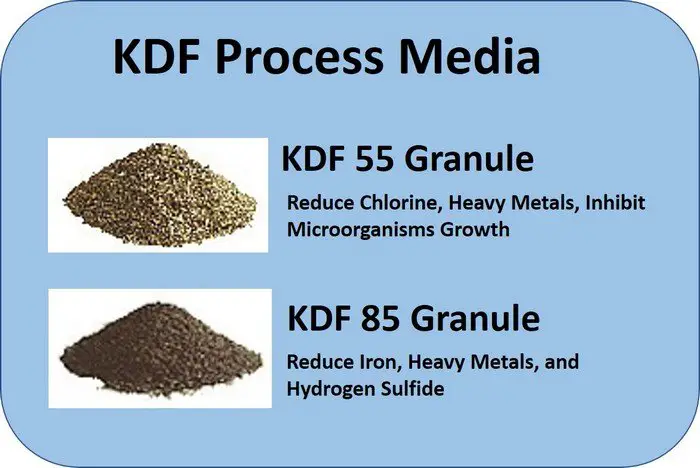 What Is KDF Filter Media: How It Works In Water Filtration
The "Gross but Cool" Part
When KDF media gets old, it doesn’t just sit there—it slowly turns into copper oxide, which looks like rusty pennies. But here’s the kicker: that weird gunk actually helps kill algae and fungus. So your filter becomes a zombie that fights for you even in retirement.
You can’t say that about your old Brita—that thing just grows mold and judges you.
Bottom Line for the Lazy
Do you need a KDF filter? Only if you care about better-tasting water, softer skin, and not inhaling chlorine fumes while shampooing. It’s cheap, it lasts forever, and it sounds impressive at dinner parties.
So next time you see “KDF” on a box, don’t panic. Just imagine a tiny copper-zinc wizard high-fiving your water molecules. And remember: if your shower smells like a swimming pool, your filter is just being dramatic. KDF to the rescue!
