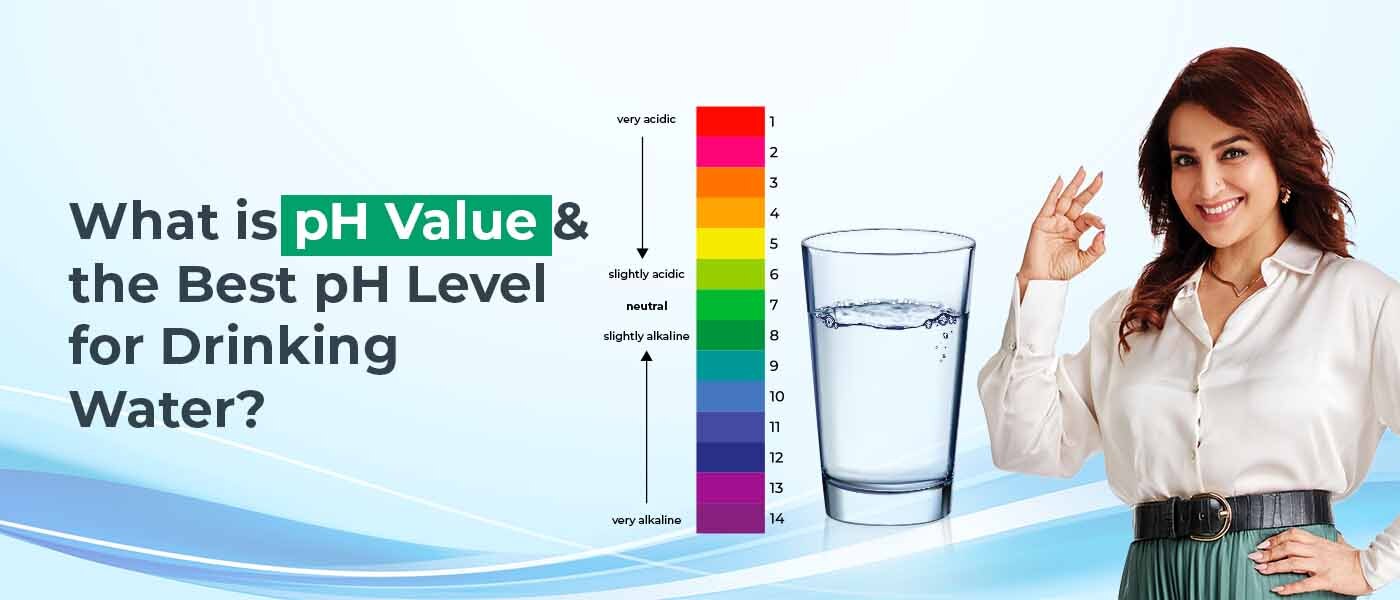
What's The Best Ph For Drinking Water

Let’s be honest—most of us don’t think twice about the water we drink. We fill a glass from the tap, grab a bottle from the fridge, or sip from a fancy filter pitcher, and we’...

Let’s be honest—most of us don’t think twice about the water we drink. We fill a glass from the tap, grab a bottle from the fridge, or sip from a fancy filter pitcher, and we’re done. But have you ever heard someone mention the pH level of their water and wondered, “Wait, is that something I should care about?” It’s okay—I used to zone out at the word “pH” too, like it was a chemistry pop quiz I hadn’t studied for.
But here’s the thing: your water’s pH can actually affect how it tastes, how it feels in your mouth, and even how your body handles it. Think of it like the difference between a crisp, green apple and a sour, unripe lemon. Getting the pH right can make your daily hydration a whole lot more enjoyable—and maybe even better for you.
What is pH, anyway? (No science degree required)
Imagine you’re at a party, and the pH scale is a spectrum from “super sour” to “super slippery.” It runs from 0 (very acidic, like battery acid) to 14 (very alkaline, like bleach). Pure water sits right in the middle at 7, which is considered neutral. Most drinking water we encounter—tap, spring, or bottled—falls somewhere between 6.5 and 8.5. So, when you hear people talking about “alkaline water,” they mean water with a pH above 7. The magic number for many enthusiasts? Around 8 or 9.
Must Read
But let’s not get bogged down in numbers. The real question is: what makes water feel good? If you’ve ever taken a sip of water that tasted flat or slightly bitter, that could be a pH issue. On the flip side, water that tastes smooth, refreshing, and almost sweet—that’s often in the ideal zone.
The Goldilocks of drinking water: pH 7 to 8.5
Here’s the warm and fuzzy truth: your body is a brilliant machine that already regulates its own pH. Your stomach is super acidic (around 2 pH) to digest food, and your blood stays at a steady 7.4 pH no matter what you drink. So, you don’t need to micromanage your water’s pH to survive. But that doesn’t mean it’s irrelevant—especially if you’re a bit sensitive or just want your water to taste amazing.
 What Is The Ph Standard For Drinking Water? – EFBUXL
Most experts agree that the best pH for drinking water is between 6.5 and 8.5, which is exactly what the EPA recommends for tap water. Why? Because water that’s too acidic (below 6.5) can leach metals like copper or lead from old pipes, giving it a metallic taste. Ever drunk from an old fountain and got that “copper penny” flavor? Yep, that’s acidic water. Meanwhile, water that’s too alkaline (above 9) can taste soapy or bitter. Picture licking a bar of soap—not exactly refreshing.
A little story from my morning routine
I used to buy a popular bottled water brand that touted a pH of 8.8. It felt fancy, and everyone swore it was the key to “balance.” But after a week, I realized my morning glass tasted like it had been strained through a clean sock. Gross. I switched to filtered tap water with a neutral pH of 7.2, and suddenly my morning sip felt like a hug for my throat. My friend Sarah, who has acid reflux, swears by water with a pH around 8 because it calms her stomach. Meanwhile, my Uncle Bob drinks straight from the garden hose and calls it “character builder.” To each their own, right?
 Drinking Water Ph
So, the “best” pH really depends on your taste buds and your body. If you enjoy the crispness of slightly acidic water (like a nice lemonade without the sugar), aim for the 6.5 to 7 range. If you love the smooth, silky feel of alkaline water, try around 8 to 8.5. But don’t go chasing extremes—your teeth deserve some love, too. Acidic water (below 6) can erode enamel over time, while very alkaline water can make your mouth feel chalky.
How to find your perfect pH without a lab coat
You don’t need a chemistry set to figure this out. Start by noticing how your water tastes right now. Does it have a weird aftertaste? Does it leave your mouth feeling dry? If so, try a simple test: buy a small jug of distilled water (pH 7) and a bottle of spring water (usually pH 7.5-8). Sip each one back-to-back. Does one feel easier to drink? Lighter? Smoother? Trust your senses—they’re better than any science chart.
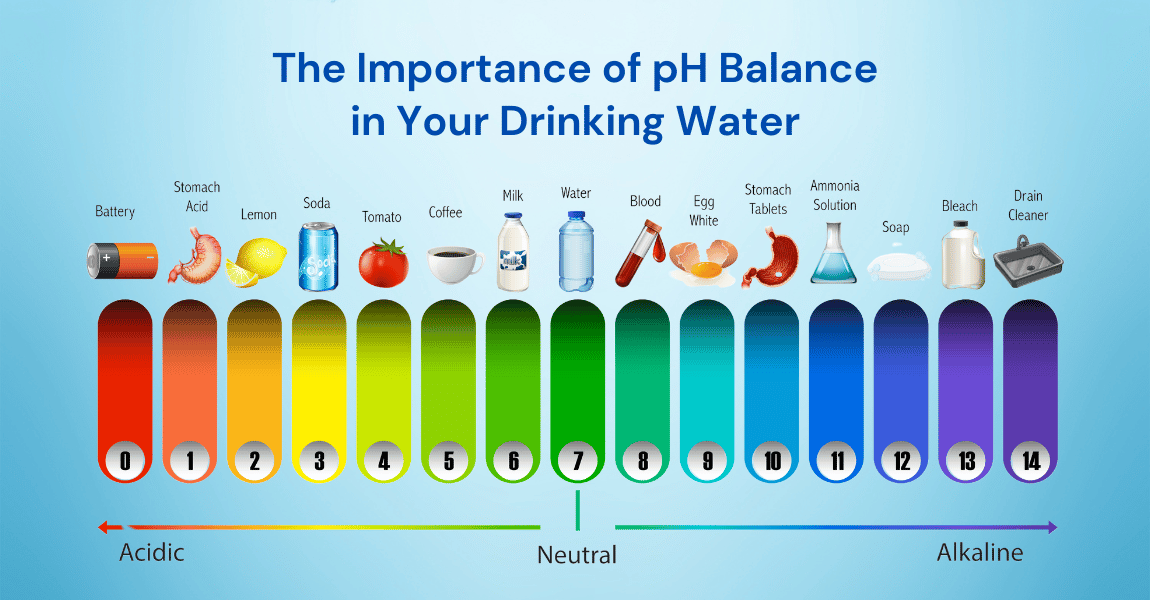 Discover the Importance of pH Balance in Drinking Water for Health
If you’re using tap water, a basic home filter (like a Brita or a carbon filter) usually balances the pH to a neutral, pleasant level. Fancy alkaline water machines are fun, but not essential unless you love the ritual—or have a chronic condition, like acid reflux or gout, where a doctor might recommend it. For most of us, the best pH is the one that makes you drink more water without thinking twice.
The real takeaway? Don’t overthink it
Here’s the warm, relatable truth: hydration beats perfection every time. If you’re chugging water that’s pH 7.4 but you hate the taste, you’ll reach for soda instead. And if you love the silky feel of pH 8.5 water, then go for it—even if the “experts” argue. Your body is smart enough to handle a little lemon juice or a pinch of baking soda now and then.
So, when someone asks, “What’s the best pH for drinking water?” smile and say, “The one that makes you say ahhh after the first sip.” Whether that’s a 6.8 from your tap or a 9 from a fancy bottle, your happiness is the only metric that matters. Now go gulp something delicious—and don’t forget to enjoy it.