Best Water Filtration For Drinking Water

Let’s be honest: tap water is a gamble. One day it’s a crisp, mountain-fresh delight, and the next it tastes like a swimming pool fought a rusty pipe—and the pipe lost. You mi...

Let’s be honest: tap water is a gamble. One day it’s a crisp, mountain-fresh delight, and the next it tastes like a swimming pool fought a rusty pipe—and the pipe lost. You might be drinking chemicals, microplastics, or the ghost of a 1990s soda that seeped into the aquifer. That’s when you realize: you need a filtration system, and you need it before your kitchen faucet starts whispering secrets to you.
The Great Filter Showdown: What’s Your Poison?
The first rule of water fighting is knowing your enemy. Most tap water contains chlorine (to kill germs, also to make you sad), lead (from ancient pipes that hate you), and PFAS—aka “forever chemicals” that outlast your electric car’s battery. Not all filters remove all villains. Picking one without research is like bringing a butter knife to a sword fight.
I once bought a cheap pitcher filter that turned my water into a sad, clear liquid that still smelled like a laundromat. Lesson learned: know your contaminants before you buy. Test your tap with a home kit—it’s like a dating app for your water, revealing everything you didn’t want to know.
Must Read
The Charismatic Charcoal: Pitcher Filters
Pitcher filters are the entry-level heroes of hydration. They’re cheap, they’re cute, and they sit in your fridge like a plastic friend. But here’s the shocking truth: they only remove about 30-40% of common contaminants. That’s like wearing a raincoat in a hurricane—sure, you’re less wet, but you’re still in trouble.
Activated carbon in these pitchers is great for taste and odor. It’ll kill that chlorine flavor and some pesticides. But for lead, arsenic, or heavy metals? Nope. Your pitcher is basically a fancy water decanter with a guilty conscience.
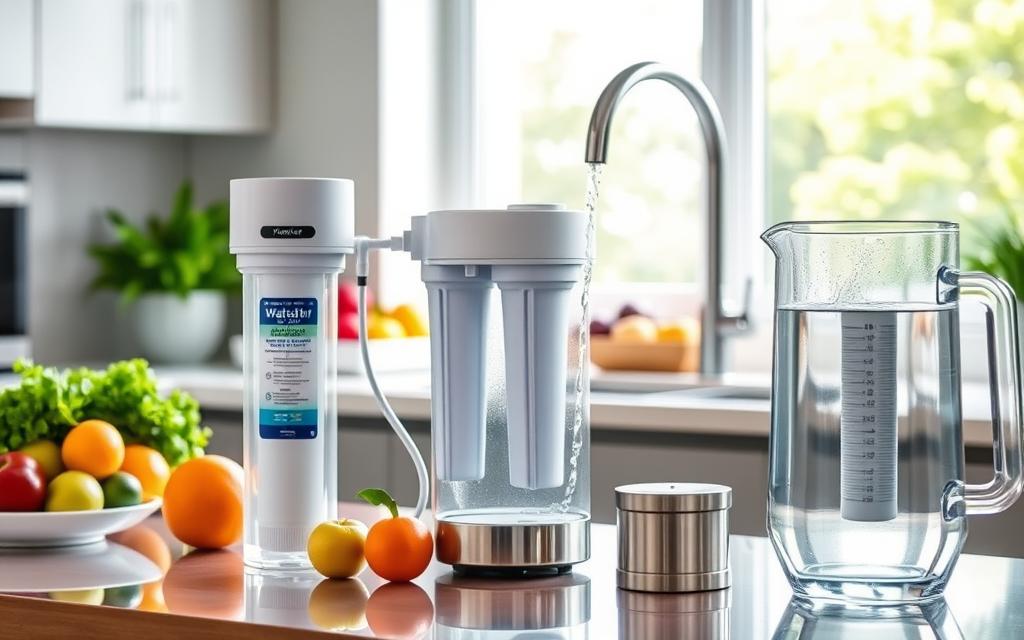 Best Home Water Filtration Methods - Complete Guide
Reverse Osmosis: The Overachiever
If pitcher filters are a bicycle, reverse osmosis (RO) is a spaceship. It forces water through a semi-permeable membrane that blocks almost everything—lead, fluoride, bacteria, viruses, and even your hopes if you clean it wrong. RO systems sit under your sink and look like a sci-fi kidney.
The downside? They waste a lot of water. For every gallon of clean water, you might dump three gallons down the drain. That’s like watering your lawn with tears. Plus, RO removes good minerals like calcium and magnesium, leaving water that tastes like a conspiracy theory—flat and suspicious.
But if your tap water is from a toxic swamp or an ancient Roman aqueduct, RO is your best bet. Just add a remineralization filter afterward, or drink it while staring tragically at a bottle of mineral water.
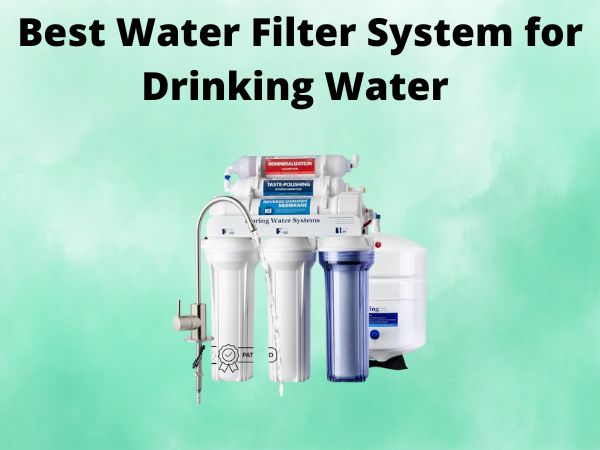 Best Water Filter Systems for Drinking Water in 2026
Countertop Distillers: The Drama Queens
Distillation boils water into steam, then condenses it back into water. It kills everything—bacteria, viruses, heavy metals, and possibly your social life because it takes four hours to make one jug. You’ll be sitting there, watching water boil, wondering where your youth went.
Surprising fact: Distilled water absorbs carbon dioxide from the air, making it slightly acidic. It’s not dangerous, but it might taste like loneliness. Also, the heat in your kitchen will make your cat judge you. Still, for pure, sterile water? It’s the nuclear option.
 Best Water Systems - February 2026
The Whole-House Filter: For the Commitment-Phobe
Why filter just one faucet when you can filter every single tap in your home? Whole-house systems attach to your main water line. They remove chlorine, sediment, and some chemicals so you can shower without smelling like a public pool. Your hair will thank you. Your skin will glow. Your toilet will drink like a queen.
But they’re expensive (think $500-$2,000) and require professional installation. If you rent, your landlord will laugh at you. Also, they don’t remove lead or viruses—so you might still need a specialized point-of-use filter for drinking. It’s like buying a Ferrari but still needing bike lanes.
The Wild Card: Gravity-Fed Filters (Berkey and Friends)
These are the hipsters of filtration—no electricity, no plumbing, just gravity and black magic. You pour water into the top, it drips through ceramic and carbon filters, and out comes pristine water. They remove 99.9% of bacteria, viruses, and heavy metals. They’re great for camping, apocalypse prep, or if you just want to feel like a medieval alchemist.
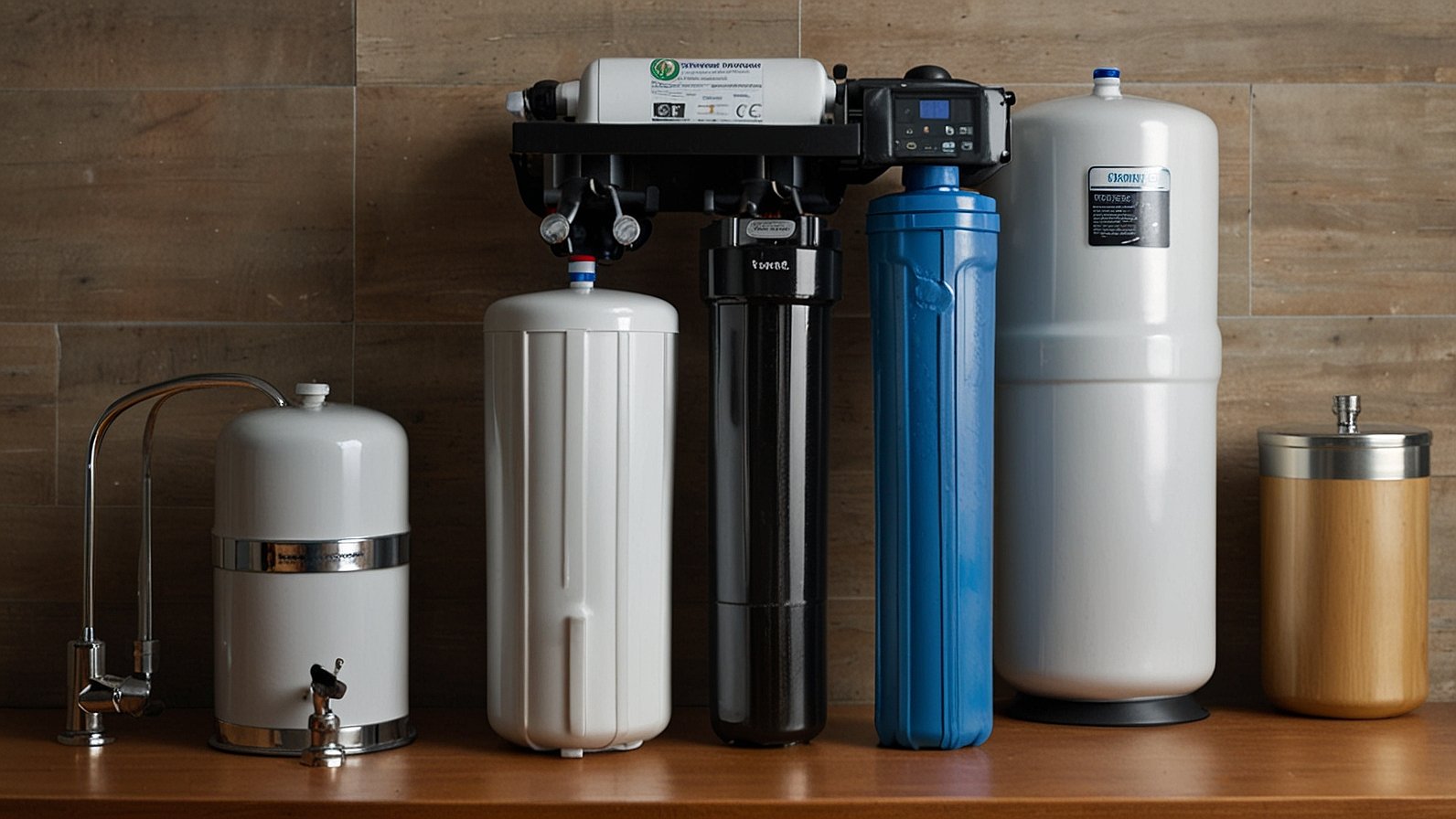 Best Water Filtration Systems Guide 2025 | Complete Review
Downside: they’re slow. You’ll be waiting longer than a DMV line for a glass of water. And the filters cost a small fortune to replace. But if you want to impress friends with your survival skills, invest in a big stainless steel one. It looks like a UFO landed in your kitchen.
The Verdict: Do You Want a Sip or a Religion?
For most people, a two-stage countertop filter (carbon + a sediment filter) is the sweet spot. It removes chlorine, lead, and taste issues without breaking your wallet or your patience. Brands like Aquasana or Brita’s higher-end models work well. If your water is truly terrifying—lead, bacteria, arsenic—go with reverse osmosis and slap a remineralization cartridge on it.
Remember: you don’t need to filter out everything. A little calcium is good for your bones. A little fluoride is good for your teeth. Obsessive purity is for monks, not your morning coffee. Test your water, pick your enemy, and buy the filter that fights it without turning your sink into a chemistry lab. Cheers! (And please, don’t drink from the garden hose.)
