Best Whole House Water Filtration System For Well Water

So, you’ve traded city water for a well. Welcome to the world of “free” water that tastes like a rocky road sundae—minus the chocolate. Your well water likely has iron, sedime...

So, you’ve traded city water for a well. Welcome to the world of “free” water that tastes like a rocky road sundae—minus the chocolate. Your well water likely has iron, sediment, and a surprise guest: hardness that leaves your hair feeling like straw. But before you panic, know that the best whole house water filtration system for well water isn’t a myth; it’s a beast you can tame.
The Uninvited Party Guests in Your Water
Think of your well water as a frat party where nobody cleans up. You’ve got sand doing the cha-cha in your pipes, iron staining your toilet like a crime scene, and sulfur making your shower smell like a boiled egg convention. “Fun” fact: one out of five private wells in the U.S. have enough iron to turn your laundry orange—even if you’re not a Clemson fan.
And here’s the kicker: city water is tested for you. Your well? That’s all on you, pal. You’re the quality control manager, the plumber, and the amateur chemist. But don’t worry—a whole house system is like hiring a bouncer for your water.
Must Read
Why a “Whole House” System Beats a Pitcher
Sure, a Brita pitcher is cute. But it’s like using a teaspoon to drain a swimming pool. Your well water needs a whole house system that tackles everything from the moment it enters your home—before it hits your shower head (and your hair) or your washing machine (and your favorite jeans).
The best systems use a three-stage approach: first, a sediment filter to catch the grit (goodbye, sand in your teeth); second, a carbon filter to nuke the smell (goodbye, sulfur-stink); and third, a water softener or iron filter. Imagine a superhero team where each member has a specific power: one blocks dirt, one traps chemicals, and one kicks out hard minerals. You want all three on your side.
 Filtration System For Well Water at Shaunta Moorer blog
The “Iron Curtain” Option
If your water looks like weak tea, you’ve got iron bacteria. They’re not evil—just slimy. A greensand filter treats this by chemically “burning” the iron into harmless particles. Sound crazy? It’s like putting your water through a spa treatment, except the spa is a tank of oxidizing media. Clever, right?
Surprising fact: high iron levels can actually cause your hair to turn reddish-brown—like a bad box dye. A good whole house system fixes that before you start looking like a rusty Pennywise.
 Best Whole House Water Filter System — Guide & Reviews
The Top Contenders (In Plain English)
There’s no single “best” system because your well might be a diva while your neighbor’s is a saint. But these three always make the list: SpringWell, Aquasana, and Pelican. They’re like the Tesla, Toyota, and Jeep of filtration—each has a loyal fan club.
SpringWell uses a “salt-free” softener that doesn’t add sodium to your water. Perfect if you’re on a low-salt diet, or just hate the idea of your water tasting like a pretzel. Pelican is a workhorse that lasts 10+ years without breaking a sweat—ideal for families with kids who think “water conservation” means leaving the tap on for fun.
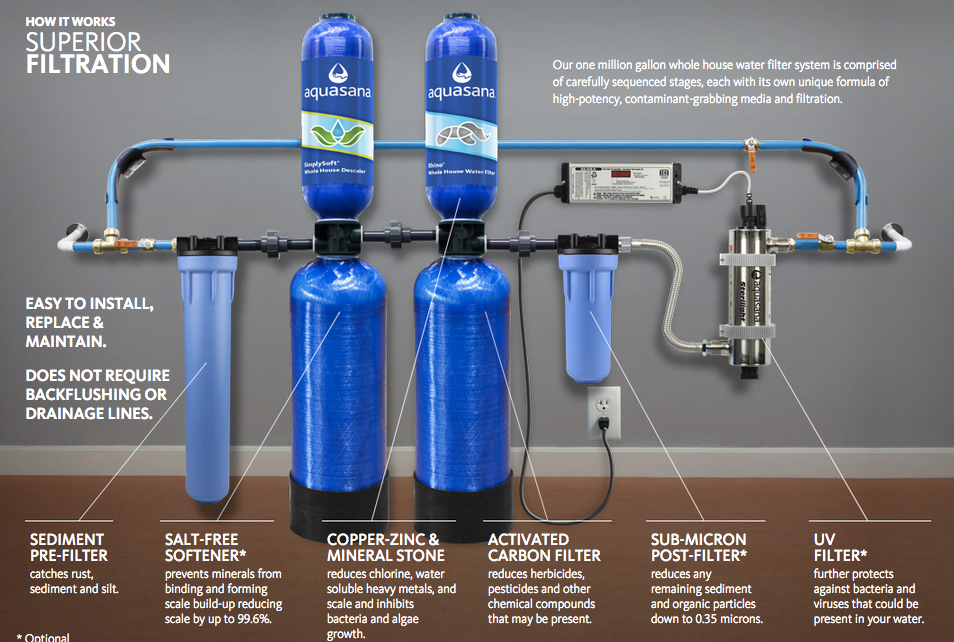
Aquasana is the weird cousin: they use a carbon block prefilter that’s so fine it can remove microplastics. Yes, even the tiny plastic bits from your neighbor’s yoga pants. It’s like a bouncer with a magnifying glass. And they’re certified by NSF (that’s the gold star for water nerds).
 Best Whole House Water Softener And Filter System For Well Water at
The “Tank” Myth You Need to Ignore
You might hear people say, “Just get a giant tank and forget about it.” Lie. A single tank of carbon will clog from sediment faster than a clogged artery from a cheeseburger diet. You need multiple stages—like layers in a parfait, but for water. Pro tip: always install a spin-down sediment filter first. It’s a little gadget that spins water in a cyclone to fling out sand. It’s like a mini tornado for dirt. And yes, watching it work is oddly satisfying.
Installation: A Comedy of Errors (Or Not)
Installing a whole house system is 10% plumbing, 90% cursing at pipes under the sink. But most systems come with a “dumb” diagram that even your dog could follow. You’ll need to cut copper or PVC, but the internet has videos of 12-year-olds doing it. If you’re at all nervous, call a plumber—it’s cheaper than flooding your basement and explaining to your spouse why the water bill now includes a kayak.
:max_bytes(150000):strip_icc()/aquasana-whole-house-well-water-filter-system-68651cbaa66a4921b287057afec93edf.jpg) The 8 Best Whole House Water Filters of 2024 to Improve Your Water Quality
The 8 Best Whole House Water Filters of 2024 to Improve Your Water Quality
The Surprising Fact That’ll Make You Tell Your Friends
Ready? Well water has a higher mineral content than bottled water—but also higher lead, pesticides, and even radon. Yes, radon gas can dissolve into your water and then escape into your air. A whole house system with a carbon block filter reduces radon by 99%. So basically, you’re not just getting clean water—you’re getting a lung insurance policy. That’s a solid party fact.
Final Advice: Don’t Be a Hero
Stop mourning the days of “free” city water. Embrace the hunt, test your water first (a $20 kit from Home Depot saves you from buying the wrong system), and then pick one of the big three mentioned above. Your dishwasher will stop looking like a Jackson Pollock painting, and your skin will thank you by not flaking off like a snake’s. And you’ll finally get to enjoy a glass of water that tastes like water, not regret.
So go ahead. Spend that money on a good system. Your well water has been a rebel, but now it’s time to tame the beast—with a filter, a smile, and one less egg smell in the shower. Your future self (and your hair) will high-five you.
