Best Water Conditioning System

So, picture this: I’m at my cousin’s place last summer, and I take a sip of water from his tap. It tastes like someone dissolved a handful of pennies and a rusty nail in a pud...
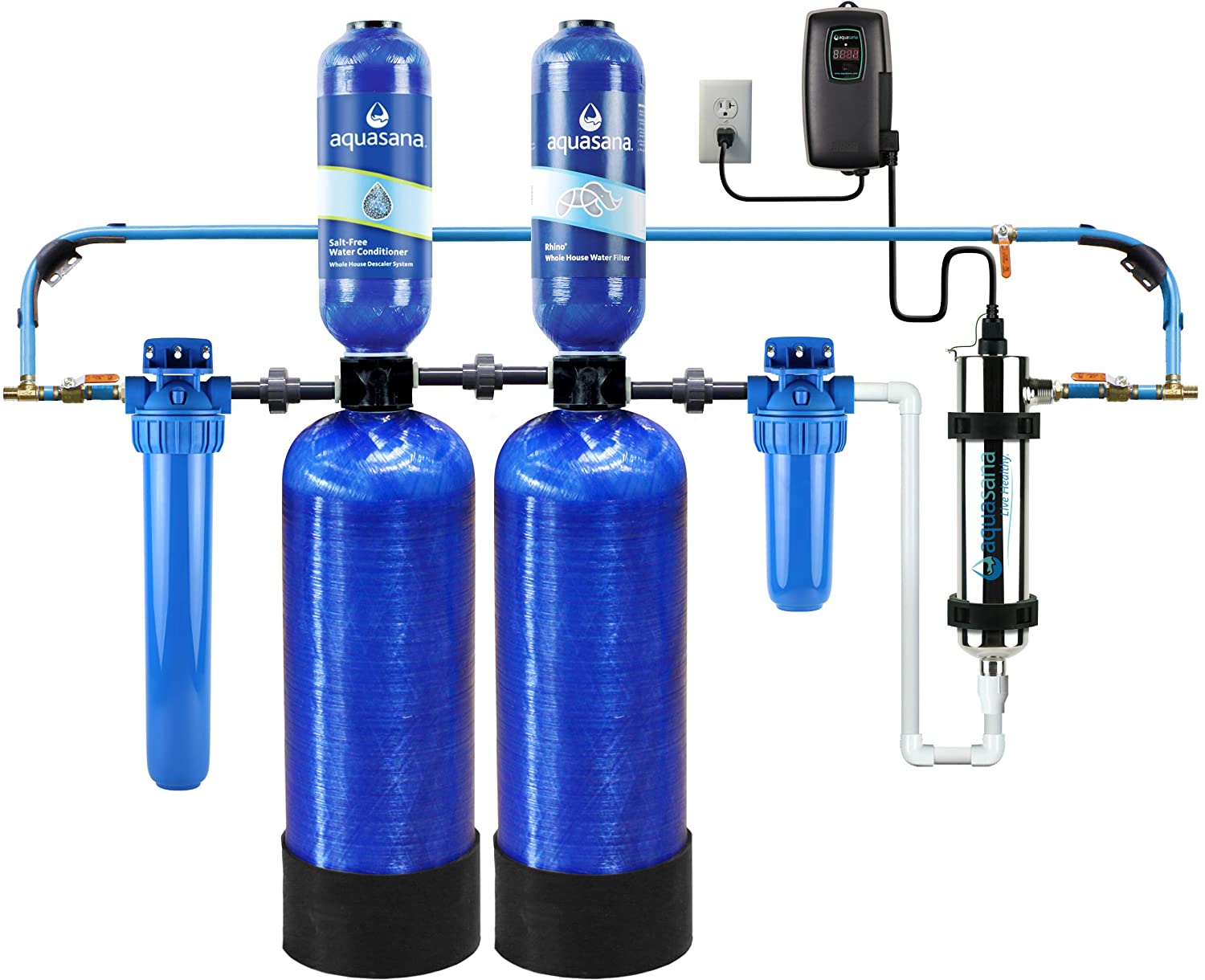
So, picture this: I’m at my cousin’s place last summer, and I take a sip of water from his tap. It tastes like someone dissolved a handful of pennies and a rusty nail in a puddle—honestly, gross. He shrugs and says, “That’s just the neighborhood.” But then he points to a sleek, white box under his sink and grins like he’s hiding a magic wand. “That,” he says, “is my water conditioning system—best thing I’ve ever bought.” And just like that, I was hooked (pun totally intended).
You see, that little box—or sometimes a big tank—isn’t just a gadget. It’s the unsung hero of your kitchen, bathroom, and laundry room. Hard water, with its mineral buildup and weird taste, is like that annoying friend who overstays their welcome. A water conditioning system kicks that friend out, making your water silky and your appliances last longer.
What Even is "Water Conditioning"? (And Why Should You Care?)
Hold up—let’s clear the air. Water conditioning isn’t exactly the same as water softening, though people use the terms like they’re twins. Softening removes calcium and magnesium (the culprits behind scale), while conditioning can also filter out chlorine, sediment, and even some bacteria. Fancy, right?
Must Read
If you’ve ever scrubbed a showerhead white with mineral deposits or felt your skin itch after a shower, you’ve met hard water. Conditioning fixes that by swapping those hard minerals for sodium or potassium, or by using a salt-free process to neutralize them. It’s like giving your pipes a spa day.
And here’s the kicker: your soap works better, your hair feels softer, and your coffee tastes less like a chemistry experiment. (Seriously, try making coffee with conditioned water—you’ll never go back.)
 5 Best Whole House Water Filtration Systems - Wits Engineer
Salt-Based vs. Salt-Free: The Great Debate
Okay, let’s get real for a second. Salt-based systems (the classic water softener) are the workhorses of the industry. They use ion exchange to yank out minerals, and they’re amazing if you have crazy hard water. But they do add a tiny bit of sodium to your water—so if you’re on a low-salt diet, that might bug you.
Salt-free systems, though? They don’t remove minerals; they condition them by changing their structure so they can’t cling to pipes. Less waste, no salt, and you keep those healthy minerals. It’s like the hipster cousin of water treatment—eco-friendly and low-maintenance, but not as powerful on super-hard water.
My cousin went with a salt-based system because his water hardness was off the charts. But for city folks with moderate water, salt-free is a solid bet. (Your call, but don’t forget to check your local water report—it’s like a cheat sheet for your home.)
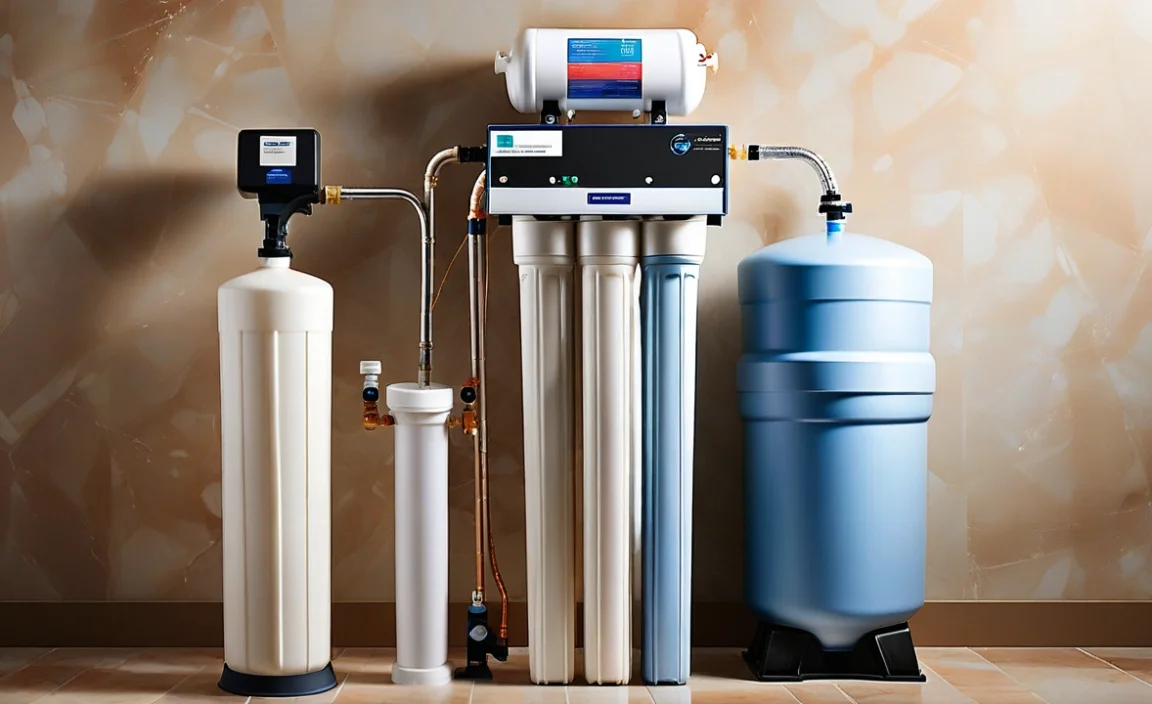 Best Whole House Water Softener System? Top Picks!
What About Whole-Home vs. Point-of-Use?
You’ve got two main flavors: a whole-home system that treats every tap, or a smaller unit for just one sink or shower. Whole-home is the luxury option—it protects your pipes, water heater, and dishwasher all at once. Point-of-use is cheaper and perfect if you’re renting or only care about drinking water.
I’ll be honest: I almost bought a countertop filter once, thinking it was enough. Then I saw the calcium scale on my kettle after two weeks. Nope. A whole-home system is a bigger investment, but it pays for itself in fewer repairs and better-tasting everything.
If you’re on a budget, start with a point-of-use system for your kitchen sink. But if you can swing it, go big—your washing machine will thank you. (And your skin will too—no more dry winter itch!)
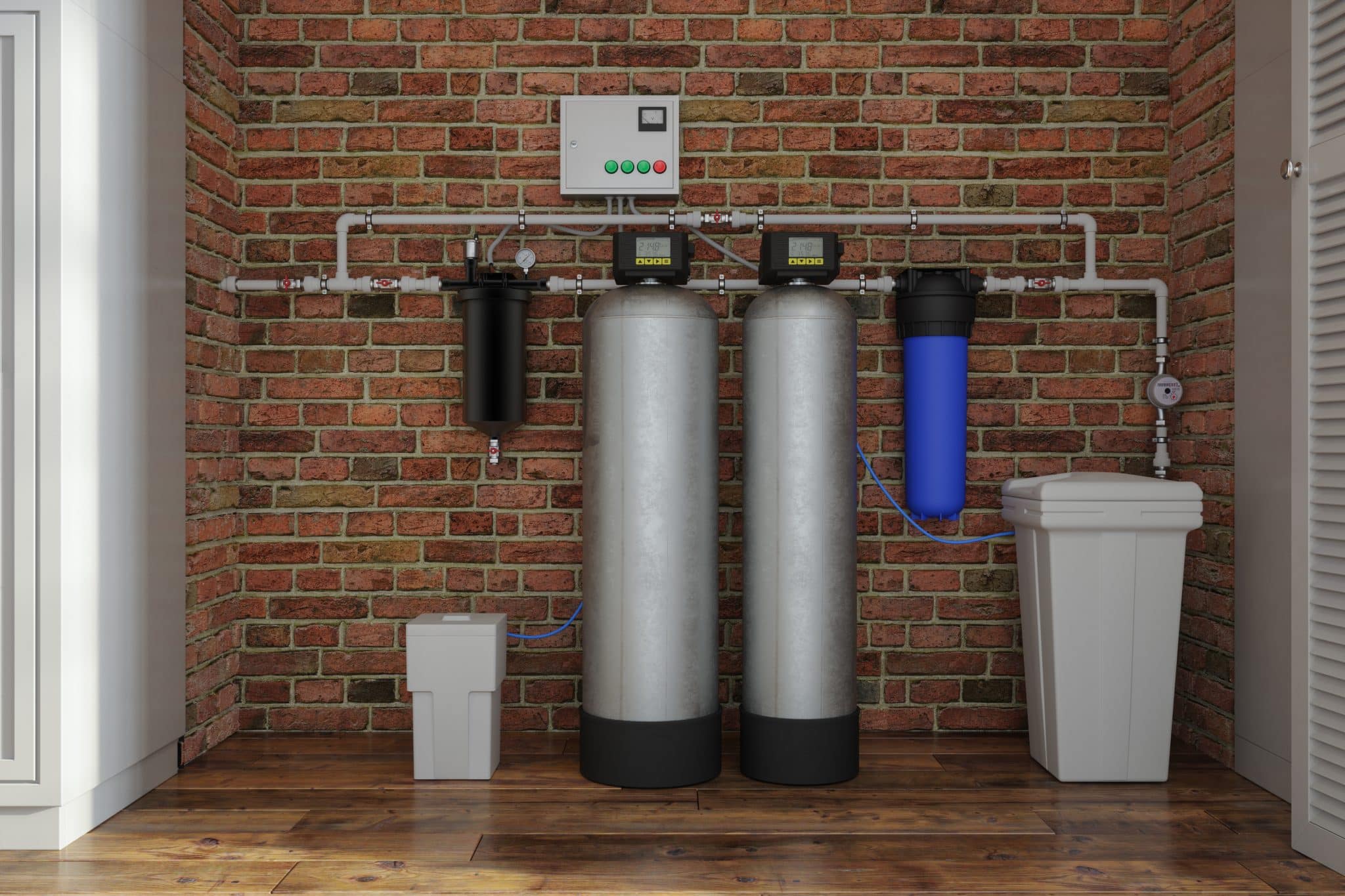 Types of Water Conditioning Systems: Choosing the Right One for Your Home
The "Best" System? It Depends on You—Sorry, No Magic Bullet
I wish I could point you to one perfect brand and call it a day. But the "best" water conditioning system is the one that fits your water’s chemistry and your lifestyle. Test your water first—a simple $10 kit or a free test from a local company tells you everything. High iron? You need a system with a sediment filter. Lots of chlorine? Carbon filters are your friend.
For most homes, I’d recommend a hybrid system: a salt-based softener combined with a carbon filter. Companies like Aquasure or iSpring make reliable models that won’t break the bank. But if you’re savvy, a salt-free system like the Pelican NaturSoft is quiet, efficient, and requires zero electricity—whisper quiet like a ninja in your basement.
And hey, don’t overlook maintenance. Salt systems need to refill salt every month (it’s cheap, but you have to lug those bags). Salt-free systems need filter replacements every few years. What’s your tolerance for chores? (Be honest—nobody enjoys schlep.)
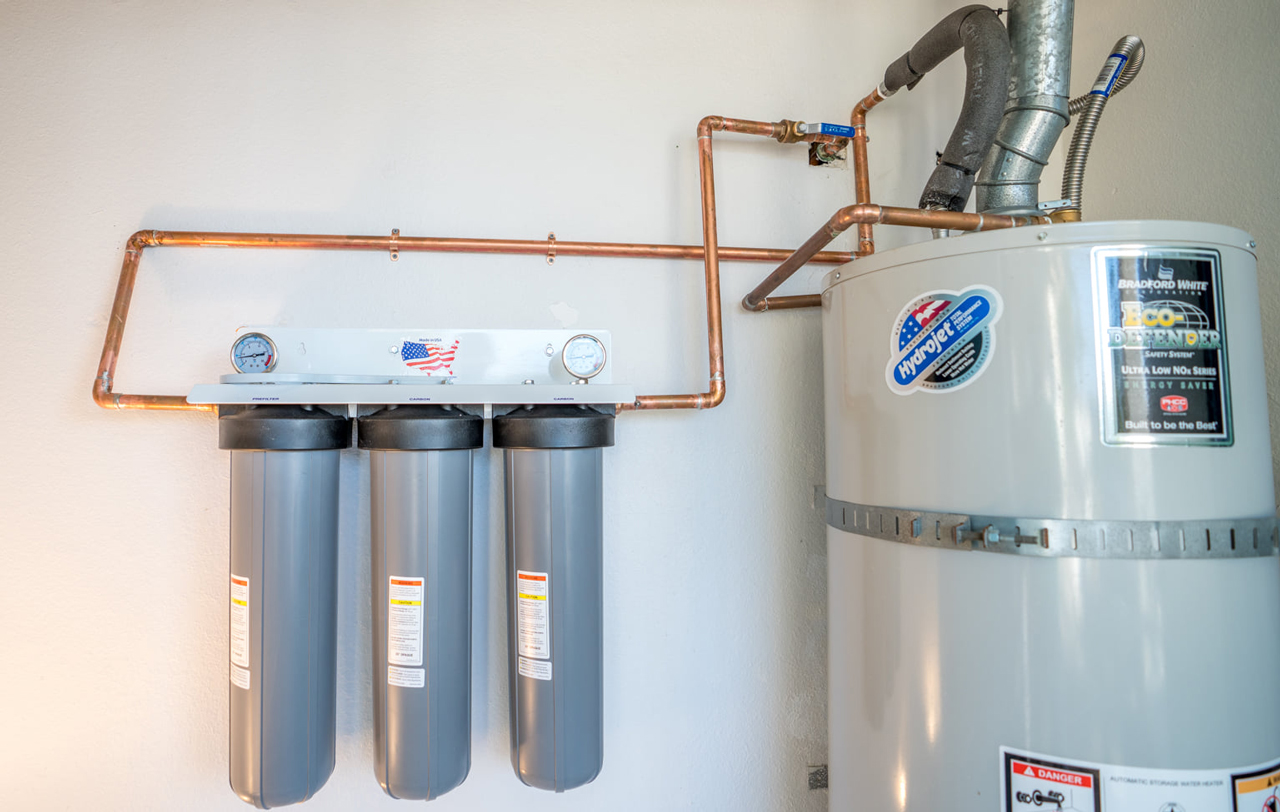 How To Buy A Water Softener System at Ben Lackey blog
A Final, Ironic Twist
Here’s the thing: after all that research, I installed a whole-home system myself last winter. The first sip of water from my tap? It was perfect. Clean, crisp, no metal aftertaste. My morning coffee finally tasted like coffee, not a science experiment. But you know what got me the most? The shower—I stood there feeling like I was rinsing off in a mountain spring, no itchy residue.
So, yeah, I’m a convert. But I’ll leave you with one ironic thought: once you get conditioned water, you’ll become a total snob. You’ll start complaining about tap water at restaurants, and your friends will think you’ve lost it. Don’t say I didn’t warn you.
Go test your water, pick your system, and enjoy that silky, scale-free life. Your pipes—and your taste buds—will be forever grateful.
