13-14 Margaret Street W1w 8rn London

So, there I was, wandering around London's West End, trying to find this one particular street that's been on my mind. I'd heard so much about it, but I couldn't quite put my...

So, there I was, wandering around London's West End, trying to find this one particular street that's been on my mind. I'd heard so much about it, but I couldn't quite put my finger on why it was so special. Then, as I turned a corner, there it was - Margaret Street, W1W 8RN, just waiting to share its stories. Isn't it funny how some places just have that certain je ne sais quoi?
Now, you might be thinking, "What's so special about Margaret Street? It's just another London street." Well, my curious friend, let me tell you, this isn't just any street. It's a little slice of history, a hub of creativity, and a testament to the city's ever-evolving architectural landscape. So, let's dive in, shall we?
Once Upon a Time in Fitzrovia
Imagine, if you will, the 18th century. The area we now know as Fitzrovia was a rural village, complete with fields and farms. Then, along came the big city, and by the early 19th century, it was all change. Margaret Street was born, named after the wife of the then Lord Mayor of London, Sir William Curtis. Fancy that, a whole street named after a lady. I like to think she was a bit of a trailblazer, paving the way for future powerful women. But I digress.
Must Read
Fast forward to the mid-19th century, and along comes another notable figure, Charles Dickens. Yep, that Charles Dickens. He lived at number 48 from 1839 to 1839 (yes, that's right, just one year). It's said that he wrote some of his works, including "The Life and Adventures of Nicholas Nickleby," while living here. Can you imagine the great man himself, quill in hand, pouring out his literary genius? I can't help but wonder if any of the street's current residents are inspired by their famous predecessor.
Architecture: A Love Letter to the Past
Now, let's talk about the buildings. Margaret Street is a bit of an architectural goldmine, with a mix of styles that'll make your inner history buff swoon. There's the Queen Anne Revival style, the Baroque, and even a touch of Art Deco. It's like walking through an open-air museum, isn't it? My personal favorite is the Architects' Journal building at number 32. It's a stunning example of Art Deco, with its geometric patterns and bold, clean lines. It's like a love letter to the past, standing tall amidst the modern world.
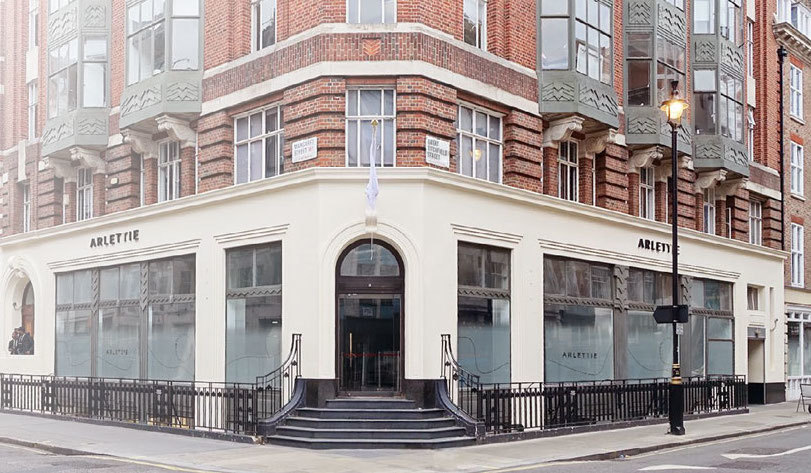 Hire 13-14 Margaret Street | VenueScanner
And speaking of modern, let's not forget the street's more recent history. In the 1980s and 90s, Margaret Street became a hub for the creative industries. Design studios, advertising agencies, and media companies all called it home. It's a testament to the city's ability to evolve and adapt, isn't it? From rural village to literary hotspot to creative hub, Margaret Street has worn many hats over the centuries.
Present Day: A Street of Many Faces
So, what's Margaret Street like today? Well, it's a bit of a melting pot, really. You've got your old-timers, like the British Medical Association building at number 1, which has been there since 1925. Then there are the newer additions, like the sleek, modern offices that have popped up in recent years. And let's not forget the restaurants and cafes, adding a touch of culinary flair to the street. It's a fascinating mix, isn't it?
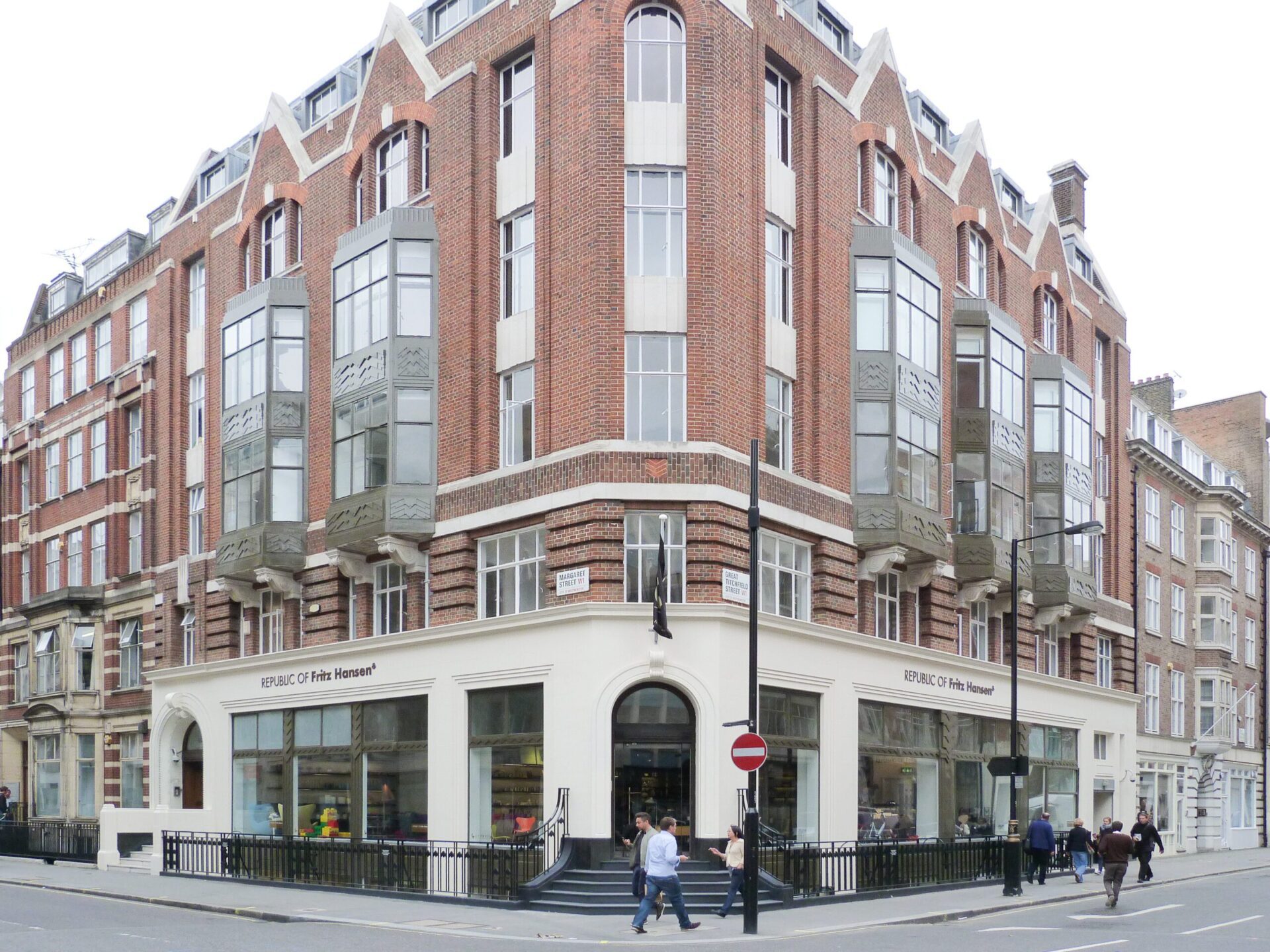 13-14 Margaret St, Central London, W1W 8RN - The Langham Estate
But perhaps the most fascinating thing about Margaret Street is its people. There's a real sense of community here, a feeling that everyone knows everyone. I mean, I've only been here a short while, but already I feel like I've made a few friends. It's that kind of place, you know? The sort of street where you can stop for a chat with a stranger and end up learning something new. Isn't that what makes a place truly special?
So, there you have it, my friends. Margaret Street, W1W 8RN - a little slice of history, a hub of creativity, and a testament to the city's ever-evolving architectural landscape. It's more than just a street, isn't it? It's a story, a community, a living, breathing part of London's rich tapestry. And I, for one, am glad I found it.
