Can I Use Pool Salt In My Water Softener

So, you’re staring at a bag of pool salt and wondering if you can dump it into your water softener. I get it. We’ve all been there, trying to save a few bucks or use up what’s...
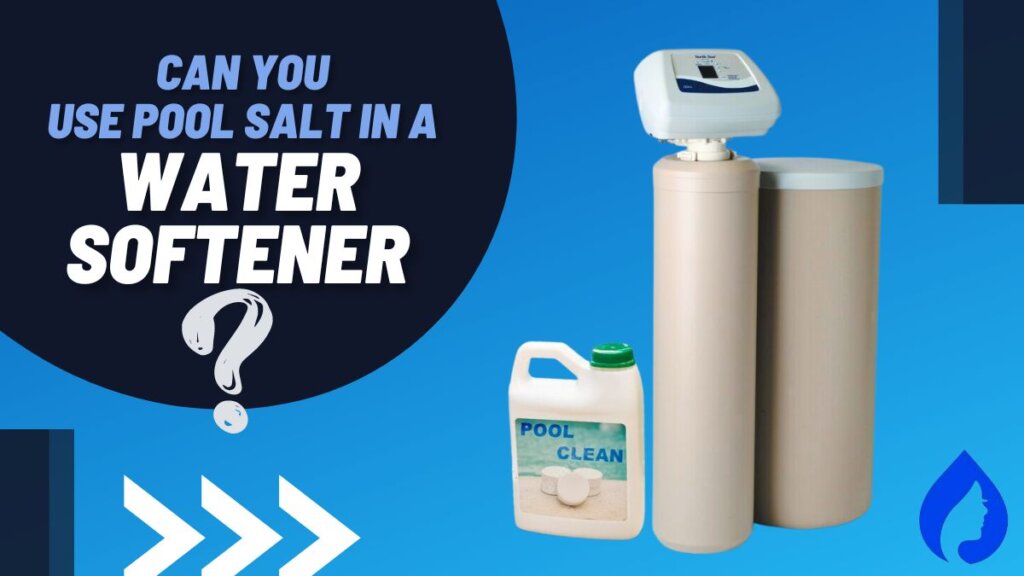
So, you’re staring at a bag of pool salt and wondering if you can dump it into your water softener. I get it. We’ve all been there, trying to save a few bucks or use up what’s lying around. It feels like a genius hack, right? Almost too good to be true.
Well, grab your coffee. Let’s chat about this like two friends who’ve made questionable home-owner decisions before. Spoiler: your pool salt might work, but you’ll probably regret it. And regret is expensive.
First, let’s talk about what’s actually inside those bags
Pool salt and water softener salt look nearly identical. They’re both mostly sodium chloride—basically, fancy salt. But here’s the kicker: pool salt is often less pure.
Must Read
It’s made to dissolve in a big pool, not a tiny, sensitive water softener tank. Manufacturers add anti-caking agents or other junk to pool salt so it doesn’t clump in your backyard. Those additives? Your water softener hates them.
What happens when you mix them? (Spoiler: a sticky mess)
Imagine pouring a bag of pool salt into your softener. The first few days? Totally fine. You’ll feel smug, maybe even text a friend about your life hack. Then, slowly, you notice a sludge building up at the bottom of the brine tank.
That sludge is the insoluble stuff from the pool salt—dirt, calcium, and mystery chemicals. It turns your softener into a sticky, slow-moving disaster. Your once-soft water starts feeling weird. And your appliance starts making sounds like a dying robot.
You’ll spend more on repairs than you saved on salt. Classic penny-wise, pound-foolish. I’ve done it. It hurts.
But wait—isn’t pool salt just “evaporated” salt?
Yes, pool salt is often made from evaporated seawater. But so is table salt, and you wouldn’t pour a box of Morton’s into your softener, right? The difference is purity and particle size.
Water softener salt is specifically graded to dissolve evenly and leave zero residue. Pool salt? It’s graded for “good enough” in a 20,000-gallon pool. Your softener tank is maybe 1/50th of that. Tiny spaces, big problems.
And here’s a fun fact: some pool salt contains copper or other algaecides. That’s great for keeping your pool green-free. It’s terrible for your pipes and your drinking water. You don’t want to bathe in a pool chemical, do you? No thanks.
Okay, but what if you’re really in a pinch?
Look, I’m not here to judge. Maybe you’re snowed in, the store is closed, and your water is hard as concrete. You’ve got a bag of pool salt in the garage. Should you use it? Yes, but only once.
If you do, use the highest quality pool salt you can find—look for “99.9% pure” and no additives. Then, after it’s used up, clean your brine tank immediately. Like, within a week. That sludge won’t wait.
But seriously, just buy the right stuff. It’s like using a Swiss Army knife to open a can of soda—it works, but you look silly and risk cutting yourself. Your softener is a gentle soul. Treat it kindly.
 Can You Put Pool Salt In Water Softener at Casey Hall blog
The real cost of cheaping out
Water softener salt is maybe $6 to $10 a bag. Pool salt? About $4 to $5. You’re saving a whopping two bucks. For two bucks, you’re gambling with a machine that costs $500 to $1,500 to replace.
I did the math once while doing laundry with sad, scratchy towels. The math was not in my favor. Your softener’s resin beads—the little magic beans that remove hardness—can get coated in pool salt gunk. Once they’re coated, they stop working. Then you’re buying a new softener.
Is it worth it for the price of a fancy latte? Nope. Your coffee habit is cheaper than this mistake.
What’s the actual difference in the store?
Next time you’re at the hardware store, look at the pool salt bag. It’ll say “for pools only” in tiny, apologetic letters. The water softener salt will scream “softener salt” like a proud parent. Trust the screaming.
Pool salt is often rock salt or solar salt. Softener salt comes in pellets, crystals, or blocks designed to not bridge or mush up. That’s science, not marketing. And science is stubborn.
Also, water softener salt often has a special coating to make it dissolve slower and cleaner. Pool salt? It’s a free-for-all. It dissolves fast, leaves bits, and laughs at your warranty.
The final verdict (from a friend who’s been burned)
Can you use pool salt in your water softener? Technically, yes. Should you? No, no, a thousand times no. Unless you enjoy scrubbing sludge out of a tank while questioning your life choices.
Think of it like using dish soap in a dishwasher. Sure, you can. But then you’re cleaning up foam from the kitchen floor, and your glasses are cloudy. Same vibe. Pool salt is a party guest—it leaves a mess.
So keep your pool salt for the pool. Keep your softener salt for the softener. They’re not soulmates. They’re distant cousins who argue at family reunions. Your water softener deserves better. And so do your towels.
Now go drink some soft water, you magnificent bargain-hunter. Just not with pool salt.
